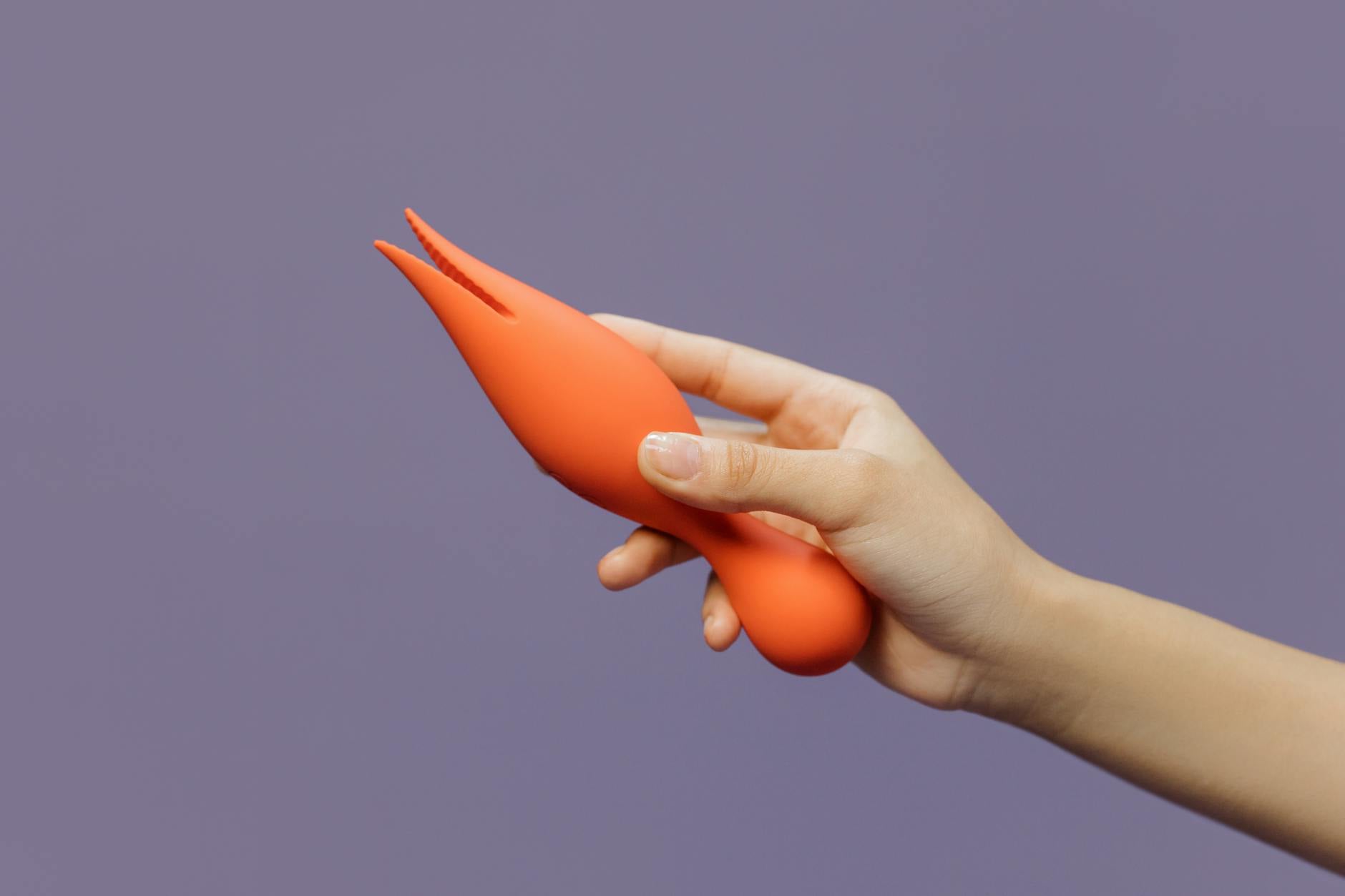
Why Lemon Vibrators Work Better for Rebuilding Pleasure After Long-Term Relationships
The honest part about long-term pleasure
Let's be real. After ten, fifteen, twenty years with the same person, pleasure stops feeling like discovery. It becomes logistics. You know exactly what works, which means you also know exactly what's missing. And instead of exploring, you both kind of settle into the rhythm that exists.
That's not failure. That's what happens to most long-term partnerships. But it doesn't have to be permanent.
Why pleasure goes flat (and it's not what you think)
Here's what research actually shows about long-term couples and sexual satisfaction. The physical machinery still works fine. Arousal capacity doesn't decline just because you've been with someone for decades. What changes is mental attention.
When pleasure is new, your brain floods the experience with novelty chemicals. Dopamine spikes. You notice every sensation. After years, that novelty wears off, and your nervous system stops treating the experience like something worth full attention. You're thinking about tomorrow's meeting, whether the kids need lunch money, what to make for dinner. Your body's present, but your mind is halfway across town.
The second part? Habituation to a partner's touch. The same rhythm, the same pressure, the same timing works for efficiency, not for expansion. Your nervous system learns the script and stops paying attention to what's actually happening.
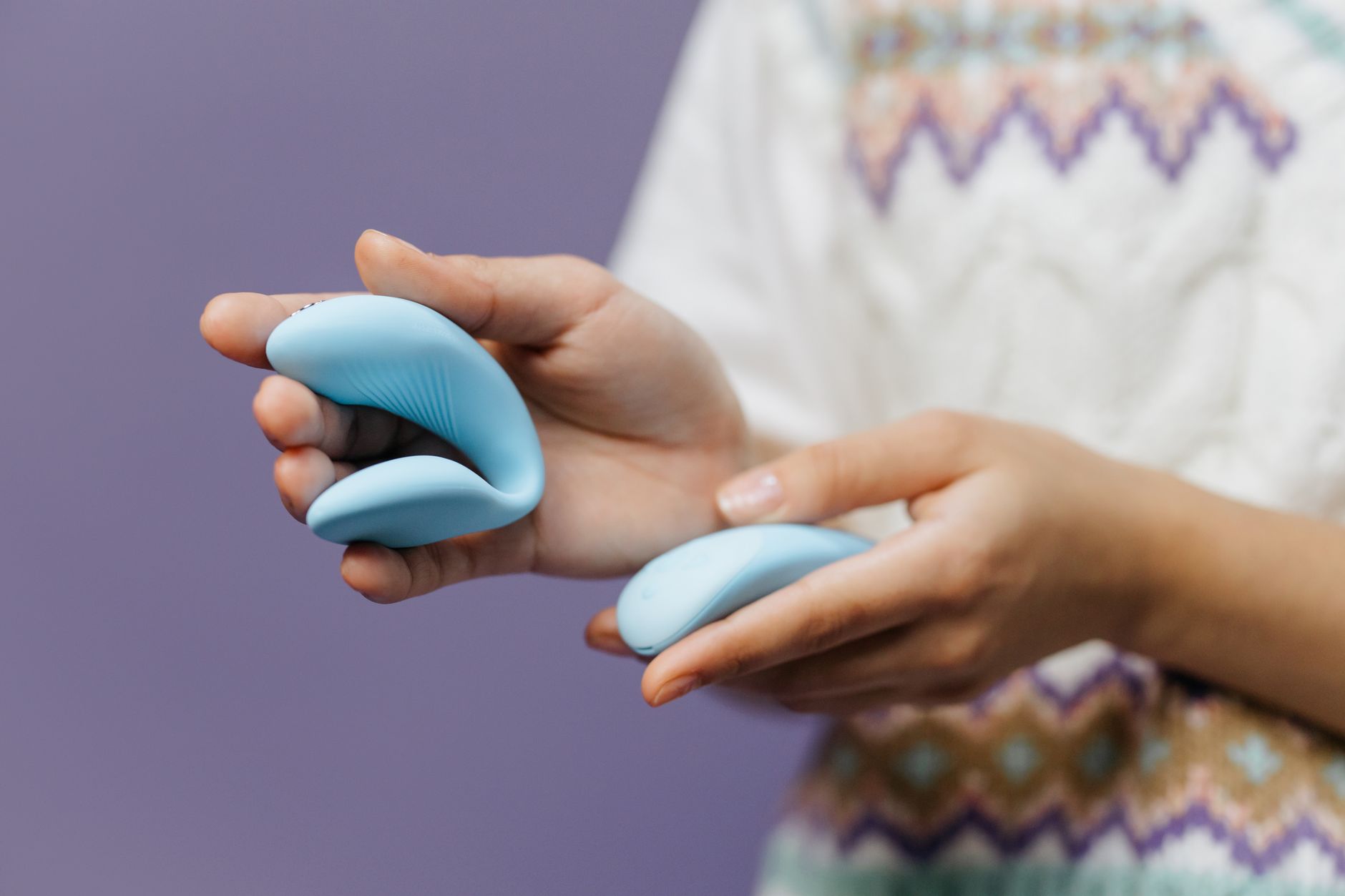
Photo by cottonbro studio on Pexels
Why lemon clitoral vibrators break the pattern
This is where lemon vibrators enter the conversation. A lemon clitoral vibrator is not a replacement for your partner. It's a reset button for your nervous system.
The sensation is different. Air-pulse technology like what you get with the Lem feels nothing like a hand or fingers. It creates a novel stimulation pattern that your brain can't autopilot through. You have to pay attention, because the sensation is unfamiliar. That forces your nervous system back into the present moment.
This matters because solo pleasure with a lemon vibrator becomes a conversation with yourself. Not in a spiritual sense. In a practical one. You're exploring what intensity you actually want. What rhythm makes you lose your mind. How long you can stay in sensation without thinking about logistics. When you bring that clarity back to partnered sex, you have actual information to work with instead of just "whatever we've always done."
The physical mechanics of reconnection
Lemon adult toys work differently than partnered touch. The clitoral vibrator uses suction and pulsing to stimulate rather than friction. This matters when you're rebuilding sensation after years of routine, because it wakes up nerve endings that may have become desensitized to predictable touch.
When you use a lemon vibrator solo first, you're essentially running a sensory diagnostic. You're finding out which patterns create the most intense response. Which settings make your body sit up and pay attention. Where your clitoris is most sensitive. Most long-term partners never have that information because they're working off years of accumulated guessing.
Then, once you know what you actually respond to, you have something concrete to communicate. "This pressure feels amazing" or "I want it slower here" becomes possible because you have a physical reference point.
The permission piece (often overlooked)
Here's what I notice in my practice with couples in their 40s and beyond. After years of prioritizing partnership sex, solo pleasure often feels selfish. Like you're supposed to want connection with your partner above anything else.
But pleasure isn't a zero-sum game. Using a lemon sexual toy alone doesn't dilute what you share with your partner. It actually does the opposite. It gives you agency over your own sensation. It reminds your nervous system what pleasure actually feels like when it's not negotiated or compromised or timed around someone else's needs.
That agency is magnetic. When you're not performing pleasure for your partner, when you're just exploring what makes you feel alive, that confidence shows up in the bedroom. You stop waiting for them to make you feel good and start knowing what good feels like. That changes everything.
How to use lemon vibrators to rebuild partnership pleasure
Start solo. Spend 2-3 weeks exploring a lemon vibrator by yourself without the expectation of orgasm. Different settings. Different speeds. Different amounts of time. Pay attention to what your body actually wants, not what you think it should want.
Then, talk to your partner about what you learned. Not as criticism of what wasn't working before. As information. "I realized I really like this pattern," or "I had no idea my sensitivity changed here." This is vulnerable information, and it matters.
Bring the vibrator into partnered sex if you want to. Or don't. The point isn't necessarily to use it together. The point is that you now have sensation data you can work with. You can guide your partner toward what actually lights you up instead of hoping they stumble into it.
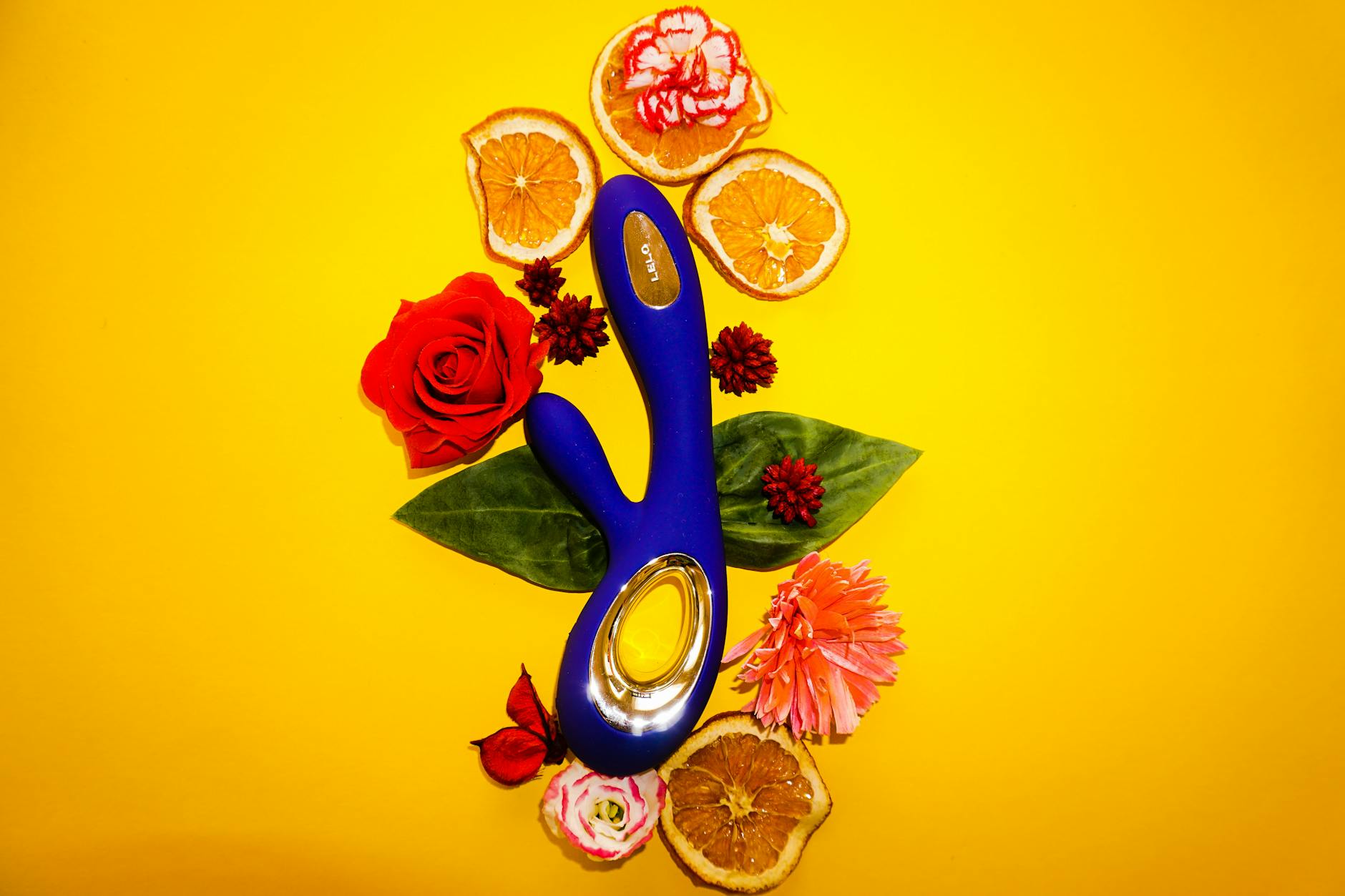
Photo by FounderTips on Pexels
Why novelty matters (even in committed relationships)
One of the biggest myths about long-term relationships is that novelty dies. Your partner will always be your partner. But novelty doesn't have to mean a different person. It can mean different sensations, different contexts, different ways of paying attention to pleasure.
A lemon clitoral vibrator introduces novelty in the safest possible way. You control it. You use it when you want. It doesn't threaten the partnership. It actually strengthens it because you're both getting more connected to what creates real pleasure instead of just maintaining routine.
Research on long-term couples shows that couples who maintain pleasure often do it by introducing variation intentionally. Not because their primary relationship is lacking, but because human nervous systems crave novelty. We're wired to stop paying attention to things that don't change. A lemon vibrator changes the sensation landscape consistently.
Addressing the guilt (because it comes up)
Many people feel weird about using a clitoral vibrator when they're in a long-term relationship. Like it signals that their partner isn't enough. I want to be direct about this. That's not how bodies work.
Your partner's touch will never recreate the exact sensation of an air-pulse lemon vibrator. That's not because their hands are inferior. It's because they're hands. A vibrator creates a different stimulus. That stimulus can help your nervous system wake up. Once it's awake, your sensitivity to your partner often increases, not decreases.
This is particularly true if arousal takes longer to build for you after years together. A lemon vibrator can help you get to that threshold faster when you're solo, which means less frustration in partnered situations. It's a practical tool, not a replacement.
The conversation you actually need to have
After 10-15 years, most couples haven't explicitly talked about pleasure. You've fallen into patterns that work "well enough," and talking about wanting something different feels risky. What if your partner takes it personally? What if it breaks the rhythm that's been holding you together?
But avoidance creates distance. And distance is what kills pleasure in long-term relationships, not time or age or familiarity.
Using a lemon vibrator solo gives you a concrete reason to have that conversation. You're not criticizing what existed before. You're sharing something new you discovered about yourself. "I've been exploring and found that I really respond to this rhythm," is such a different conversation than "you haven't been doing it right."
Most partners are relieved to have that information. Most people want their long-term partner to feel good. They just often don't know what "good" actually looks like because they've never been told.
The long view
Pleasure doesn't have an expiration date. Your capacity for sensation, for intensity, for connection doesn't decline after a decade or two. What often happens is that attention declines. Novelty becomes routine. But those aren't permanent conditions. They're patterns that can shift.
A lemon vibrator is a tool for shifting them. For reminding your nervous system what pleasure feels like. For gathering information about what your body actually responds to. For building agency around your own sensation. And then, for bringing that information back into partnership in a way that strengthens rather than threatens it.
The best long-term relationships aren't the ones where nothing ever changes. They're the ones where couples are willing to keep exploring, together and separately, and then bring what they learn back to each other.
People also ask
Is using a lemon vibrator alone bad for my long-term relationship?
No. Solo pleasure often strengthens partnerships because you develop clarity about what you actually want. When you know what feels good to your body, you can communicate that to your partner, which usually improves partnered sex. The couples I work with who struggle most are often the ones avoiding solo exploration because of guilt. The couples who thrive are the ones comfortable with both.
How long does it take to reconnect with pleasure using a lemon clitoral vibrator?
That depends on how disconnected you are. Some people notice a shift in a few sessions. Others need 2-3 weeks of consistent exploration. The timeline matters less than consistency. Use it when you're curious, not as a chore. The goal is to rebuild awareness of sensation, not to achieve a specific outcome.
Can I use a lemon vibrator with my partner after using it solo?
Absolutely. Many couples eventually do this. But I recommend starting solo first so you know what you're working with. Once you understand your own response, bringing it into partnered sex is straightforward. It's just another source of stimulation, like hands or fingers.
What if my partner feels threatened by me using a lemon vibrator?
That usually comes from insecurity, not reason. Have an explicit conversation. "This is helping me reconnect with my own pleasure. It's not about you being inadequate. It's about me learning what I respond to so I can bring that back to us." Most partners appreciate knowing they have a partner who's interested in their own pleasure. If the conversation doesn't go well, that's useful information about what else might be happening in the relationship.
Do I need to tell my partner I'm using a lemon vibrator?
That depends on your relationship dynamic. Some couples are private about solo pleasure and that's fine. Others share everything. The key is that you're not hiding it from guilt. You're keeping it private because that's how you prefer your solo intimacy. There's a big difference.
Will using a lemon vibrator change how I respond to my partner's touch?
Yes, usually in positive ways. You'll likely become more aware of what you actually want versus what you've been settling for. You'll notice sensation more. You'll have clearer preferences. All of that makes partnered sex more interesting and responsive, not less.
Next steps
If pleasure has gone flat in your long-term relationship, exploring with a lemon vibrator is one concrete way to reconnect. But exploration only works if you're willing to follow the information it gives you. If you discover you want something different, you have to communicate that. If you find you need something outside the relationship, that's worth naming too.
Pleasure is conversation, not destination. The tool helps you listen to what your body is actually saying. Then you get to decide what to do with that information.
Ready to start exploring? Or do you have questions about how to navigate this with your partner? Get in touch.