Let's talk about the arousal slowdown nobody mentions
You used to get turned on in thirty seconds. A text, a touch, the right song. Now it takes twenty minutes of deliberate effort just to feel a flutter. You're not broken. You're not less interested. You're experiencing something so common that relationship therapists see it in nearly every couple who's been together past the three-year mark.
The science behind arousal slowdown is straightforward, but the emotional weight of it can feel confusing. When you don't understand why something's changing, it's easy to catastrophize: "Is the spark gone?" "Do I not want this anymore?" "Am I attracted to my partner?" None of those questions are usually the real issue.
Why arousal actually slows down
Three physiological and psychological factors shift over time.
First, novelty fades. Your brain stops registering your partner's presence as new information. Neurologically, repetition triggers habituation. The same stimulus that once lit up your reward pathways now gets filed under "expected." This isn't a relationship failure. It's your nervous system doing its job.
Second, daily stress stacks differently than it used to. Early relationships exist in a bubble. You make time, you're present, you're not juggling mortgages or work crises or family obligations. Ten years in, you've got all of those things running at once. Chronic low-level stress keeps your nervous system in a sympathetic state (fight-or-flight), which makes the parasympathetic state needed for arousal harder to access.
Third, you've built predictability. Sex happens on Saturday nights, or it follows a familiar rhythm. Predictability is good for security and terrible for desire. Your brain needs some element of surprise, some friction, some "I don't know exactly what's about to happen." When sex feels scheduled, your body doesn't mobilize the hormones and blood flow that arousal requires.
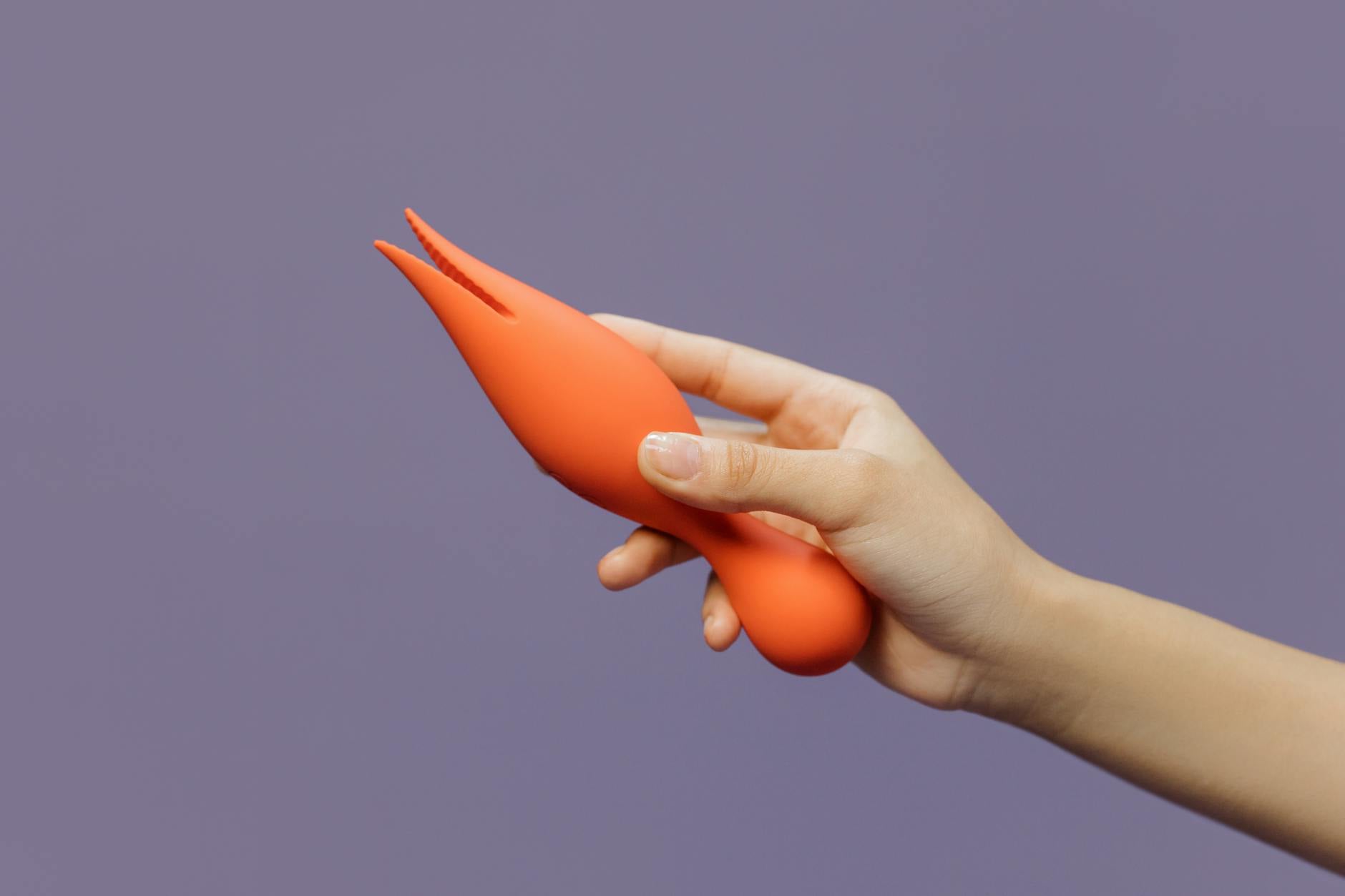
The good news: all three of these factors are responsive to change. And lemon clitoral vibrators like the lem vibrator work differently once you understand what's actually happening.
The real problem with ignoring arousal slowdown
Here's what I see in my practice: couples don't address the slowdown until resentment takes over. One partner feels rejected ("Why don't you want me?"). The other feels pressured ("I can't just flip a switch"). Then sex becomes something you're both dreading instead of something you're both wanting.
Arousal slowdown left unexamined becomes a story you tell yourself about the relationship. It becomes proof that the magic is gone. But magic isn't something that leaves. It's something you stop feeding.
How to rebuild arousal with intention
Start with the simplest intervention: disrupt the routine. If sex always happens in the same room at the same time with the same foreplay rhythm, change it. Move locations. Try a different time of day. Introduce a toy you've never used together. None of these changes are earth-shaking, but they all signal to your nervous system that something unexpected is happening.
Second, extend the timeline. If you're used to sex that lasts 20 minutes, build in an extra 10 minutes of foreplay where the goal isn't arousal. It's presence. No phones. No thinking about tomorrow. Just touch and attention. Arousal doesn't happen in a rush. It builds when your nervous system believes it's safe to slow down.
Third, use a lemon sucker vibrator intentionally. The lem vibrator is particularly useful during this phase because the suction mechanism means you don't need to wait for arousal to be "ready." You can start a session knowing that the specific stimulation will help your body catch up to your willingness. The suction technology works differently than traditional vibration. It meets your tissue where it is rather than demanding instant responsiveness. This removes the pressure that often blocks arousal in the first place.
When to introduce a tool like the lem vibrator
Timing matters. Don't introduce lemon sexual toys as a fix to a resentment problem. That doesn't work. But if you're both willing to rebuild arousal and you need a bridge between intention and actual desire, a clitoral vibrator is practical.
Here's how to introduce it without making it weird: frame it as something for you, not as a replacement for your partner. "I want to explore this together" beats "I need this to feel something." The lem vibrator isn't about inadequacy. It's about adding a dimension that makes arousal easier to access when your nervous system is running on fumes.
Start with external-only stimulation. Suction works best when you're already somewhat relaxed. Build in 15 minutes of what I call "grounding touch" first. That means a partner touching your non-sexual areas: your shoulders, your hair, your arms. Grounding touch signals safety to your nervous system. Once your body registers that you're safe, arousal becomes possible.
The conversation you actually need to have
Before you do anything with a lemon clitoral vibrator or any other tool, have this conversation with your partner: "Our arousal is slowing down. This is normal. We can either let it keep dropping, or we can be intentional about rebuilding it. I want to try."
That conversation does two things. One, it removes the shame. You're naming the real issue instead of letting it float around as an unspoken problem. Two, it requires your partner to actually sign on. You're not dragging anyone along. You're inviting them into a project together.
If your partner isn't willing to engage, a lemon vibrator won't fix that. But if you're both in, you've already done the hardest part.
The timeline for rebuilding arousal
Don't expect week one to feel like the beginning of your relationship. You're not trying to recreate that. You're building something different. Arousal in a mature relationship isn't as fast as early arousal, but it's often deeper.
Most couples notice a shift within 3-4 weeks of intentional practice. That means: consistent disruption of routine, protected time together without distractions, and if you're using tools like the lem vibrator, actually using them regularly.
By week 8, you'll know if this is working. Arousal will start to feel less like a project and more like a habit you've reestablished. The lem vibrator might stay in regular rotation, or you might find you need it less often once arousal patterns reset.
When you're with a new partner mid-slowdown
If you're rebuilding arousal with someone new while you're still recovering from a long-term relationship slowdown, lemon adult toys can actually smooth that transition. New partner energy is real, but if your nervous system is still guarded from the last relationship, you might not feel it as much as you expect.
Using a clitoral vibrator in front of a new partner communicates something important: "I'm present in my own pleasure." That presence is magnetic. It also removes the pressure of "perform arousal on command," which is the thing most likely to block it.
The myth you can stop believing
There's this narrative that passion naturally fades and you just accept it. That's half true. Intensity fades. But desire? Desire can deepen. The arousal that comes after you've done the work to rebuild it is less frantic and more grounded. It lasts longer. It feels more connected.
If you're in a relationship where arousal has slowed, you're not at the end of something. You're at a transition. How you move through it determines whether you land in resentment or in a rebuilt connection.
Lemon vibrators, lemon clitoral toys, and other tools are just practical support for the real work, which is always about intention, presence, and choosing each other over and over again.
People also ask
How long does it usually take for arousal to return to normal?
There's no "normal." But most couples report noticeable shifts within 3-4 weeks of intentional practice. That practice includes disrupting routine, extending foreplay time, and managing daily stress more actively. Some couples take 8-12 weeks to feel like arousal is flowing naturally again. The key is consistency, not perfection.
Can a lemon vibrator help if my partner doesn't know I'm using one?
Technically yes, but practically no. Arousal slowdown is a relationship issue, not an individual problem. If you're using a toy in secret because your partner wouldn't be comfortable, you're managing your own pleasure in isolation rather than rebuilding connection. The real work happens when both people are engaged. If your partner is resistant to toys, that's a separate conversation worth having.
What if we've tried new things and arousal still isn't building?
Then it might not be novelty or routine. It might be resentment, stress, or a medical issue like low testosterone or thyroid dysfunction. That's the point where you want professional support. A therapist can help you figure out if it's relational, physical, or both. Don't assume arousal slowdown is permanent without exploring what's actually driving it.
Is it normal for arousal to take 20-30 minutes now when it used to be instant?
Completely normal. Early relationships have a neurochemical boost from novelty and uncertainty. That boost fades. Once it does, arousal takes longer to build because your body isn't being flooded with new information. This is a sign of a mature relationship, not a broken one. The solution is intentionality, not panic.
Do lemon sexual toys work better than traditional vibrators for slow arousal?
They work differently. Suction stimulation feels less urgent than vibration, which can actually help if you're in a state of pressure or performance anxiety. Suction also tends to build sensation more gradually, which matches better with how arousal needs to feel when you're rebuilding it. But the tool matters less than the intention behind using it.
Should we see a therapist about our arousal slowdown?
If you've tried the intentional approaches above for 8-12 weeks and nothing's shifted, yes. Or if you can't talk about arousal slowdown without it becoming a conflict, definitely yes. A good relationship therapist can help you understand whether this is about routine, resentment, stress, or something else. That diagnosis changes the solution completely.
The bottom line
Arousal slowdown isn't the end of desire. It's a sign that your nervous system has adapted to safety and predictability. You can rebuild arousal by disrupting that safety with novelty, extending your timeline, and using tools like lemon clitoral vibrators to make the rebuild easier. But the real work is relational. It's about choosing to rebuild connection with intention and presence.
If you're struggling with this in your relationship, reach out for support. You don't have to figure this out alone. Contact my team and we can talk about next steps.