Let's talk about reclaiming pleasure
Trauma changes your relationship with your body. Not forever. But right now, it might feel like pleasure isn't yours anymore. That sensation you used to know, that ease with your own skin, that trust in what feels good. It was taken from you, or it tangled itself with pain, and now the idea of touching yourself with intention feels risky or impossible or both.
Here's what I know from years of working with survivors: pleasure is absolutely recoverable. And lemon vibrators, specifically, can be a surprisingly effective tool in that recovery because they give you something that trauma often steals: control.
Why control matters more than sensation
Trauma hijacks your autonomy. Someone else decided what happened to your body. That's the core injury. So the path back isn't about chasing intense sensation. It's about reclaiming decision-making over what your body experiences.
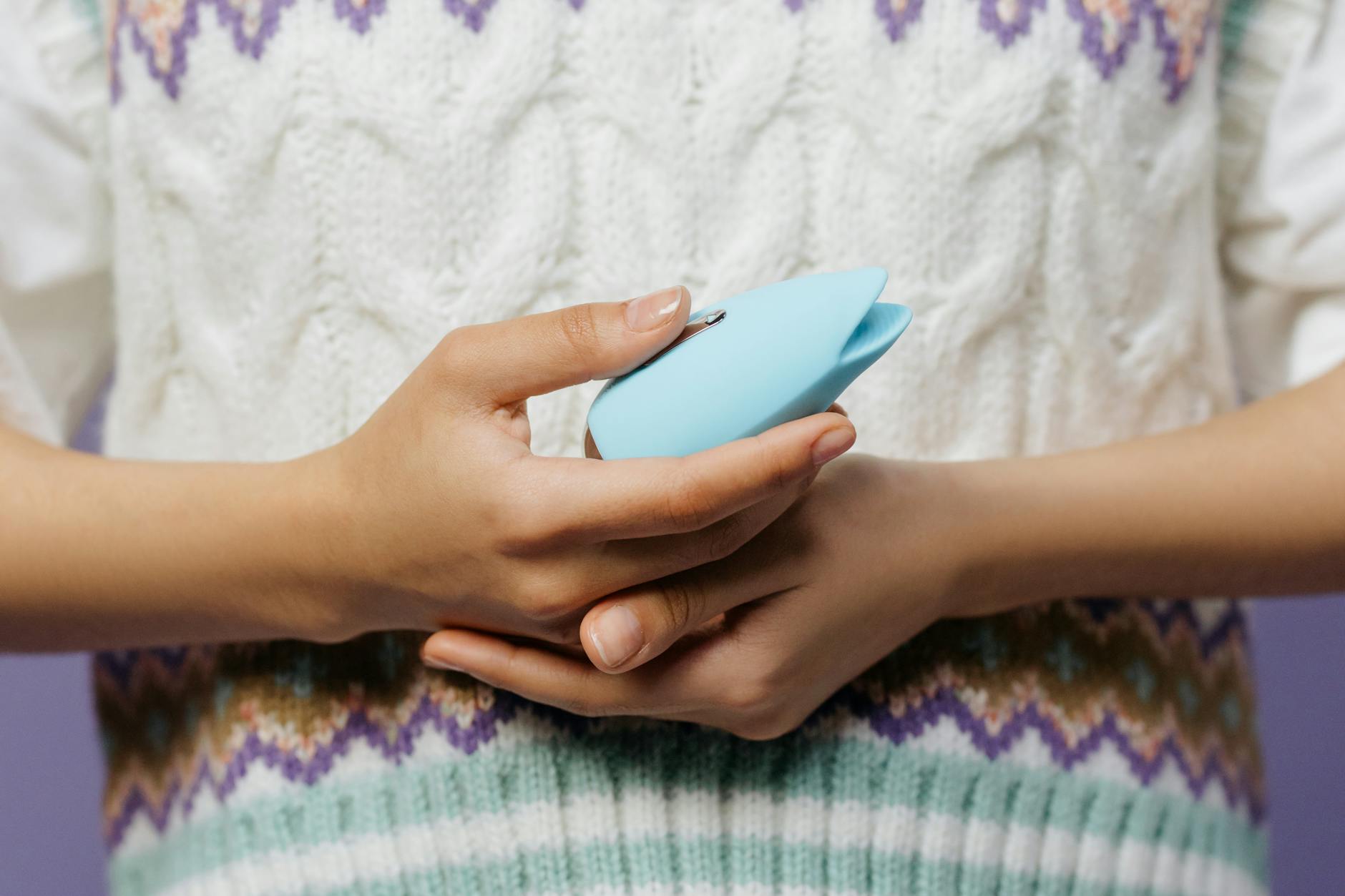
A lemon clitoral vibrator works differently than most toys. You hold it. You position it. You control the intensity and speed with your thumb. There's no insertion, no surprise, no pressure to perform or last a certain amount of time. Just you, your body, and something designed to stimulate without demanding anything in return.
That matters immensely for nervous system healing.
Why the lem vibrator specifically
Lemon vibrators use air-suction technology rather than direct vibration. Translation: the sensation builds gradually. It's not a sudden jolt to your nervous system. You can start at pattern 1 (barely perceptible) and move up only when you're ready. Many survivors I've worked with describe this as feeling safer because the intensity is proportional to their consent, moment by moment.
The lem vibrator also sits in your hand. You're holding something designed to give you pleasure, not something that's happening to you. That distinction is huge for processing trauma.
Starting with your own pacing
Trauma therapy calls this "titration." Instead of diving into sensation, you dip your toes in. You notice what your body's response is. You pause. You go again only when you choose.
With a lemon vibrator, this looks like:
First session: Don't use it on your body. Hold it. Feel the vibration in your palm. Hear the sound. Notice if your nervous system feels safe with it. This takes five minutes. That's enough.
Second session: Apply it to your inner thigh or labia majora, not the clitoris itself. Use pattern 1 (the slowest). Notice how it feels. If any part of you tightens or feels unsafe, stop. This isn't failure. This is information. Your body is telling you something.
Third session: Only move to the clitoris if the previous sessions felt genuinely okay. Start with pattern 1 again. You're not building toward an orgasm. You're building evidence that your body can experience sensation and still be safe. That's the goal.
What to do if you freeze or feel triggered
This happens. Your body recognizes a sensation as a potential threat and shuts down. Your nervous system goes offline. This isn't uncommon, and it's not dangerous, but it needs a response.
Stop immediately. Don't push through it. Put the lemon vibrator down.
Then: breathe. Feel your feet on the floor. Say your name. Notice that you're here, now, and safe. This is grounding. It takes two to five minutes, but it recalibrates your nervous system.
Don't try again the next day. Give yourself a week. Then restart at the earlier stage (your thigh, pattern 1). You're teaching your nervous system that you listen to it. That you respect its signals. That's how trust gets rebuilt.
Why stopping is actually progress
The culture around sex and pleasure often treats hesitation as a problem to solve. It's not. If your body tightens when you go to touch yourself, that's your nervous system doing its job. It's protecting you because it learned it had to.
By stopping, by respecting that signal, you're proving to your nervous system that you're not the person who harmed you. You care about its comfort. That shift is deeper than any orgasm.
Setting boundaries with a partner (if you have one)
If you're with someone during this recovery, lemon vibrators can be a bridge. But only if you set clear agreements first.
Your partner doesn't touch the toy. You do. You control the speed and when it happens. They can be present. They can offer comfort. But this is your body, your pleasure, your recovery. That's non-negotiable.
Tell them: "I'm going to try this. It might feel good. It might feel scary. I might stop suddenly. That's not about you. I need you to just be here without trying to help." Most partners can do that if you're clear about what "here" means.
If they push for more, if they want to use the toy on you or pressure you to go faster, that's a signal that the relationship itself might not be safe. Trust that signal.
Timeframes are individual
Some people move through these stages in weeks. Some take months or years. Neither is wrong. Your nervous system heals on its own schedule, not a predetermined timeline.
If you find yourself stuck at stage one or two for a long time, that's worth exploring with a trauma-informed therapist. Sometimes pleasure stays locked away not because of the trauma itself but because of beliefs you've internalized about whether you deserve it. A good therapist can help untangle that.
When an orgasm isn't the goal
Here's what trips people up. They assume the point of a lemon vibrator is to achieve orgasm. If they don't come, they failed. That's backwards, especially in recovery.
The goal is sensation without threat. It's noticing your body can feel good and stay safe. It's rebuilding the neural pathways that say "pleasure is mine." An orgasm might happen. It might not. Both are fine.
Many survivors find that orgasms return gradually, sometimes months or years into recovery. Some find they feel different than before. Quieter. Less frantic. That's also fine. Your sexuality gets to change. You get to change.
Moisture and comfort matter
Tension often makes you dry. That's a trauma response. If you're using a lemon clitoral vibrator and there's friction, water-based lubricant (never silicone, as it damages the toy) helps tremendously. It removes one variable (discomfort from dryness) so your nervous system can focus on what's actually happening.
Also: warmth. A warm shower or bath before you try this can shift your nervous system into a more parasympathetic (relaxed) state. Your vagina has more blood flow. Your muscles soften. Everything becomes a little easier.
When to get professional support
Self-pleasure is healing. But it's not therapy. If you're working with the aftermath of sexual abuse or trauma, a trauma-informed therapist is essential. They can help you understand what happened, process it without re-traumatizing yourself, and rebuild your sense of safety in your own skin.
If you're having intrusive memories during or after using a toy, if you're dissociating (feeling distant from your body), or if the shame around pleasure feels overwhelming, that's a sign to get support.
You don't have to do this alone.
The larger picture
Reclaiming pleasure after trauma is a radical act of resistance. It says: I own my body. I decide what it experiences. I decide what feels good. That's political. That's powerful. And yes, a lemon vibrator can be part of that reclamation, but only if it feels safe and chosen by you, on your timeline, with your consent every single step.
Take your time. Your nervous system is worth it.
People also ask
Can I use a lemon vibrator if I have PTSD triggers related to being touched?
Yes, but with extra care. Start with touching the toy yourself without using it on your body. Hold it. Explore it with your fingers. Some people benefit from using it through clothing at first. The key is that you're in complete control of proximity and pressure. If holding it feels unsafe, that's a sign to work with a trauma therapist before moving forward. There's no rush.
What if I'm triggered partway through using a lemon clitoral vibrator?
Stop immediately. You're not failing. Your body is communicating. Put the toy down, ground yourself (feet on floor, name out loud, notice five things you can see), and rest. Don't force yourself back into it. Give yourself a few days or a week. When you try again, start at the stage where you felt safe, not where you left off. Your nervous system needs to rebuild evidence of safety.
How do I know if I'm healed enough to use lemon vibrators?
There's no checkpoint. But a good guideline: if you can imagine touch without panic, if you can be in your body for a few minutes without dissociating, and if you have at least some curiosity about pleasure rather than dread, you can start experimenting. It doesn't have to feel excited or ready. Just less actively unsafe. Begin there.
Is it normal to not feel anything when I use a lemon vibrator after trauma?
Completely normal. Numbness is a trauma response. Your nervous system shut down sensation to protect you. That's intelligent. It takes time to reactivate those nerve pathways. Months sometimes. If numbness persists, it's worth talking to a trauma therapist and a gynecologist to rule out other causes, but isolated lack of sensation early in recovery isn't a sign something's wrong with you.
Can a partner use a lemon vibrator on me, or do I have to do it myself?
In early recovery, do it yourself. Full stop. You need to prove to your nervous system that you have control. Once you've built some evidence of safety (maybe after several weeks of solo exploration), you might invite a partner to be present. But they should never initiate touch with the toy. You should. You guide. They're a witness to your pleasure, not a director of it.
What if I feel shame using a lemon vibrator during recovery?
Shame is common after trauma because trauma often carries a message that your body is wrong or dirty. That's a lie, but it's a deep one. A therapist specializing in sexual trauma can help you process that. In the meantime, you might try self-compassion: "This shame isn't my fault. It was put there. And I'm reclaiming my body anyway." Pleasure is political resistance. Your shame is understood. And you deserve to explore your body anyway.
Sources and further reading
If you're looking for deeper support, the resources below are trauma-informed and evidence-based:
- The National Sexual Assault Hotline (RAINN): 1-800-656-4673. Free, confidential, 24/7.
- Bessel van der Kolk's "The Body Keeps the Score" offers grounded science on how trauma affects the nervous system and what recovery looks like.
- The International Society for the Study of Trauma and Dissociation has a therapist finder for trauma-informed providers.
- Your gynecologist or primary care doctor can refer you to a trauma-informed sex therapist in your area.
Healing is nonlinear. You don't have to rush. Your body, your timeline, your pleasure. That's the foundation.
If you have questions about how to move forward, whether that's understanding your pleasure cycle or rebuilding intimacy after extended stress, we're here. You can also reach out directly at /contact.