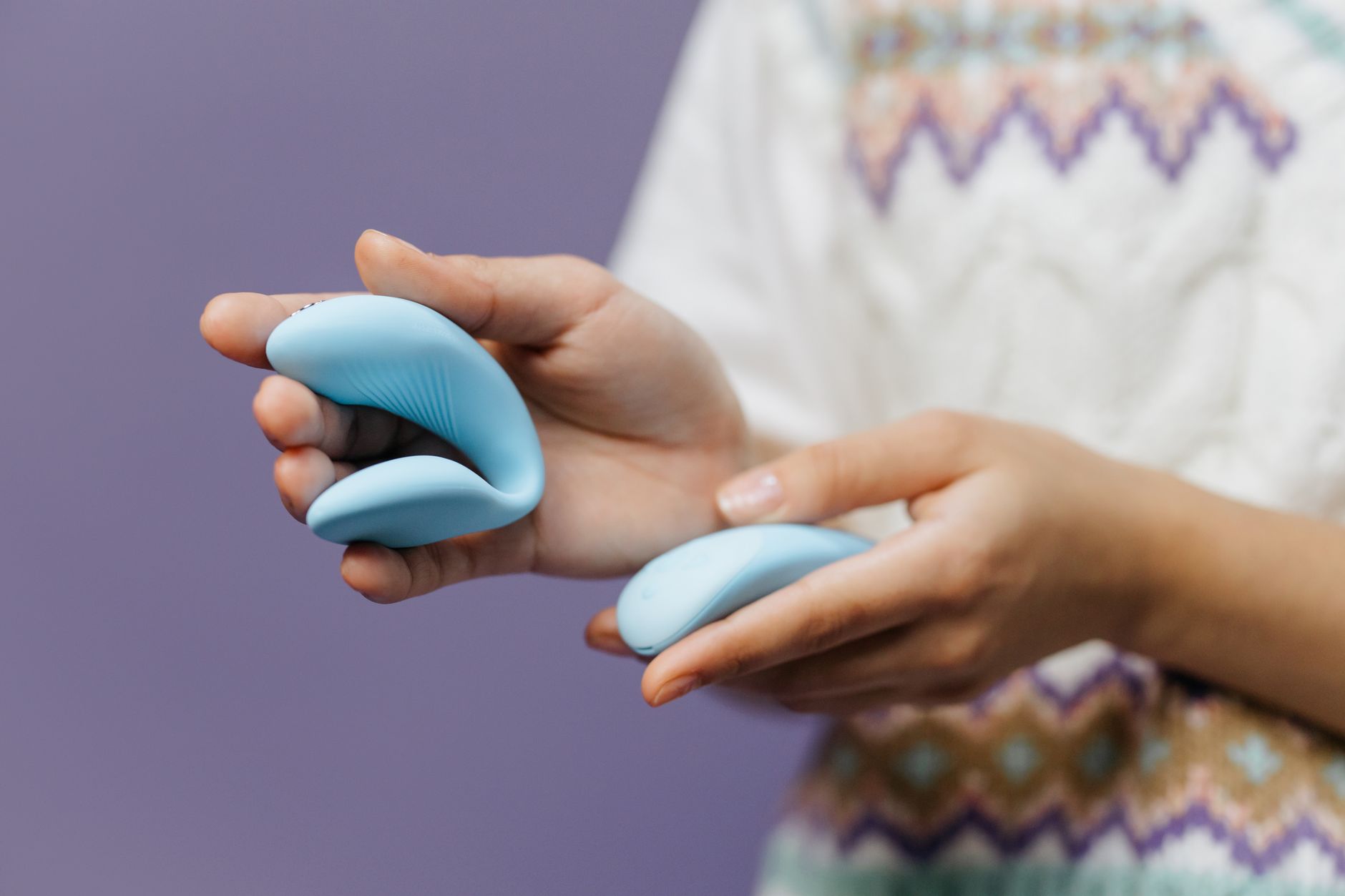
Let's talk about what happens after ten years
After a decade or more together, pleasure doesn't disappear. It gets quiet. You still want your partner. You still have orgasms. But somewhere between the first year and year fifteen, the intensity flattens. The novelty is gone. Your bodies have become predictable to each other, which should be a good thing. Knowing your partner should deepen things. And sometimes it does. But mostly it just means you both know exactly what's coming, which is precisely why it stops working.
This is not a failing. It's not a sign your relationship is broken. It's actually a documented pattern in long-term partnerships, and it's reversible.
Why sensation dulls in long-term relationships
Three things happen simultaneously. First, anticipation fades. Your nervous system stops firing when your partner touches you because your brain has already run this file a thousand times. Second, you both adjust to the same rhythm. Over years, you settle into a groove that works, which means you stop experimenting. Third, the body habituates. The same touch, at the same pressure, in the same sequence, activates fewer neural pathways than it used to.
Your clitoris doesn't change. Your capacity for pleasure doesn't change. But the signal gets weaker because the input stays identical.
Lemon vibrators work here because they interrupt the pattern at the physiological level. Unlike your partner's hand, which your nervous system knows intimately, a lemon clitoral vibrator introduces a completely novel sensation. That novelty forces your brain to pay attention. Your nervous system has to reprocess what's happening, which reactivates pleasure pathways that have been quiet.
How suction changes the game after years together
Most people think of vibrators as faster versions of what they already do. A lemon vibrator (also called a lemon sucker or lemon sexual toy) works differently. Instead of vibration alone, it uses pulsing suction that mimics oral stimulation. Your clitoris responds to this sensation as entirely new information.
After years of the same pressure and rhythm from your partner, suction feels foreign. That foreignness is exactly the point. Your nervous system perks up. Blood flow concentrates. You're suddenly present in a way routine sex hasn't made you in a long time.
What's clever about lemon vibrators for long-term couples is that they're a tool you can introduce together. Unlike the implication of some toys (my partner isn't enough), lemon vibrators feel collaborative. You're both trying something neither of you has felt before. Your partner might even control the toy, which keeps you both engaged and removes the predictability that's been dulling sensation.
The pattern reset: why it works faster than you'd expect
When you've been with someone for years, you often make assumptions about what will and won't feel good. You think you know your own clitoris. You think you know what you like. A lemon vibrator dismantles those assumptions in about forty-five seconds.
Most people report that the first time they use a lemon clitoral vibrator, the sensation is more intense than they expected. That intensity isn't because your body changed. It's because you're experiencing sensation without the overlay of routine expectation.
Here's what happens next. Once you've felt what intense sensation is possible again, your nervous system re-calibrates. Regular touch from your partner starts to feel less flat. You notice things you'd stopped noticing. The temperature of their hand. The specific pressure they use. Because you've reset your baseline, these small details register again.
That's why couples who introduce lemon vibrators often report better sex overall, not just better sex with the toy. The tool itself is valuable, but the real shift is neurological. You've reminded your body what pleasure at high intensity feels like.
When to use a lemon vibrator together (and when to use it alone first)
There's no single right answer here, but here's what I've observed clinically. If your relationship is solid and you're both genuinely interested in rebuilding sensation, using it together from the start works well. It's collaborative, it removes the shame or secrecy, and you're both in the novelty together.
If there's tension around desire mismatch (one of you wants sex more often, one of you has been pulling back), it's sometimes better to use a lemon vibrator alone first. Here's why. If you use it with your partner and have an amazing orgasm, you might both attribute that to the toy being special. But actually, it's you learning that intensity is available again. Once you know that privately, you can then bring it into partnered sex.
When you do use it together, the focus should stay on you, not on whether your partner feels competitive. If you experience a more intense orgasm with a lemon clitoral vibrator than you do with your partner's touch, that's completely normal. Suction hits a different pressure point than fingers. It's not better. It's just different. The key is both of you understanding that.
Practical setup for long-term partners
Start with the lower intensity settings. After years of muted sensation, your clitoris might actually be more sensitive than you realize. You've just gotten used to stimulation that's subtle enough not to register. A lemon vibrator at full intensity can feel overwhelming, so begin at pattern one or two and move up.
Water-based lubricant helps, though suction devices need less of it than regular vibrators. A small amount makes the seal better and reduces friction.
Give yourself at least fifteen to twenty minutes of warm-up time before the toy comes out. This isn't about being broken or needing more time to arouse. It's about giving your nervous system space to shift out of the routine pattern you've been in. Your partner can do this. Kissing, touching, talking. Whatever reminds you both that this is different from your normal sequence.
Rebuilding desire when you've both kind of given up
One of the things I see in couples who've been together fifteen years or more is that desire doesn't just get quiet. It gets replaced with resignation. You assume this is just how it is now. Sex happens, it's fine, but neither of you are really excited about it. That resignation is deeper than low desire. It's the belief that intensity is no longer available to you as a couple.
Lemon vibrators work partly because they're permission to try something new without admitting defeat. You're not saying we need help. You're saying this looks interesting and we're curious. That framing matters. It allows both of you to open back up to the possibility that pleasure can be rebuilt.
What often follows, if you're both willing, is that you both get more experimental in other ways. You notice things you want to try. You touch each other differently. The toy becomes a door back into sexual conversation, not the goal itself.
When pleasure doesn't come back easily
Sometimes a lemon vibrator makes a big difference right away. Sometimes it doesn't. If you're not feeling more sensation, there are other things worth considering. Medication side effects are common. Unaddressed tension in the relationship flattens desire reliably. Stress and burnout do too.
If you've tried how to use lemon vibrators when you have low libido from stress and work and you're still not seeing a shift, that might be the real area to address. A lemon vibrator can't fix what a relationship conversation can fix.
Some couples also find that what looked like desire loss was actually just a mismatch in arousal timing or pressure preference. Once you reintroduce novelty, you sometimes realize one of you prefers different stimulation than you've been giving. That's useful information.
Making it part of your routine without it becoming routine
The irony of fixing the routine problem with a lemon vibrator is that the toy itself can become routine if you're not intentional. Don't use it the same way every time. Don't use it the same day of the week. Don't use it in the same position.
Variation is the actual thing that keeps sensation alive long-term. The toy is just the tool that reminds you variation is possible.
FAQ: Long-term pleasure and lemon vibrators
Why does pleasure actually feel stronger with a lemon sucker than with my partner's touch?
Your nervous system responds to novelty and variation. A lemon clitoral vibrator uses pulsing suction that your body experiences as genuinely different input. After years of the same hand pressure and rhythm, that difference triggers a more alert response. Your brain has to pay more attention, which translates to feeling more intense sensation. This isn't a reflection on your partner. It's just physiology. The same reason a new position sometimes feels better than your usual one.
Can using lemon vibrators actually ruin the sensation from regular touch?
No. The opposite is true. Once you've reintroduced your nervous system to high-intensity sensation through a lemon sexual toy, regular touch actually starts to feel better, not worse. You become aware again of details and textures you'd stopped noticing. The tool resets your baseline, which makes everything else register more clearly.
How often should we be using a lemon vibrator if we've lost pleasure together?
This depends on what you're trying to reset. For pattern breaking, using it one to three times a week for about four to six weeks often shifts things noticeably. After that, use it when you want it, not on a schedule. The goal is to remind your nervous system that sensation can be intense. Once that's integrated, you don't need the toy as much. Some couples use it regularly. Some use it occasionally. Both work.
What if my partner feels threatened by how intensely I orgasm with a lemon vibrator?
This is real and worth naming directly. Some partners feel competitive or worried that the toy means they're not enough. The conversation is crucial here. Help them understand that a lemon clitoral vibrator and your partner's touch are activating different things. You might have more intense orgasms with suction. You might feel more emotionally connected with your partner's touch. These aren't competing goods. They're just different sensations. Some couples find that when the partner actually watches or participates in using the toy, the threatened feeling shifts.
Is a lemon vibrator different from other clitoral vibrators for long-term relationships?
Lemon vibrators use suction rather than vibration alone, which creates a different sensation profile. After years of routine, that difference is what resets perception. A standard vibrator might work too, but the novelty of suction tends to be more surprising to the nervous system, which is the whole point here.
Can a lemon sucker work if my partner isn't interested in using it with me?
Absolutely. Using it solo gives you the same neurological reset. You remember what intensity feels like. You rebuild connection to your own pleasure. Then when you're with your partner, they benefit from that shift even if they never touch the toy. Your arousal becomes more engaged. You're less checked out. That changes the dynamic. If your partner is uncomfortable with toys in general, that's a different conversation worth having, but the toy itself will still reset your nervous system.
The real work starts after the novelty wears off
A lemon vibrator can jolt a long-term relationship back into sensation awareness. But the real work is what you do with that awareness. If you go back to the same routine, the same positions, the same timing, you'll flatten again. The tool is the invitation. You and your partner have to decide to keep experimenting.
That's actually the hopeful part. Pleasure in long-term relationships doesn't fade because love fades. It fades because patterns become invisible. Once you see the pattern and interrupt it, everything gets interesting again.
If you're ready to reintroduce novelty but aren't sure where to start, how to rebuild intimacy after extended stress offers more practical conversation starters. The real shift happens when both people decide pleasure matters enough to rebuild it.