Here's the thing about fingers
They're intuitive, responsive, and intimate. But they have a ceiling. Your hand fatigues after ten minutes. Your pressure varies slightly with each stroke. The angle shifts. The rhythm drifts. None of this is your fault. It's just how bodies work. The clitoris, though, doesn't experience those fluctuations as "natural" or "authentic." It experiences them as interruption.
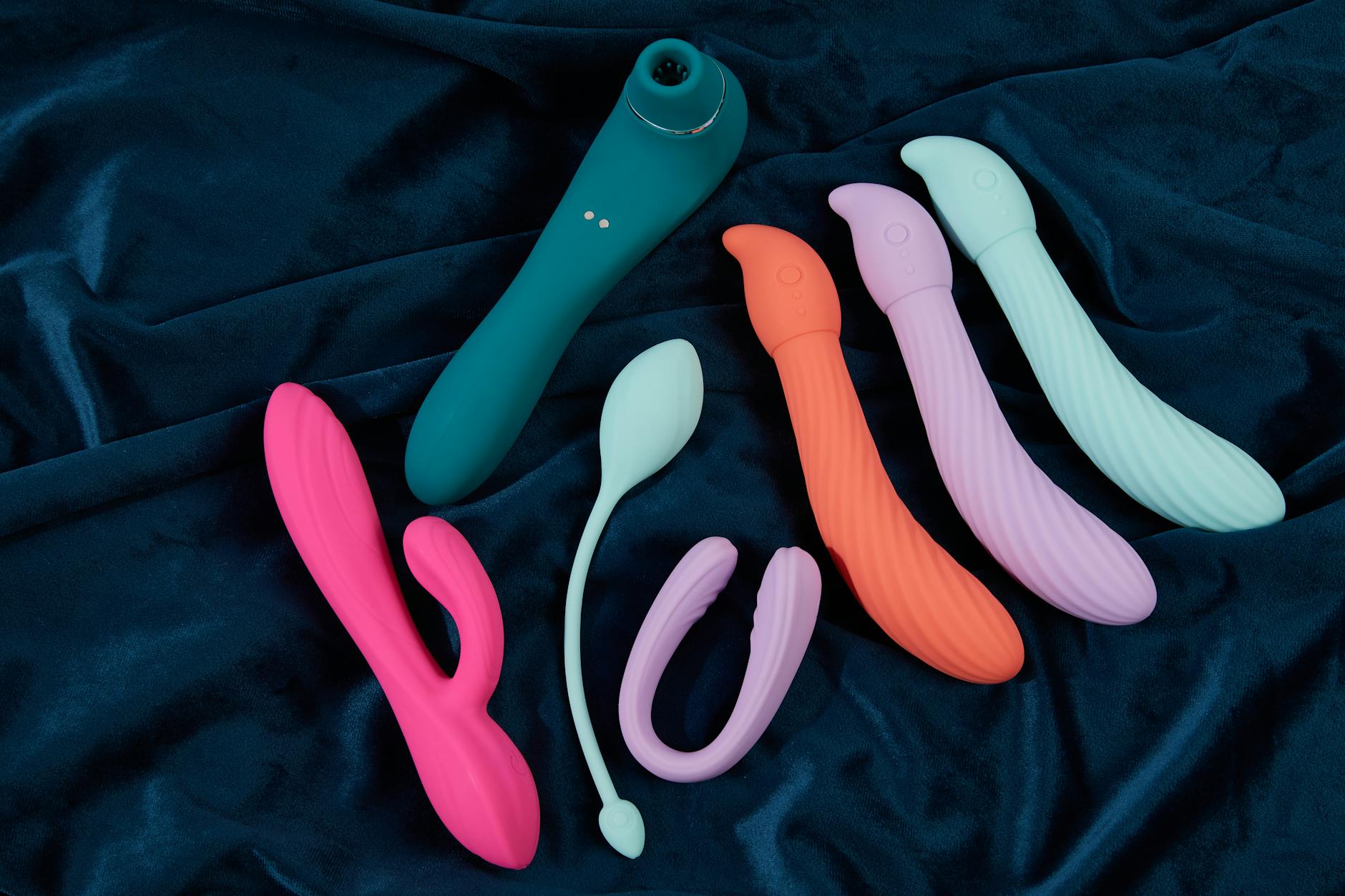
Lemon vibrators, especially air-suction models like the Lem, operate at a completely different frequency than manual touch. That difference isn't subtle. It's neurological.
What the clitoris is actually responding to
The clitoris contains roughly 8,000 nerve endings concentrated in a space smaller than a pea. Those nerves don't fire randomly. They respond to specific types of stimulation. Consistent vibration at 80 to 120 Hz (that's 80 to 120 pulses per second) activates these nerves in a way that sustained manual pressure simply cannot replicate.
Your fingers, no matter how skilled, max out at about 5 to 10 Hz when you're vibrating them intentionally. That's the biological limit of what a hand can sustain without exhaustion. The gap between 10 Hz and 100 Hz is enormous in neurological terms. It's the difference between a gentle tap and a consistent hum.
Air-suction technology compounds this advantage. Instead of relying on friction or pressure, air-suction toys create a rhythmic pulse of gentle vacuum. This stimulates the entire clitoral complex, not just the visible tip. The sensation reaches deeper tissue without the aggressive direct contact that can actually numb the nerve endings over time.
Why consistent stimulation changes everything
One of the biggest differences between manual touch and lemon vibrators is predictability. When your partner or you are using your fingers, there's always micro-variation. A slight shift in pressure. A moment of hesitation. A change in tempo because your arm needs repositioning.
The clitoris loves novelty in overall sensation, but it loves consistency within each pattern. A toy set to a single rhythm creates what researchers call "temporal summation." Your nervous system literally stacks the sensations on top of each other, building arousal more efficiently.
This is why some people find that they can reach orgasm more reliably with a vibrator than with a partner's fingers, even if that partner is attentive and skilled. It's not about care or attention. It's about physics.
Air-suction versus vibration: why the Lem is different
Most vibrators use oscillation (back-and-forth movement) to stimulate. This is effective, but it works through friction and pressure. Over long sessions, this can lead to numbing. The nerve endings adapt to the constant stimulus.
Air-suction toys create stimulation through gentle pulses of pressure change rather than movement. The Lem, for instance, uses rapid pulsing air to create sensation without the repetitive mechanical motion. This means you get intense, focused stimulation without the tissue desensitization that can happen with traditional vibrators.
The clitoral glans, that external tip you can see, is incredibly sensitive. But the clitoral complex extends internally, in a structure shaped roughly like a wishbone. Air-suction reaches this deeper tissue more effectively than vibration alone. Many people report that their most intense orgasms come from this deeper stimulation.
The refractory period question
Let's talk about something that doesn't get discussed enough: after orgasm, the clitoris becomes hypersensitive. A few seconds of direct touch feels intense, even painful. Your fingers naturally back off. A vibrator set to a lower intensity, or an air-suction toy shifted to a gentler pulse, can help navigate this transition more gracefully than manual touch.
This matters because people with vulvas can be capable of multiple orgasms, but only if the stimulation post-orgasm is calibrated correctly. Fingers are less flexible for this. A toy gives you a wider range of intensity to work with during that sensitive window.
Why partnered sex with lemon vibrators works better
Here's a paradox: many couples find that adding a lemon vibrator to partnered sex actually deepens intimacy rather than replacing it. Why? Because it removes the pressure for one person's fingers to do something physically impossible.
If you're receiving oral sex, your partner's tongue gets fatigued. If they're using their fingers, the pressure and angle become exhausting to maintain. Introducing a vibrator or air-suction toy means your partner can focus on other forms of touch, eye contact, and presence while the toy handles the repetitive stimulation.
In my work with couples, I've found that this shift often reduces performance anxiety on both sides. The receiving partner isn't waiting for their partner to "get it right." The giving partner isn't battling hand fatigue. Everyone can relax into the experience.
The solo pleasure advantage
When you're alone, a lemon vibrator removes the variable of communication lag. You don't need to guide a partner or interpret their effort. You set the intensity, the pattern, the rhythm. You're fully in control, and that control is consistent.
Many people find that solo sessions with a vibrator are faster to build arousal than partnered touch, precisely because of the frequency and consistency factor. This is useful information if you're dealing with hormonal fluctuations, stress, or a schedule that doesn't leave time for extended foreplay.
What fingers still do better
This isn't a case for abandoning manual touch entirely. Fingers excel at responsiveness, at adapting mid-stream to what feels good in that exact moment. Fingers can provide warmth and movement in surrounding tissue. The emotional component of being touched by a partner is irreplaceable.
The optimal approach for many people combines both. Start with fingers or a partner's tongue for exploration and warm-up. Introduce a lemon vibrator or air-suction toy when you want to build intensity or reach orgasm. Move back to touch after climax for the grounding, intimacy piece.
Lemon clitoral vibrators aren't here to replace fingers. They're here to do what fingers cannot: deliver consistent, high-frequency stimulation that the clitoris is neurologically designed to respond to. Once you understand that, the choice becomes less about loyalty to manual touch and more about using the right tool for what your body actually needs.
FAQ: Lemon vibrators versus manual stimulation
Can lemon vibrators cause permanent numbness to the clitoris?
No. The clitoris adapts to novel stimulation, but it doesn't permanently desensitize. Taking breaks between sessions, varying intensity levels, and alternating between vibration and air-suction helps prevent temporary adaptation. If you notice reduced sensation, a few days without vibration restores normal sensitivity. This is true for any vibrator, including lemon sexual toys.
Why does my clitoris feel less sensitive after using a vibrator for a while?
This is adaptation, not damage. Nerve endings respond less intensely to continuous stimulus at the same frequency. Solution: use different patterns on your lemon vibrator, take breaks, or alternate between lemon adult toys and manual touch. If you're using the same setting every time, your body becomes habituated. Switching it up keeps sensation fresh.
Is it normal to prefer vibrators to a partner's fingers?
Completely normal. The frequency and consistency of a vibrator is literally different from what fingers can do. This preference is about neurology, not about your partner's care or skill. Many people enjoy both, depending on context and what their body needs in that moment.
Can fingers and lemon vibrators work together during partnered sex?
Absolutely. In fact, many couples find this combination ideal. Your partner's fingers can stimulate surrounding tissue, provide warmth, or focus on penetration while a lemon clitoral vibrator handles the clitoral stimulation. This removes the pressure from any one person to do everything simultaneously.
How long does it take to feel a difference with a lemon sucker versus regular vibration?
Most people notice a difference in the first session. Air-suction creates a distinct sensation because it stimulates without friction. If you've only used traditional vibrators, the sensation is often more rounded and less intense, even at lower settings. This means you can achieve orgasm without the aggressive direct contact that builds numbness.
Should I use lubricant with a lemon vibrator for better sensation?
Lubricant can enhance sensation by allowing the air-suction cup to seal better and create more consistent pressure. Water-based lube is safest with silicone toys. Some people find that a small amount of lube makes the experience smoother without reducing sensation. Others prefer direct contact. Experiment to find what works for your body.
The bottom line
Your fingers have a role. So does a partner's touch. But when you want the clitoris to respond at its full capacity, lemon vibrators operate at a frequency and consistency that manual touch simply cannot match. Understanding this removes shame from preferring toys. It's not that you're less attracted to your partner or that something is wrong with you. It's that your nervous system is responding to physics.
That's not a limitation. That's information. And with information comes choice.
Ready to explore what works best for your body? I'm here to help navigate any questions about pleasure, intimacy, or how to introduce toys into partnered sex without awkwardness. Reach out anytime.