Let's talk about the elephant in the room
At 40 and beyond, couples often discover that what used to work doesn't anymore. That's not failure. That's biology meeting life experience, and it's actually an opportunity.
Here's the thing: your bodies have changed. So has your relationship, your stress levels, and your priorities. When you're trying to reconnect physically after 40, you're not picking up where you left off at 25. You're starting fresh with better information. And that changes everything about how toys actually help.
Why traditional vibrators disappoint couples in their 40s and beyond
Most couples vibrators are designed for young bodies with specific assumptions baked in: consistent arousal patterns, quick response times, direct stimulation preferences. For many partners over 40, none of those assumptions hold.
Women's bodies change. Testosterone drops in both partners. Arousal takes longer. Sensation preferences shift. What felt intense at 30 might feel too intense now. What didn't register at 25 suddenly matters.
Most traditional vibrators also assume you want the same kind of stimulation your partner does. That's rarely true. One partner might need 20 minutes to build arousal. The other might need 5. One person loves direct clitoral vibration. The other finds it overwhelming. You end up with a toy designed to please nobody completely.
This is where most couples either give up or settle into the same script they've been using for years. Neither feels great.
How air-suction technology changes the game for couples
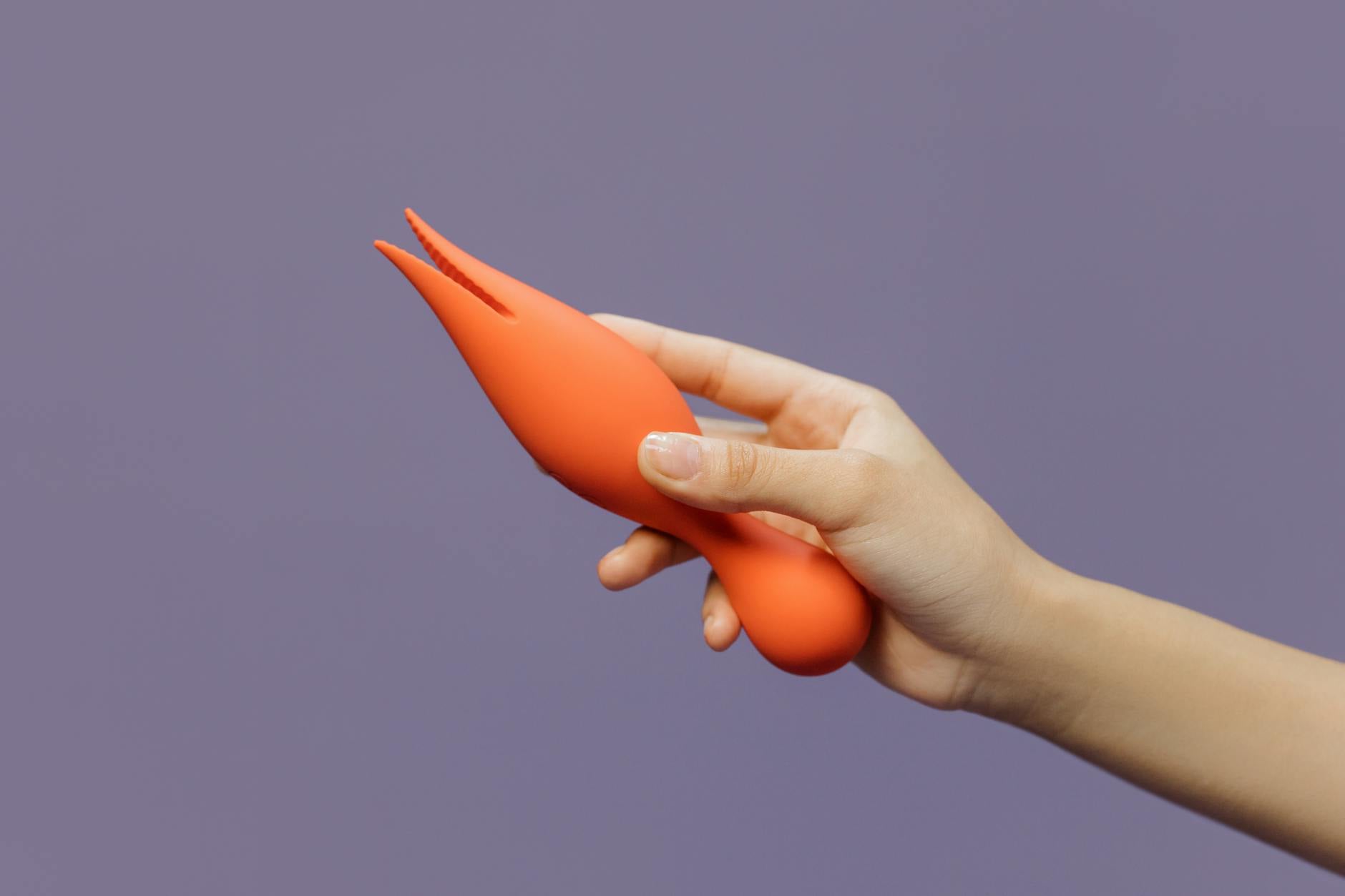
Lemon vibrators use a different mechanism entirely. Instead of traditional vibration, they use rhythmic air-suction pulses that simulate oral contact. For partners rediscovering intimacy after 40, this changes three critical things.
First, it works on different bodies. Air-suction stimulates a broader network of nerve endings than direct vibration alone. If one partner has experienced hormonal shifts, reduced sensation, or just different sensitivity than they used to have, the lemon vibrator's suction reaches nerves that traditional vibrators miss. You're not chasing a moving target of "what used to work." You're accessing sensation through a completely different pathway.
Second, it doesn't require the same kind of direct contact intensity. For many people over 40, direct clitoral contact becomes uncomfortable over time. It's too sharp, too focused, too much. Air-suction creates a seal and applies gentler pressure over a larger surface area. This matters enormously for partners who need to spend longer on foreplay. You can build pleasure slowly without anyone getting frustrated or numb.
Third, sensation is more about pleasure and less about performance. Traditional vibrators demand a specific rhythm, a specific pressure, a specific angle. If your body isn't cooperating with that formula, it feels like something's wrong with you. Air-suction technology is more forgiving. You can shift slightly, change tempo, move in and out of the sensation, and it still works. That flexibility turns pleasure into exploration instead of a pass-fail test.
The partner dynamic that changes everything
Here's what I see with couples who introduce clitoral vibrators into their intimate life after 40: they stop performing for each other and start playing together.
When you're younger, there's often pressure around simultaneous orgasm, matching intensity, proving you're still attracted to each other. By 40, most couples have either given up on that script or they've built resentment around it. Introducing a tool that removes the pressure to hit a specific sensation target actually rebuilds intimacy, not through performance, but through presence.
Your partner isn't performing the same act they've performed for 15 years. You're exploring something neither of you have tried. That's novelty without pretense. That's permission to be curious instead of competent.
Many couples I've worked with describe this as the first time they've paid attention to pleasure in years. Not because they didn't want to. Because they got stuck in the same sequence and lost track of the fact that bodies and desire change seasonally, hormonally, emotionally.
What to do before you introduce this into your relationship
Don't just show up with a lemon vibrator and expect magic. Have the real conversation first.
Talk about what's changed. Has arousal gotten slower? Has sensation shifted? Is there pain that nobody's mentioned? Are you both still interested in being physical, or have you drifted into companionship? This conversation is uncomfortable, and that's why most couples skip it. Don't.
If you're not sure how to start, try this: "I miss feeling close to you physically. I want to explore what works for our bodies now, not what worked at 25. Would you be open to trying something new together?"
That's it. You're not blaming anyone's body. You're not implying there's a problem. You're suggesting partnership in rediscovery.
If your partner seems hesitant, that's data, not rejection. They might be worried about performance, about their body, about whether they still desire you. That's another conversation. Work on that before you introduce toys.
The physical setup that matters
Once you've had the conversation and you're both in, here's what actually changes your odds of success.
Budget more time for foreplay than you think you need. If you used to spend 10 minutes building arousal, budget 20 or 25 now. That's not a problem. That's more time together. Use this time to touch each other in ways that aren't goal-directed. Massage, kissing, talking. The lemon vibrator works better when bodies are already partially aroused.
Start with lower intensity. Most clitoral vibrators have multiple settings. Begin at pattern 1 or 2, even if it feels gentle. You're learning your current sensitivity, not testing your pain tolerance. If your partner wants more after five minutes, shift up. This prevents numbness and keeps sensation fresh throughout.
Position matters more than you'd think. For couples, having the receiving partner lie back with pillows supporting their lower back takes pressure off the pelvic floor and makes it easier to relax. Tension kills pleasure. Comfort enables it.
The conversation that keeps this alive
After the first time, check in. Not during sex. In regular conversation.
What felt good? What surprised you? What do you want to try differently next time? These questions feel awkward because we've been trained not to talk about pleasure explicitly. But by 40, you should know each other well enough that explicit is just honest.
If this is going well, it often opens up conversations about other desires, boundaries, and fantasies that couples in their 40s haven't discussed since early dating. That's the real win. The toy is the permission structure. The conversation is the intimacy.
When to bring a professional into the picture
If pain shows up, stop and see a pelvic floor physical therapist. If desire is completely absent and isn't returning with novelty and time, a therapist who specializes in couples' sexual health can help you figure out whether this is relational, hormonal, or something else entirely.
If one partner wants to explore and the other remains completely uninterested, that's not a toy problem. That's a communication or desire mismatch that needs real support. A professional can help you navigate whether this is fixable or whether you need to redefine what intimacy means in your relationship.
Why lemon vibrators specifically
Lemon vibrators aren't magical. They're just better designed for what actually happens to bodies and desire after 40. The air-suction technology works on more bodies, requires less direct pressure, and creates space for slower, deeper exploration.
They're also shaped to be used by both partners, which means you're not splitting your attention between a tool and each other. You stay connected. That matters more than any technical feature.
Reconnecting physically after 40 isn't about recapturing your 20s. It's about discovering what pleasure looks like with the bodies and the relationship you actually have now. That's often richer, slower, and way more satisfying than what came before.
Frequently asked questions
Can we use a lemon vibrator if we've never used toys before?
Absolutely. In fact, air-suction vibrators are gentler on entry than traditional vibrators. The sensation is less sharp, which makes them less intimidating. Start with the lowest setting and focus on the conversation, not the tool. The toy is secondary to the fact that you're exploring together.
What if one partner wants to try this and the other doesn't?
That's information. It might mean your partner is nervous about their body, worried about performance, or genuinely not interested. Those are different problems with different solutions. Don't push. Instead, ask what would make them feel safe trying. It might be doing it solo first, or starting with hands-on exploration, or just talking more about why they're hesitant. Forcing tools into resistance creates resentment.
Does using a vibrator mean my partner isn't enough anymore?
No. Using a vibrator together often strengthens partnership because it removes the pressure to be everything to each other. Your partner can't be your entire sexual experience. They can be present, curious, and playful while you both explore sensation. That's actually more intimate than the myth of simultaneous perfection.
How do I bring this up without making my partner feel insecure?
Frame it around desire, not deficiency. "I want to explore more pleasure with you" is different from "we need to fix something that's broken." Lead with what you want, not what's missing. If they ask why, be honest: bodies change, and you want to rediscover what works for both of you now.
Is there a "best" lemon vibrator for couples?
Look for something with multiple settings so you can find a rhythm that works for both of you. The shape should be comfortable to hold and easy to control while you're touching each other. Beyond that, it's personal preference. Many couples start with a classic lemon vibrator design because it's intuitive and works on most bodies.
What if we try this and it doesn't help?
Then you've learned something. Some couples reconnect through physical exploration, and some reconnect through other forms of intimacy. If toys aren't the answer, that's fine. But at least you've tried something together, and that conversation usually opens doors that were closed. That's valuable regardless of whether the tool itself was the fix.
The bigger picture
Your 40s and beyond don't have to mean accepting less pleasure or less connection. They mean rethinking what pleasure actually looks like with your current body and your current relationship. Lemon vibrators work for couples after 40 because they're designed for real bodies with real changes, not idealized young bodies with idealized response patterns.
Start with honesty. Add curiosity. Give yourself time. The pleasure you're looking for is probably closer than you think.