Here's the thing about starting in your forties
You're not behind. You're actually in exactly the right headspace. By forty, you've worked through the noise of your twenties, the hustle of your thirties, and you've developed something younger women are still earning: the ability to prioritize what feels good without apologizing for it.
That mindset shift alone transforms the experience. Add a tool designed specifically for clitoral pleasure, and suddenly you're not fumbling in the dark. You're making an informed choice about your own body.
Why lemon vibrators are different for people discovering pleasure later
Most vibrators on the market are designed for people who already know their body. They assume baseline sensitivity, practiced arousal patterns, and familiarity with what stimulation feels like. That's not your situation, and standard devices often feel either overwhelming or weirdly ineffective.
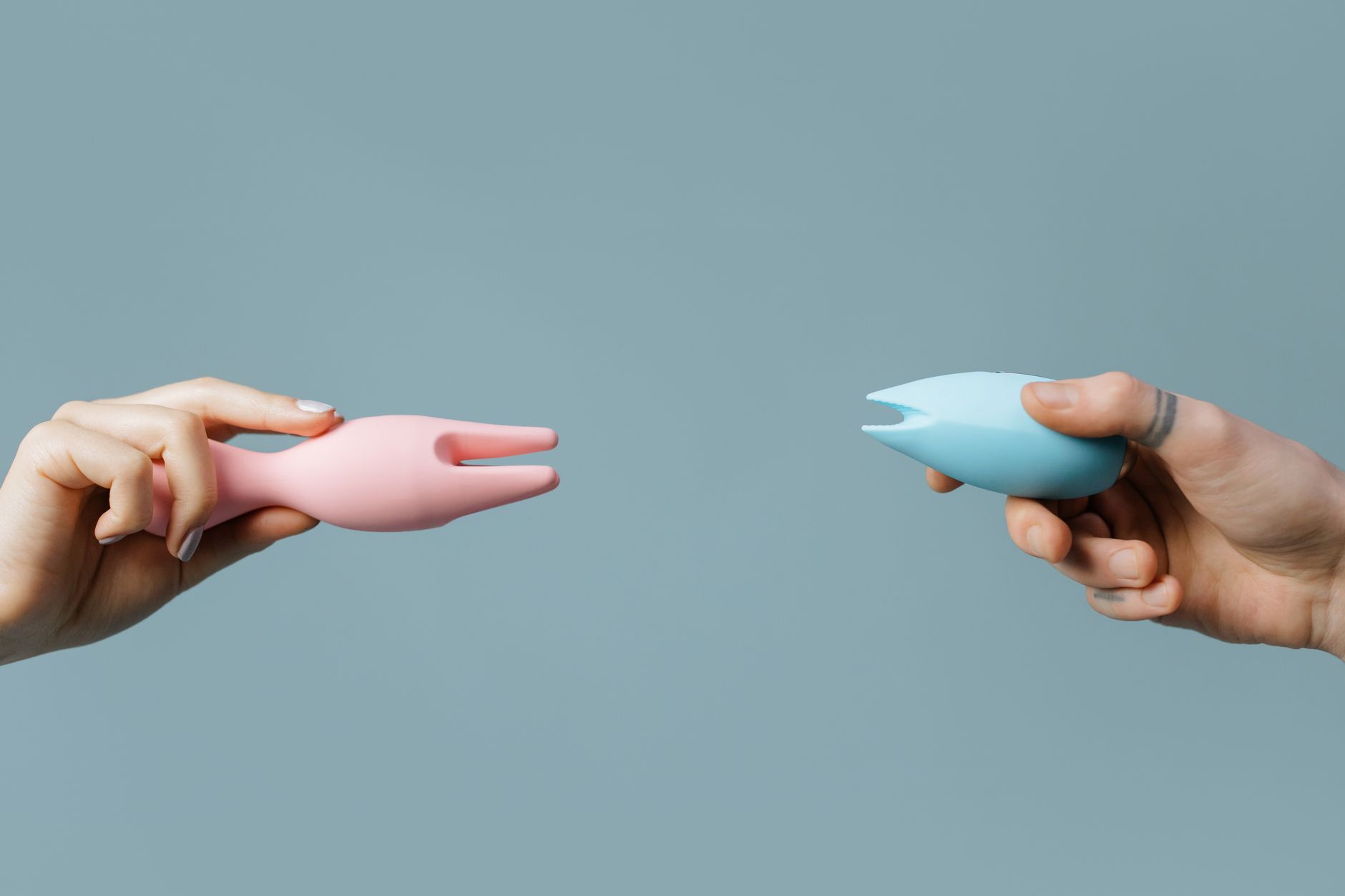
A lemon clitoral vibrator works differently. The suction-based stimulation on devices like the Lem doesn't rely on intense vibration or precise positioning. It creates a gentle, sustained pressure that mimics how the clitoris actually responds to touch. For someone who's never explored before, this is a game changer because it does most of the work for you.
You're not chasing the right angle or the perfect rhythm. The device creates that sensation automatically. That's less guesswork, more actual pleasure.
The sensitivity piece nobody talks about
If you've spent decades in a relationship where your clitoris was largely ignored, or if you've simply never explored solo, your tissue might be less responsive than you'd expect. This isn't a problem. It's just anatomy responding to how it's been used.
Clitoral tissue, like every part of your body, develops responsiveness through engagement. If you haven't had regular stimulation, your nerve endings are dormant but absolutely capable of waking up. A lemon vibrator's suction pattern is excellent at this because it stimulates without requiring the kind of direct friction that can feel too intense or even painful when you're starting out.
Most people report feeling genuine sensation within three to five sessions. Some take longer. That timeline is completely normal.
Starting slow actually works better at forty
Younger bodies sometimes barrel into high-intensity play and adapt. At forty and beyond, you've learned patience in other areas of your life, and that skill transfers directly to pleasure.
Start with the Lem on its lowest setting. Spend time on patterns one and two. Let your body acclimate to the sensation without pressure to perform or achieve anything. This isn't lazy. This is exactly how your nervous system learns best.
The first few times, you might not orgasm. You might not feel much of anything. That's fine. You're building neural pathways. Pleasure isn't binary. Every session where you felt something more than you did the week before is success.
Mental quiet matters more than you think
If you've spent forty years in a cultural narrative that says women's pleasure isn't important, that it's selfish, that it should happen almost accidentally during partnered sex, then your brain has been trained to dismiss your own desires as secondary.
Starting solo with a lemon clitoral vibrator removes that external layer. There's no one's pleasure to manage but your own. There's no expectation clock running. You're not waiting for someone else to figure out what works. You get to take your time, be awkward, laugh at yourself, and figure out what your body actually wants.
This mental spaciousness is often the biggest unlock for people discovering pleasure in midlife. The physical sensation is important, absolutely, but the permission you're giving yourself might matter more.
How to actually start using a lemon vibrator
First thing: choose a time when you won't be interrupted and when you're not exhausted. Pleasure requires some energy. Not a ton, but some.
Second: water-based lubricant. Even if you're not experiencing dryness, lube reduces friction and makes the suction-based stimulation more comfortable. It's not about being broken. It's about physics.
Third: get comfortable in a position where your legs can relax. Lying down works. Sitting with back support works. What doesn't work is clenching your legs or being in a position where you're holding tension anywhere. Your pelvic floor needs to be soft and released for arousal to build properly.
Fourth: touch yourself first. Not necessarily with the device. Explore with your hands. Notice what feels interesting. Notice where you're sensitive. Then introduce the lemon vibrator at a low setting on your inner thigh or labia before moving to direct clitoral contact.
This preparation takes time. Budget twenty to thirty minutes for your first few sessions even if you only use the device for ten of those minutes.
What actually happens when you start
Session one: you're probably going to feel self-conscious. That's okay. Keep going anyway. Most people report the sensation feels unusual, sometimes good, sometimes just weird.
Sessions two through four: you might start feeling actual pleasure. It might not be an orgasm. It might be a warm, building sensation that doesn't go anywhere. All of that is completely normal and completely valuable.
Sessions five through eight: if you've been consistent, your body starts to recognize what's happening. Arousal builds faster. Sensation feels more pronounced. Orgasm might happen, or it might not yet. Either way, the experience is noticeably more pleasurable than the first sessions.
After that: you're building a practice. Some sessions are incredible. Some are just fine. Some you'll stop and decide you're not in the mood. That's all normal and healthy.
Why partnered people often discover solo pleasure too
If you're in a relationship, this might feel weird or even like a betrayal. It's neither. Solo exploration actually improves partnered sex because you learn what works for your body. You can then guide your partner toward what actually creates pleasure for you, rather than them guessing or you pretending.
Many people over forty report that discovering their own pleasure solo ultimately deepened intimacy with partners because for the first time, the conversation shifted from "let's have sex" to "here's what actually feels good to me."
The shame piece
You might feel weird about buying a clitoral vibrator in your forties. You might worry you're being selfish or that something is wrong with you for not having discovered this earlier. Let me be direct: neither of those things is true.
There's nothing shameful about prioritizing your own pleasure. There's nothing broken about starting your exploration in midlife. If anything, the self-awareness and intentionality you bring to this at forty is an advantage younger people often lack. You're not doing this on a dare or because it's expected. You're doing it because you decided your pleasure matters. That's powerful.
When to reach out for support
If you're experiencing pain during use, stop and reach out to a healthcare provider. Pain isn't part of the process.
If after a month of consistent use you're still feeling completely numb, talk to your doctor. Sometimes hormonal changes or medications affect sensation, and there are solutions.
If the mental block feels insurmountable, a therapist who specializes in sexual health can help. You don't need to do this alone, and there's no timeline you're on.
Midlife pleasure discovery is becoming more common, and more healthcare providers understand this journey now.
You have time
There's no rush. You don't need to figure it all out in a week or a month. Some people find their most satisfying orgasms of their life in their forties or fifties. Your body is entirely capable of this. You just need patience, the right tool, and permission to prioritize yourself. A lemon clitoral vibrator gives you two of those three. The third one you have to give yourself.
Common questions about starting exploration over forty
What if I don't feel anything the first few times?
Your body needs time to recognize what's happening and build arousal. Think of it like exercise. The first workout is uncomfortable and you don't feel "fit" yet. Keep going. Sensation builds gradually for most people, especially if your clitoris hasn't been regularly stimulated before.
Is it normal to feel awkward or self-conscious using a vibrator alone?
Completely normal. You've spent decades in a culture that tells women to be small and quiet about sex. Using a vibrator for your own pleasure challenges that. The awkwardness usually fades after a few sessions. Keep going anyway.
Can using a lemon vibrator make it harder to orgasm with a partner?
No. The opposite often happens. When you know what works for your body, you can guide your partner toward it. Some people use the lemon vibrator during partnered sex too. It's about adding pleasure, not replacing it.
What if I try it and discover I'm just not interested in pleasure?
That's completely valid. Not everyone is interested in solo or partnered sex, and that's okay. But most people who think they're not interested find out they actually are once they get past the initial discomfort. Give yourself at least a month of exploration before you decide.
How often should I use a lemon vibrator when I'm starting out?
Once or twice a week is plenty. More frequent use won't speed up the process. Your nervous system needs recovery time. Consistency matters more than frequency.
Will anyone know I'm using a adult toy?
No. Lemon vibrators are discreet, rechargeable, and quiet. They're also simple to clean and store. Your privacy is entirely within your control.
The honest part
Starting your pleasure journey over forty might be the most self-loving thing you do this year. Not because orgasms are the goal, though they're great. Because you're telling yourself that your body matters, that your feelings are worth exploring, and that you deserve to know what actually brings you pleasure instead of guessing based on what's worked for other people.
That's the real discovery. The lemon vibrator is just the tool that makes it easier.