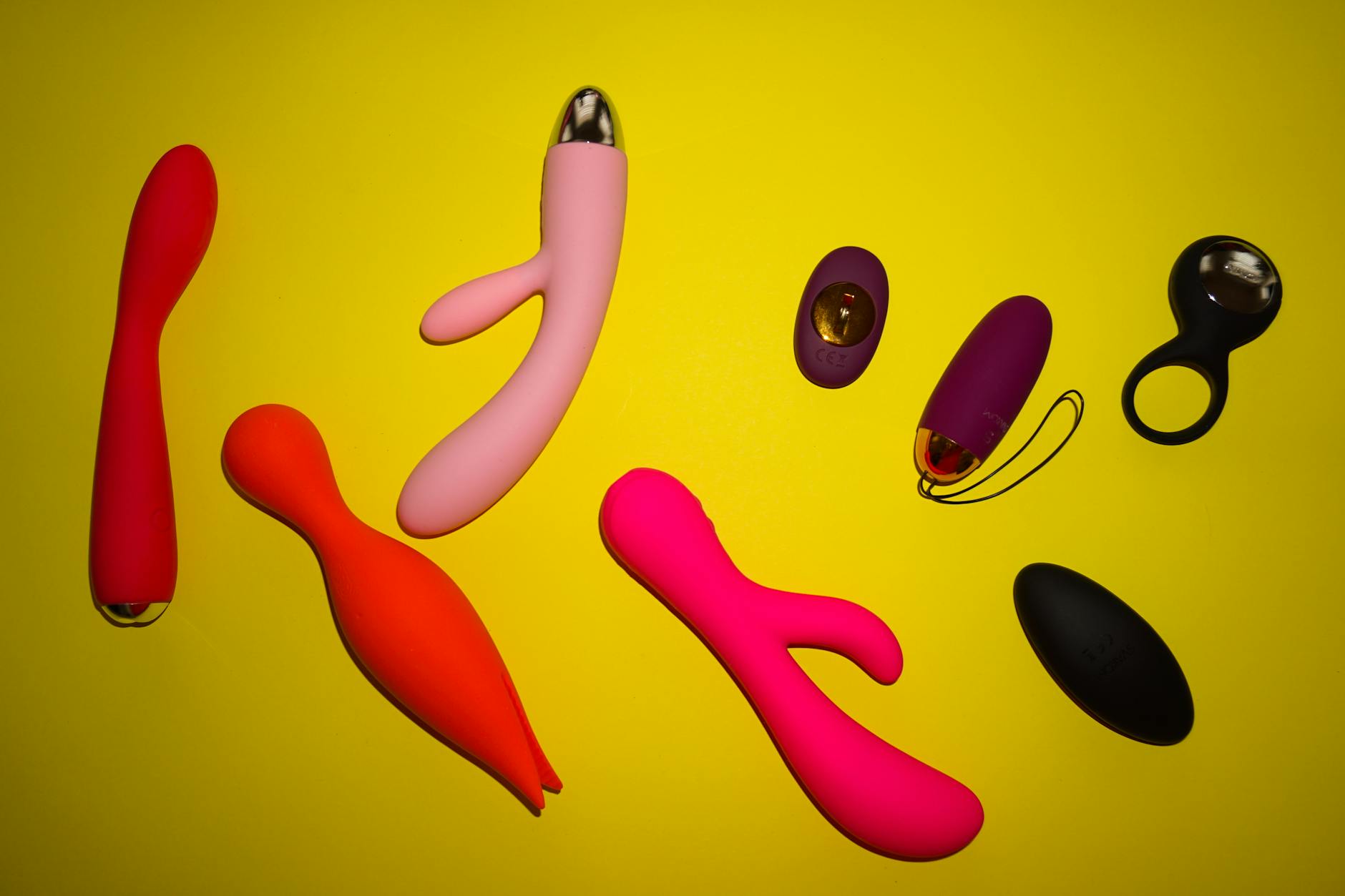
Let's start with the honest part
Introducing a lemon vibrator to a new partner can feel like a risk. You're not just sharing a toy. You're saying something about what you need, what feels good, and what you're willing to ask for. That kind of vulnerability early on is terrifying sometimes.
Here's what I know from years of working with couples: the partners who bring toys into new relationships intentionally and calmly tend to have better long-term sex lives. Not because the toy is magic. Because they've already practiced asking for what they want.
Why new partners especially need clarity
In long-term relationships, couples build a sexual language over time. Inside jokes, shorthand, learned rhythms. With someone new, you don't have that yet. Which means introducing a lemon clitoral vibrator early isn't actually riskier than waiting. It's just more honest.
New partners are often relieved when someone brings a vibrator to the conversation. It removes the guessing game. It says: "Here's something that works for my body. I want to share this with you." That's not a burden. It's data.
The real tension comes from shame, not from the toy itself. If you're nervous because you think wanting a vibrator means something is wrong with you or your partner, that's the actual problem to solve first.
The conversation: how to bring it up without it feeling clinical
Timing matters here. Don't ambush it mid-sex or in a moments of disconnection. Bring it up when you're both relaxed, clothed, and the stakes feel low.
Try something like: "I've been using lemon vibrators for a while now, and they work really well for me. I'd like to use one together if you're open to that." That's it. No apology, no over-explanation, no preface about how "most people use them."
If they ask why, be straightforward: "My body responds better to that kind of stimulation than fingers alone." You're not saying fingers don't feel good. You're saying this is what gets you there reliably.
Good partners will ask questions. "How does it work?" "What do you like about it?" "What would that look like for us?" Those are green flags. A good partner is curious, not defensive.
If they respond with something like "Aren't I enough?" that's a conversation, but not the one you think. That's about their insecurity, not about you. You can say gently: "This isn't about you not being enough. This is about my body and what helps me feel good. I want to experience that with you."
How to actually use a lemon clitoral vibrator together
Let's get practical. You have a few options depending on what feels comfortable.
Option 1: You use it on yourself while they're involved. You're in control. They're present, touching you elsewhere, watching, or participating however feels natural. This is often the easiest entry point because you already know how the lemon vibrator works on your body.
Option 2: They use it on you. This requires a brief tutorial ("This pattern feels best, start on low, and I'll tell you if I want more intensity"), but it can feel more intimate. You're not managing anything. You get to just receive.
Option 3: It's part of penetration. The lemon sucker works beautifully externally while you're having sex. Your partner stays inside. The vibrator stays on your clitoris. Your body gets both sensations at once.
Start with whichever sounds least nerve-wracking. You can experiment with the others later.
What to actually say during the moment
This is the part where people freeze up. Here's what helps.
Before you start, say something like: "I'm going to use this now. Tell me what you're noticing." That shifts it from a performance (am I weird?) to an experience (look what's happening).
During, you can narrate a little if it feels natural. "This feels so good." "I like when you touch me here while I'm using it." "A little slower." Real language, not dirty talk unless that's your thing.
If you feel self-conscious, acknowledge it to them. "I'm a little nervous about this, but I really wanted to try it with you." That humanizes the moment. It's not a production. It's just two people figuring something out together.
Managing the actual nervousness
Your nervous system is the real obstacle here, not your partner.
If you tend to freeze or go numb when you're anxious, do some breathing work before. Deep inhale for four counts, hold for four, exhale for six. That activates your parasympathetic nervous system. Your body will relax.
If you're worried about being too loud or looking a certain way, tell your partner that directly. "I get self-conscious about my facial expressions" or "I'm loud when I'm close to coming and I'm trying not to be." Now they know. They can reassure you, or they can stay present without judgment.
Some people find it helps to keep the lights dimmer at first. Or to use the lemon vibrator together without penetration, just to get used to the sensation and the presence of another person. There's no race here.
Why lemon vibrators specifically work for new partnerships
Design matters more than people think. A lemon clitoral vibrator uses gentle suction rather than buzzing alone. That means you get a different quality of sensation. For new partners, this is actually helpful because it's distinctive. The sensation is specific and portable. You're not just adding more intensity. You're adding a new kind of stimulation.
The lemon sucker is also intuitive to use. Unlike some toys that require figuring out angles or settings, you just place it and adjust the pattern. Your partner doesn't need a manual. They can learn as they go.
After the first time: building on it
After you've used a lemon vibrator together once, the second time is easier. The third time, you're probably not thinking about the logistics anymore.
This is when real chemistry shows up. When using a toy together stops being a thing you're doing and starts being just part of how you have sex together.
Check in afterward, but keep it simple. "That felt good." "I liked when you..." You don't need to debrief it like a business meeting. But a small acknowledgment cements it as normal.
Over time, you might find that using lemon clitoral vibrators together becomes a regular part of your sex life, or you might use one occasionally. Both are fine. The point is that you've already shown your partner what asking for what you want looks like.
When a new partner pushes back
If someone responds to the vibrator conversation with judgment or refusal, that tells you something important about compatibility. It's not a reflection on you or the toy. It's information about whether they're secure enough to be present with your pleasure.
You don't owe anyone a debate about your body or your needs. If they can't get curious about what works for you, that's a sign to pay attention to. Generosity with pleasure matters in long-term relationships.
The deeper thing
Introducing a lemon vibrator early isn't just about sex. It's about setting a tone. The tone that says: I know what I like. I can ask for it. I'm not ashamed. And I trust you enough to let you see that part of me.
That tone, once it's established, changes everything. It makes it easier to ask for other things. To say no when you mean no. To build actual intimacy instead of just going through the motions.
The toy is the prop. The real work is the confidence. And that starts with one conversation.
People also ask
Should I tell a new partner about my vibrator before we have sex?
Yes, ideally. Bringing it up when you're both clothed and relaxed gives them time to adjust to the idea before the moment arrives. It's not awkward. It's considerate. It says: I'm thinking about this thoughtfully, and I want you to have the same courtesy.
What if my new partner wants to use the vibrator on me but I'm not sure I trust them with it yet?
That's valid. You can absolutely say: "I'd like to use it on myself first and let you watch, then we can try you using it on me another time." You're not rejecting them. You're managing your own comfort. A secure partner gets that.
Can I use a lemon vibrator during penetrative sex with a new partner?
Absolutely. Many people find that external stimulation from a lemon clitoral vibrator during penetration intensifies everything. Talk about placement beforehand so nobody's surprised mid-act. Start slow. Your body will tell you what feels good.
Will using a vibrator early on set a precedent I can't change later?
No. You can use toys sometimes or never use them. You can use them early and then take a break. You can bring them back in later. Your sexuality isn't a contract. It's a conversation that evolves.
How do I know if my partner is just pretending to be okay with it?
Watch their actions, not just their words. A partner who's genuinely fine with vibrators will ask questions, stay present, and suggest using one again. A partner who's secretly uncomfortable might go quiet, become less engaged, or make subtle comments later. If you sense disconnection, check in: "How did that feel for you?" Give them space to be honest.
What if I'm more into lemon vibrators than my new partner is?
You can still use them. You can use one while they're present but not directly involved. You can use one for solo sex. A toy preference doesn't have to be perfectly matched. What matters is that your partner respects what works for your body, even if they don't share the same preference.
The bottom line: Using a lemon clitoral vibrator with a new partner is not a risk to your relationship. It's an investment in honesty. You're saying from the start: this is what my pleasure looks like, and I trust you to be part of it. Most secure partners will feel honored by that trust, not threatened by it. If they don't, that's information worth having early.
If you're just starting to explore vibrators and want to learn more about what works, check out our buying guide. And if questions come up as you navigate this with your partner, we're here.