
Let's be real about SSRIs and sex
Selective serotonin reuptake inhibitors work. They lift depression, tamp down anxiety, make mornings feel survivable. The trade-off is something no one warns you about clearly: orgasm becomes a vanishing act. What used to take five minutes now takes thirty. Or fifty. Or doesn't happen at all, even though you want it and your body is responding.
This isn't a character flaw. This isn't low desire. This is neurochemistry. And it's fixable.
Why SSRIs delay orgasm in the first place
SSRIs work by keeping serotonin hanging around longer in your brain. That's the good part. But serotonin also regulates the final sprint to orgasm. Higher serotonin means your brain is literally harder to tip over the edge. Some people adjust after a few months. Many don't. After years of working with people on antidepressants, I can tell you the ones who stop being frustrated are the ones who change their approach, not the ones waiting for their body to adapt.
The solution isn't switching medications. The solution is understanding that delayed orgasm from SSRIs requires different stimulation than what worked before.
Why lemon clitoral vibrators outperform traditional options
Here's the thing about fingers and standard vibrators: they rely on friction and repetitive movement. Both require sustained focus and consistent arousal building. When you're on an SSRI, arousal builds slower and plateaus more easily. You get stuck in the middle, which is frustrating for everyone involved.
Lemon clitoral vibrators like the Lem work through suction and pulsing patterns rather than vibration alone. This matters because suction creates a continuous sensation that doesn't depend on friction. Your brain stays engaged. Your body doesn't plateau as easily. The stimulation pattern can shift without losing momentum.
Think of it this way: a traditional vibrator is like tapping. A lemon sucker vibrator is like a steady, rhythmic pull. One requires constant manual adjustment. The other does the work for you.
The timing shift that changes everything
People on SSRIs often try to orgasm on the same timeline as before the medication. That's the first mistake. Your body isn't broken. The timeline is just different now.
Instead of expecting five to ten minutes, budget twenty to thirty. Start using your lemon vibrator earlier in the experience, not as a final push. Many people think toys are a last resort. When you're on an SSRI, they're your opening move. Spend ten minutes with suction stimulation while you're building arousal, not desperately chasing the finish line.
Also: stop watching the clock. That's anxiety, and anxiety is a serotonin killer. If you're thinking "this is taking too long," your body literally hears that as a reason to stay calm. Set a timer if you need to give yourself permission to spend thirty minutes on this. Then forget the timer exists.
Pattern switching and the orgasm breakthrough
One reason people on SSRIs give up is that single approach fails them. They try one pattern on their lemon clitoral vibrator and when it doesn't work after ten minutes, they stop.
Don't do that. Switching patterns is the secret. Most quality lemon vibrators have three to five distinct pulsing modes. Use the first pattern for five to seven minutes while you're building arousal. Switch to a different pattern. Your nervous system notices the change. It's stimulating without feeling monotonous. After another five minutes, shift again.
This pattern switching keeps your body engaged even when your brain wants to wander. It's not about finding the "right" pattern. It's about movement and novelty. Your body stays interested.
The partner conversation you need to have
If you have a partner, they need to understand this isn't about them. SSRI-delayed orgasm is a medication side effect, not a desire issue. Many partners misinterpret slower arousal as less attraction. That's backwards.
Instead of thinking "she's not into me anymore," reframe it as "we need different timing now." Tell them you're using a lemon vibrator not because manual stimulation isn't good anymore, but because you need consistent, uninterrupted sensation to reach orgasm. Some partners want to help. Great. Let them hold the toy while you focus on breathing and arousal. Others feel more comfortable stepping back. That's fine too.
The worst approach is pretending to orgasm or faking interest to speed things up. That erodes intimacy faster than any medication ever could.
Medication timing and sexual scheduling
Here's something most doctors don't mention: when you take your SSRI affects how much it impacts your sexual response. If you take it in the morning, evening sexual activity is slightly less affected. If you take it at night, you might notice a difference by afternoon.
This isn't a reason to mess with your medication schedule. But it's worth noting. Some people find they have a window of slightly easier arousal at certain times. Use it. If your SSRI works better for your mood in the evening, keep taking it then. But if you notice afternoon or early evening feels slightly easier, that's valuable information.
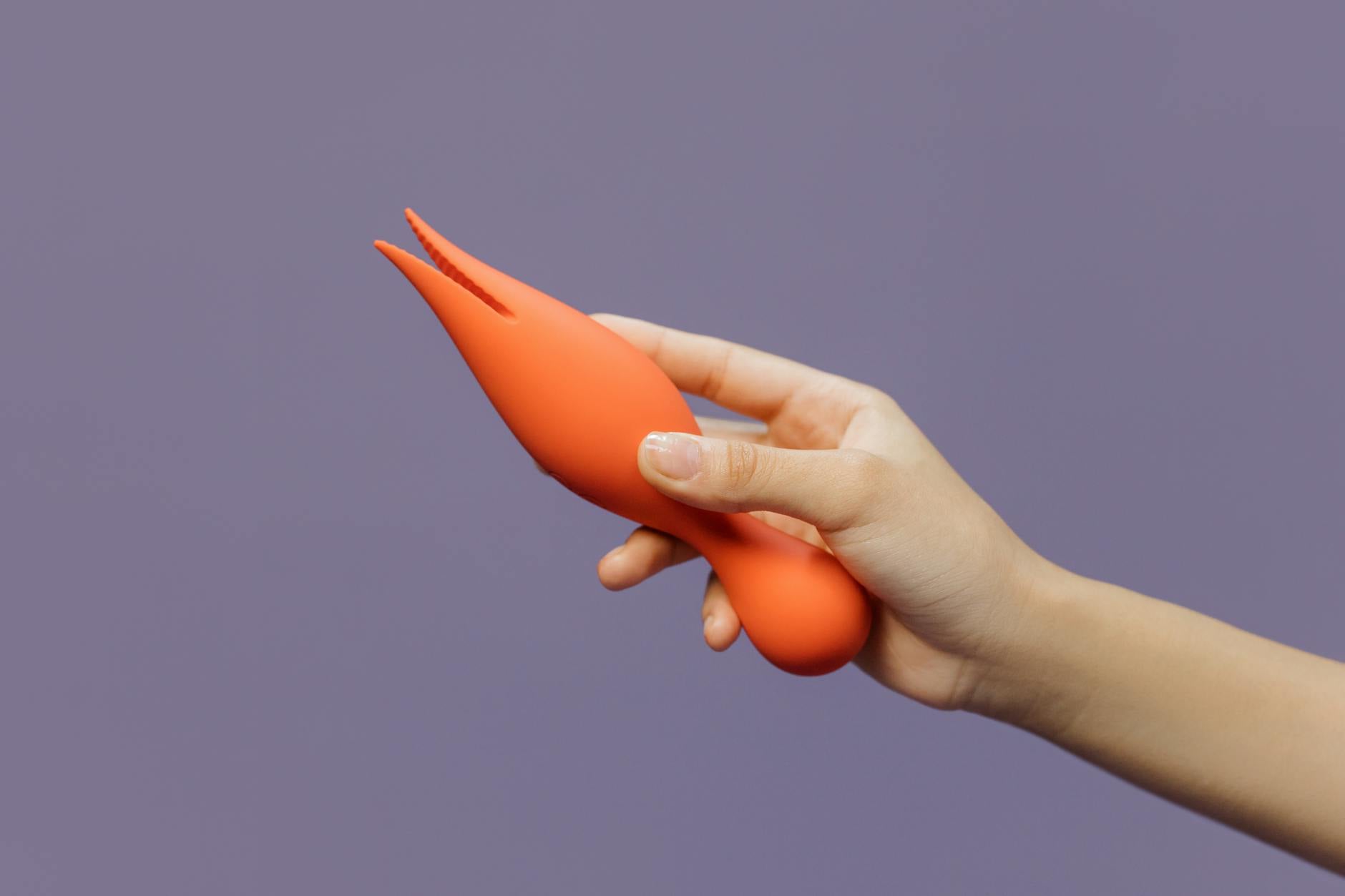
Photo by cottonbro studio on Pexels
What doesn't work (and why)
Increasing SSRI dose doesn't fix sexual side effects. Neither does switching to a "better" SSRI. Some SSRIs have slightly lower sexual side effects, but the difference is marginal. If your medication is working for your mental health, the answer isn't to tinker with dosing. The answer is to adapt your sexual approach.
Also: alcohol doesn't help. Neither does marijuana. Both lower arousal further. I know people think otherwise, but that's because they're also relaxing, which feels good. Arousal is separate from relaxation. You need both, but they're different things.
Instead, focus on what actually works: extended foreplay, pattern-shifting stimulation from a lemon vibrator, breathing awareness, and lowered expectations about speed. Those are the levers you control.
Building back pleasure when SSRIs have worn it down
Many people spend months or years on SSRIs before realizing the sexual side effects aren't temporary. By that point, they've often stopped trying. The pleasure pathways feel flattened. Sex feels like work.
This is where how to rebuild pleasure after hormonal birth control becomes relevant. Different cause, same principle: your nervous system has adapted to expecting difficulty. You need to rewire that expectation.
Start with solo use. Spend time with a lemon clitoral vibrator just to understand your body's response now, on medication. Thirty minutes alone with no goal other than pleasure or information gathering. Most people discover they can still orgasm. They just need a different route.
Then bring that knowledge into partnered sex. You're not starting from scratch. You're adding information.
When to talk to your doctor
If orgasm has completely stopped after three months on an SSRI, mention it to your prescriber. Not because they'll necessarily change anything, but because there are a few medical options: taking an extra dose an hour before sex, switching to a different SSRI class, or adding a medication like bupropion that counters sexual side effects.
Don't expect your doctor to bring this up. Most don't. You have to name it directly. "I'm experiencing significantly delayed orgasm since starting this medication. What are my options?" That opens a real conversation.
But here's what I want you to know: fixing this with a lemon vibrator and better technique works for most people immediately. Medical intervention is optional, not required.
The five-minute rule when you're frustrated
If you've been trying for twenty minutes and feel like you're chasing your tail, stop. Not forever. Just for that session. Frustration is arousal kryptonite. Your body learns "sex equals effort and failure." That rewires your response in unhelpful ways.
Instead, set a boundary. Thirty minutes maximum. If you reach orgasm, great. If you don't, you've still had pleasure, stimulation, and information. That counts. You can try again tomorrow.
Most importantly: an orgasm delayed is not an orgasm denied. It's just... delayed. Your capacity is still there.
FAQ: Delayed Orgasm, SSRIs, and Lemon Vibrators
Can I take my SSRI at a different time to fix this?
Sometimes timing your dose helps slightly, but it's not a solution. The medication is in your system either way. Changing when you take it should only happen under your doctor's guidance. Focus instead on changing how you approach stimulation with tools like lemon clitoral vibrators.
Do lemon vibrators work faster than traditional vibrators for SSRI-delayed orgasm?
Not necessarily faster, but more reliably. Suction stimulation maintains engagement longer without requiring constant manual adjustment. Traditional vibrators rely on friction, which plateaus more easily when you're on SSRIs. With a lem vibrator, you're more likely to reach orgasm eventually, even if "eventually" is thirty minutes instead of five.
Is it normal to need extended time to orgasm on SSRIs?
Completely normal. Studies show 40-60% of people on SSRIs experience some level of delayed orgasm or difficulty reaching it. You're not broken. Your nervous system is responding exactly as expected to medication that keeps serotonin elevated. That's the point of the medication. The trade-off is real, but it's manageable.
Will the delayed orgasm eventually go away if I stay on the medication?
Maybe. Some people adjust after six to twelve months. Most don't. If your medication is working for your mental health, that's the priority. Your sexual response will adapt if you give it the right tools like lemon sexual toys and adjusted expectations about timing.
Can I switch SSRIs to one with fewer sexual side effects?
Possibly, but the differences between SSRIs are marginal. Switching medications to chase sexual side effects often backfires because the new medication doesn't work as well for your mood. If you're considering it, talk to your prescriber about specific alternatives. Most will say: stick with what's working for your mental health and adjust your sexual technique instead.
What if my partner thinks the delayed orgasm is about attraction?
Tell them directly: "SSRIs delay orgasm in 40-60% of people who take them. This is a medication side effect, not a desire issue. I'm attracted to you. My nervous system just needs different stimulation now." Then show them. Use your lemon vibrator. Let them see you orgasm. That's the fastest way to reset their understanding.
The bottom line
SSRIs save lives. That matters more than sex. But you don't have to choose between mental health and sexual pleasure. You just need different tools and adjusted expectations. Lemon clitoral vibrators, extended timelines, and pattern switching work. Your nervous system will cooperate once it understands the new rules.
Your pleasure still matters. So does your mental health. You can have both.