
When healing isn't linear
Recovery is not a straight line. You know this intellectually, and yet when your body plateaus or regresses, the frustration feels personal. You've been working at it. You thought you were past this. Then suddenly pleasure feels further away than it did last month, and the old fear creeps back in.
This is not a sign you're failing. It's a sign you're human, and healing from trauma, surgery, or medical treatment involves your nervous system relearning how to trust sensation. That takes time. It also takes the right tools.
Why recovery stalls (and it's not what you think)
When pleasure rebuilding plateaus, the assumption is usually physiological. Your body isn't recovering fast enough. Sometimes that's true. But more often, a stall happens because your nervous system has hit a threshold and is asking you to slow down rather than push through.
Think of it like this. Your system has a bandwidth for new input. When you've been through trauma or a medical event, that bandwidth shrinks temporarily. You can tolerate touch for five minutes, then your nervous system says enough and shuts down sensation. This looks like numbness or lost progress. It's actually your body protecting itself.
Lemon clitoral vibrators work at this stage because they offer something you can't get from manual touch alone. Consistent, predictable stimulation. Your nervous system doesn't have to wonder what comes next. It can relax into a pattern. Once it's relaxed, it stops bracing. Once it stops bracing, sensation returns.
The restart protocol
If progress has stalled, reset your approach. This doesn't mean starting from zero. It means recalibrating intensity and timing.
Step one: Lower the baseline. If you were using pattern 3 or 4 on your lemon vibrator, move back to pattern 1 or 2. Your nervous system might be registering those higher patterns as slightly threatening, even if they didn't feel intense. At a lower frequency, your body stops anticipating pain and starts processing pleasure.
Step two: Shorten the session. Instead of 15-20 minutes, aim for 5-8. This sounds counterintuitive. You want more sensation, so you should do more, right? Wrong. When you're rebuilding after an event, more input creates more nervous system activation, which creates shutdown. Less, more often, teaches your system that sensation is safe.
Step three: Move the timing. If you've been exploring in the evening, try morning. If morning, try the hour after a workout. Your nervous system's capacity shifts throughout the day. You might find that noon or mid-morning is when your bandwidth is widest. Trial and observation beat rigid routine here.
When numbness won't budge
Some weeks, sensation doesn't return at all. You're using your lemon vibrator, you're following the protocol, and you feel... nothing. Flatness. This is the moment many people quit.
Don't. Not yet.
Persistent numbness after trauma or surgical recovery is a known response. Your nervous system isn't broken. It's in a protective state. The brain is essentially saying, "Not yet. This area is still unsafe." And the only way through that is patient, consistent exposure that proves otherwise.
Two things help here. First, pair sensation work with grounding. Use your lemon vibrator, then spend two minutes naming five things you can see, four you can touch, three you can hear. This pulls your mind out of the past and into the present moment. Your nervous system learns: this sensation is happening now, safely, with no threat.
Second, talk to a trauma-informed therapist if the numbness is severe or persistent beyond four to six weeks. Certain medical events or trauma responses need clinical support alongside at-home work. That's not failure. That's wisdom.
The permission problem
Recovery stalls sometimes because you're not actually permitted, emotionally, to have pleasure right now.
Maybe you feel like you should be focusing on healing, not pleasure. Maybe you're grieving what you've lost physically and feel like exploring sensation is betraying that grief. Maybe you're angry at your body and don't feel like you deserve this yet. All of that is real. And it will slow or block your progress.
Lemon vibrators are tools, not solutions. They can rebuild nerve sensation, but they can't override your belief that you don't deserve pleasure right now. That's the work you have to do separately.
For some people, that's journaling. For others, it's talking to a partner or therapist. For many, it's simply giving yourself permission to want this. To say: my body has been through something hard. Pleasure won't erase that. But pleasure will remind me that my body is still capable of joy. And that matters.
Partner involvement (when recovery is relational)
If you're with a partner, their patience or impatience affects your timeline more than you might realize.
If your partner is waiting for you to "be normal again" and you're still in the slow-rebuilding phase, that pressure shrinks your bandwidth further. Your nervous system is partly tracking their frustration, even if they're not saying anything. It's exhausting and it slows progress.
The conversation you need to have is not about whether you want sex. It's about whether your partner understands that your healing timeline is not optional. You're not choosing to be slow. Your body is working at its own pace, and that pace is non-negotiable.
A partner worth staying with will adjust their expectations, offer presence without demand, and celebrate the small returns you do experience. If they won't, that's information too.
Tiny wins matter
Recovery psychology teaches us that sustainable progress comes from noticing micro-improvements, not waiting for the big breakthrough.
Maybe this week you felt sensation for four minutes instead of two. That's progress. Maybe you didn't feel numb-scared while using your lemon vibrator this time. That's progress. Maybe you asked your partner for patience and they said yes. That's progress.
These aren't consolation prizes. They're genuine neural changes. Your nervous system is learning, slowly, that pleasure is available again. That takes weeks or months. It also takes you recognizing that it's happening.
Keep a small note somewhere. One sentence each time. "Today I felt sensation for six minutes." "Today I didn't panic." "Today I wanted to try." Not for anyone else. For you. For the part of you that's rebuilding and needs to know it's being seen.
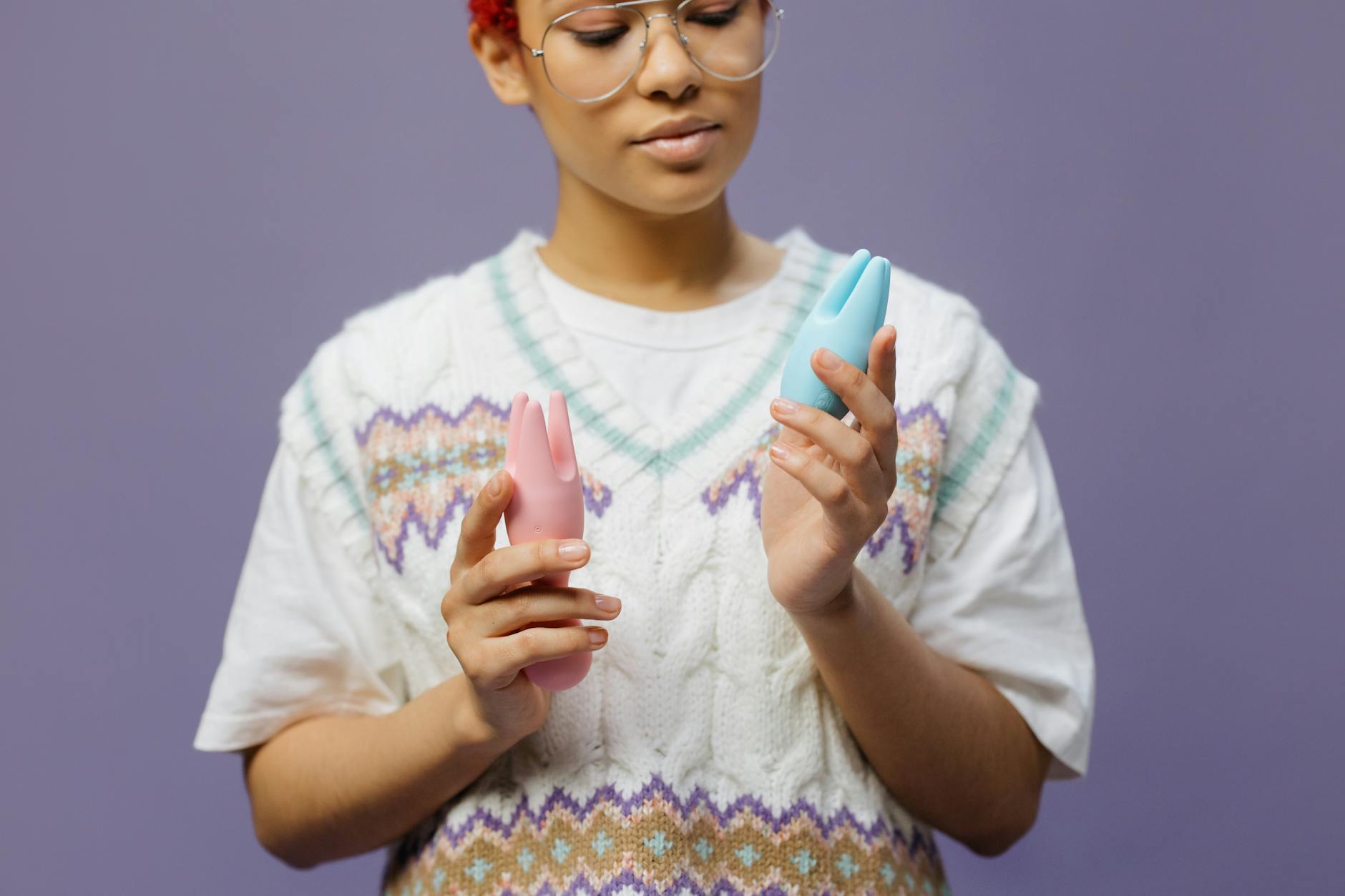
Photo by cottonbro studio on Pexels
When to seek additional support
Use your lemon vibrator consistently for six weeks. If there's no change in sensation, numbness feels overwhelming, or you're having intrusive thoughts during exploration, that's the time to talk to someone.
A trauma-informed somatic therapist or pelvic physical therapist can offer tools that go beyond at-home play. They can also rule out medical factors you might have missed. Sometimes recovery stalls because there's a physiological component your GP hasn't flagged yet. Sometimes it stalls because your nervous system needs professional support to downregulate.
Both are valid. Both are fixable.
FAQ: Recovery and rebuilding pleasure
How long does it usually take to rebuild sensation after trauma or surgery?
Timelines vary wildly depending on the event. After most surgical procedures, light sensation work can start at four to six weeks post-op with medical clearance. For trauma-related numbness, three to six months is common for noticeable progress. The key is consistency, not speed. Two minutes three times a week often works better than 20 minutes once a month because it's less threatening to your nervous system.
Can I use a lemon vibrator if I'm still in active physical pain?
Not usually. If you're experiencing sharp, burning, or shooting pain, your body is signaling that tissue or nerves are still healing. Wait until you're cleared by your GP and pain is down to mild discomfort. Then start very gently. If pain returns while using your vibrator, stop immediately and check in with your doctor.
What if I feel pleasure one day and numbness returns the next?
That's normal. Nervous systems don't heal in a straight line, especially after trauma. Hormones shift, stress levels change, and your body's capacity fluctuates. One step back doesn't erase the steps forward. Keep using your lemon vibrator on the same schedule, even on the numb days. Your nervous system is still learning, even if you can't feel it.
Is it okay to use my lemon vibrator if I haven't told my partner I'm rebuilding pleasure?
Yes. Your pleasure is not contingent on your partner's knowledge or approval. That said, if deception is part of your relationship pattern, that might be worth examining separately with a therapist. Pleasure rebuilding often requires honesty, at least with yourself.
Can antidepressants or other medications slow sexual recovery?
Some medications do affect sensation or orgasm. If you started a new medication around the same time recovery stalled, mention it to your prescriber. They might adjust timing, dose, or medication type. Don't stop taking medication without guidance, but do ask explicitly whether it's affecting sexual response.
How do I know if my recovery has plateaued versus permanently changed?
Plateau usually means no change for two to four weeks despite consistent effort. Permanent change means your body's baseline has shifted. Most people experience some permanent change after trauma or surgery. The question isn't whether things will be exactly as they were. It's whether pleasure is accessible at all. Usually, with patience and the right tools, it is.
The long view
Recovery is not about returning to where you were. It's about arriving at where you're going. Your nervous system has been through something. It's learning to trust sensation again. That takes time.
Lemon vibrators help because they offer predictable, consistent input that your nervous system can gradually relax into. They're not magic. But paired with patience, permission, and presence, they can help you rebuild.
If your progress feels slow, that's not a failure. That's the actual pace of healing. Honor it.
Want to talk through your specific situation? Get in touch. We're here.