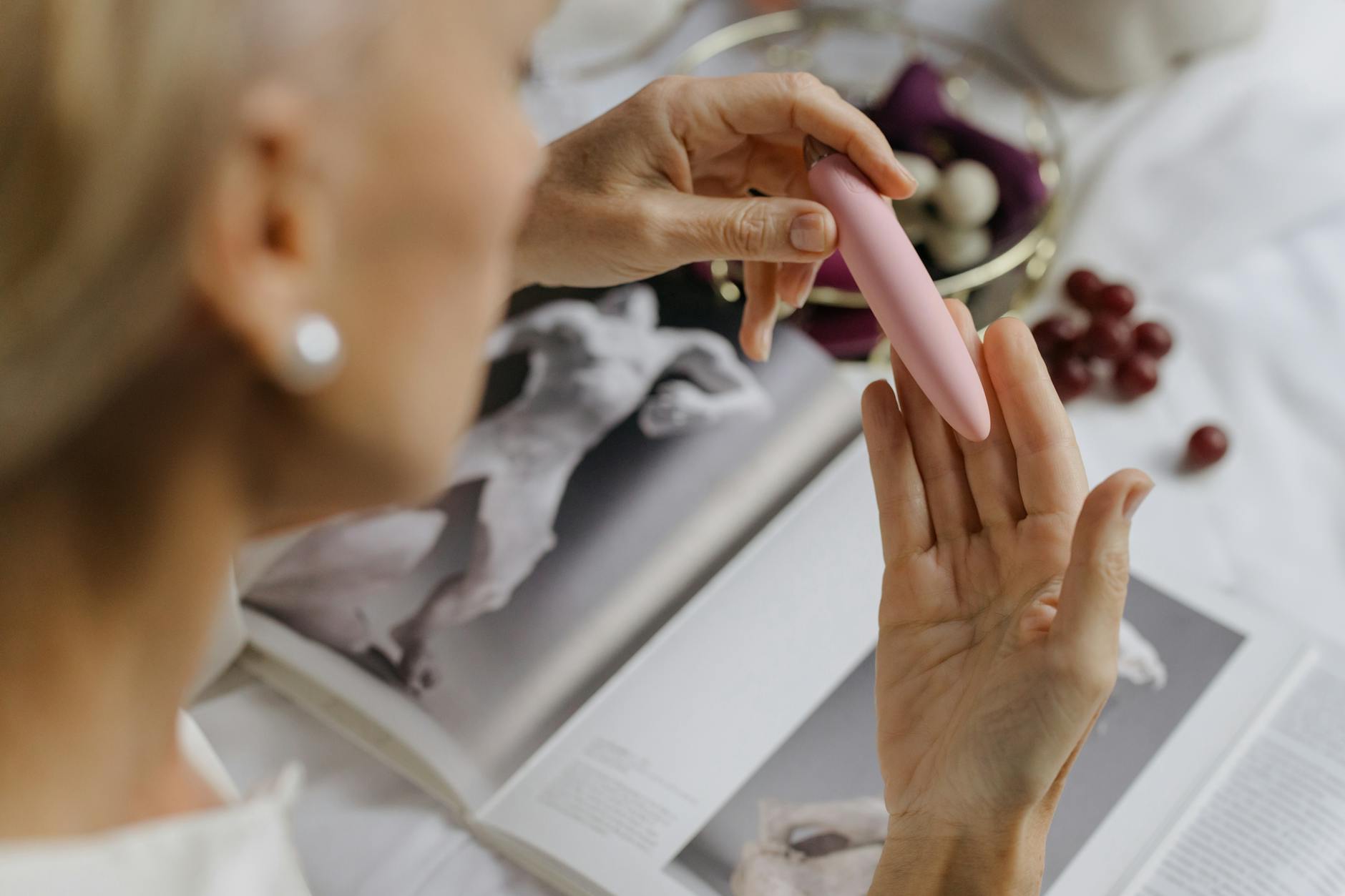
Let's start with the thing nobody explains
Lubrication isn't a dial you set and forget. It's a system that responds to stress, hydration, medication, time of day, what you ate, whether you're thinking about your email, and about forty other variables you can't always control. This isn't dysfunction. It's how bodies work.
The problem is that most guidance assumes lubrication is either "on" or "off," which leaves you feeling broken when it's actually just being variable. And when you're using lemon vibrators for clitoral stimulation, variability creates a real friction problem. The good news: once you know what's actually happening, this becomes predictable and manageable.
What controls your natural lubrication
Three systems are at work.
First: hormones. Estrogen makes tissue thicker and more prone to self-lubrication. If your cycle dips toward lower estrogen (right before your period, or throughout perimenopause), lubrication naturally decreases. This isn't permanent. It shifts.
Second: blood flow and arousal. A body that's genuinely aroused sends blood to the genitals, which triggers lubrication. But arousal is fragile. One stray thought about work, a partner who feels distant, or just being tired pulls blood away. Instant change.
Third: everything else. Dehydration tanks your lubrication. So does alcohol, caffeine in high doses, antihistamines, certain antidepressants, and birth control pills that thin the vaginal lining. Stress constricts blood vessels. Low iron reduces oxygenation. Thyroid dysfunction changes everything.
Most people experience at least two of these factors on any given day. Some days, all three. That's not unusual. That's just existing.
Why lemon vibrators specifically need adjustment
Lemon clitoral vibrators work through suction and pulsing patterns that require skin-to-silicone contact to transmit sensation effectively. Unlike inserted vibrators, they're external, which means they work best when there's a clean seal and consistent pressure.
When natural lubrication is low, two things happen: the seal feels less stable, and the suction pattern can feel too intense on thinner, less-lubricated tissue. This isn't a flaw in the vibrator. It's just physics meeting anatomy.
The Lem and other air-pulse lemon suction vibrators are designed to work with varying lubrication levels, but you have to adjust your approach. That's the part that matters.
The practical adjustments that work
Use external lubricant before you ever need it.
Water-based lubricant isn't a backup plan. It's part of your baseline. I'm not talking about the clinical "you must be hydrated" conversation. I mean: apply a dime-sized amount of good water-based lube to your vulva before you start using your lemon vibrator, regardless of how wet you feel. This does three things. One, it gives you a buffer against sensation intensity. Two, it stabilizes the seal on the vibrator head. Three, it tells your nervous system that the environment is safe and ready, which can actually trigger more natural lubrication.
Start with patterns 1 or 2. When lubrication varies, intensity feels more extreme. Your tissue is more sensitive to direct pressure. Begin at the lowest setting and let your body adjust. You can always turn it up. You can't un-feel intensity that arrived too fast.
Test lubrication before you start.
One-minute self-check: touch your outer vulva with a clean finger. Is it slick, tacky, or dry? This isn't about feeling sexy or broken. It's data. Dry means you need more external lube. Tacky means you're somewhere in the middle. Slick means you can probably use less. Adjust your lube application accordingly.
Time it right.
Lubrication peaks mid-cycle when estrogen is highest. If you menstruate, you probably have better lubrication around day 12-14. It dips after ovulation. If you're on hormonal birth control, your lubrication is lower and more consistent throughout (because your cycle is chemically flattened). If you're perimenopausal, lubrication becomes genuinely unpredictable. Knowing your own pattern is worth tracking for a month or two. You'll start noticing when your body naturally lubes better, and you can time sessions for those windows when possible.
But here's the real part: you shouldn't have to wait for perfect conditions. That's why the next step matters.
When medication or stress is the culprit
If you take SSRIs, antihistamines, or have high baseline stress, your lubrication is probably consistently lower than it was before. This isn't a phase. This is your current baseline. Accept it and work with it instead of waiting for it to change.
Talk to your doctor if lubrication dropped suddenly after starting a new medication. Sometimes switching the timing (taking it after sex instead of before) helps. Sometimes a different medication in the same class has fewer sexual side effects. Sometimes vaginal estrogen cream, topical or systemic, is worth discussing.
But in the meantime, external lubricant is your friend. A quality water-based lube like Hyalo Gyn or Sliquid feels closer to natural lubrication than most. Apply it generously. Reapply halfway through. This isn't cheating. This is working with your body's current reality.
Stress is trickier because it's both hormonal and psychological. Cortisol constricts blood vessels, which blocks blood flow to the genitals, which stops lubrication production. You can't think your way out of this. But you can: take a warm bath first (warmth opens blood vessels), spend five minutes on actual relaxation (not just "trying to relax"), and use your lemon vibrator in a context where you feel genuinely safe and unrushed. Rushing is the enemy of lubrication.
The hydration angle that actually works
Drinking water helps, but it's slower than most people think. Systemic hydration takes hours to reach your genitals. What works faster: hydrate for a few days before you anticipate wanting to use your lemon clitoral vibrator. Drink water consistently. Eat foods with high water content (cucumbers, watermelon, citrus). Skip the dehydrating stuff (alcohol, excess caffeine) the day before.
This sounds boring. It is. It also works.
When to use lube even when you feel wet
This is important. Even if your body is producing natural lubrication, external lube can enhance your experience with lemon vibrators. Here's why: natural lubrication gets absorbed into tissue and can dry out as you use the vibrator. External lube creates a longer-lasting barrier. Plus, if you're using suction-based vibrators, the seal works better with a slick surface.
You're not fixing a problem. You're optimizing for comfort.
The communication piece (if you have a partner)
If you and a partner use a lemon vibrator together, lubrication changes are information, not an issue. "My body feels less lubricated today" is the same as "I need a longer warm-up." It's not rejection. It's not failure. It's just a variable you're naming so you can adjust together.
Bring the lube into the conversation before you need it. Use it without shame or explanation. Model that your body's lubrication is as normal and changeable as your energy level. When partners see you treating this as routine, they stop treating it like a problem.
FAQ: Unpredictable lubrication and lemon vibrators
Why does my lubrication change from day to day?
Your cycle, hydration, stress levels, medication, and arousal state all influence lubrication. On some days, all five are optimized. On others, maybe one or two are working against you. This is normal. If it feels extreme, a gynecologist can rule out conditions like atrophic vaginitis or medication side effects.
Can I use silicone lube with my lemon vibrator?
Most lemon vibrators are made of silicone, so silicone lube can degrade the material over time. Stick to water-based lubrication. It's cleaner for your toy and for your body.
Does using external lube mean my body is broken?
Absolutely not. Professional sex workers, people in long-term relationships, athletes, and everyone with high-demand careers use lube regularly. It's a tool that works with your body, not against it. The Lem and other lemon sexual toys work better with it in most scenarios.
What if I use the Lem and it feels too intense on dry tissue?
Start with pattern 1 and add water-based lube before you begin. The combination of lower intensity plus lubrication usually solves this. If it still feels uncomfortable, you might benefit from a longer warm-up or a session on a lower-intensity lemon clitoral vibrator first to get blood flowing.
How much lube do I actually need?
About a dime to quarter-sized amount on your outer vulva, then reapply if you're going for longer than 10-15 minutes. You want enough to reduce friction without so much that it becomes slippery and the vibrator loses contact.
Should I worry if my lubrication is consistently lower than it used to be?
Maybe. If it happened gradually over years, it's often just aging and hormonal shifts. If it happened suddenly after a medication or life change, mention it to your doctor. Either way, external lubrication is a perfectly valid long-term solution.
The thing to remember
Lubrication variability isn't a sign that you're doing something wrong. It's a sign that you're a human body responding to a complex set of internal and external factors. Once you accept that, you can stop fighting it and start working with it.
Use lube. Start low on intensity. Hydrate. Manage stress when you can. Track your own patterns so you understand your body better. And if you're using a lemon vibrator, know that the device works beautifully across different lubrication levels. You just need to adjust your approach.
Your pleasure isn't dependent on your body performing perfectly. It's dependent on you understanding how your body actually works and using the tools that support that reality. That's what this is about.
If something feels genuinely off or painful, reach out to our team or a healthcare provider who specializes in sexual health. Otherwise, grab the lube and trust that your body isn't broken. It's just variable. And variable is totally fine.