The strange part nobody warns you about
Depression flattens everything. Sex drive, pleasure, the ability to feel touched, the desire to be touched. Then one day the fog starts lifting, medication kicks in differently, or therapy clicks into place. And you expect desire to come rushing back like a light switch flipping on.
Here's what actually happens: it doesn't. Or it does, but weirdly, or incompletely, or in ways that don't match what you remember. That mismatch can feel confusing or even shameful. But it's completely normal and actually really common.
What depression does to desire (and why it matters)
Depression doesn't just kill the mood. It rewires how your nervous system responds to pleasure signals. Your brain literally gets slower at processing sensation. When you're depressed, the circuits that fire for anticipation, arousal, and satisfaction all run on dim. Even if you intellectually know you want sex, your body might not be caught up yet.
When depression lifts, those circuits don't immediately snap back to normal. They rebuild slowly. Some people report that sensation feels muted for weeks or months after their mood improves. Others feel touch but it reads as anxiety instead of pleasure. And some experience what feels like a gap between desire (wanting to want) and actual sexual response.
Medication complicates this too. SSRIs and many antidepressants can flatten arousal and orgasm capacity as a side effect. If you've switched medications recently or are adjusting doses, your body might be recalibrating on multiple levels at once.
Why lemon vibrators are actually helpful here
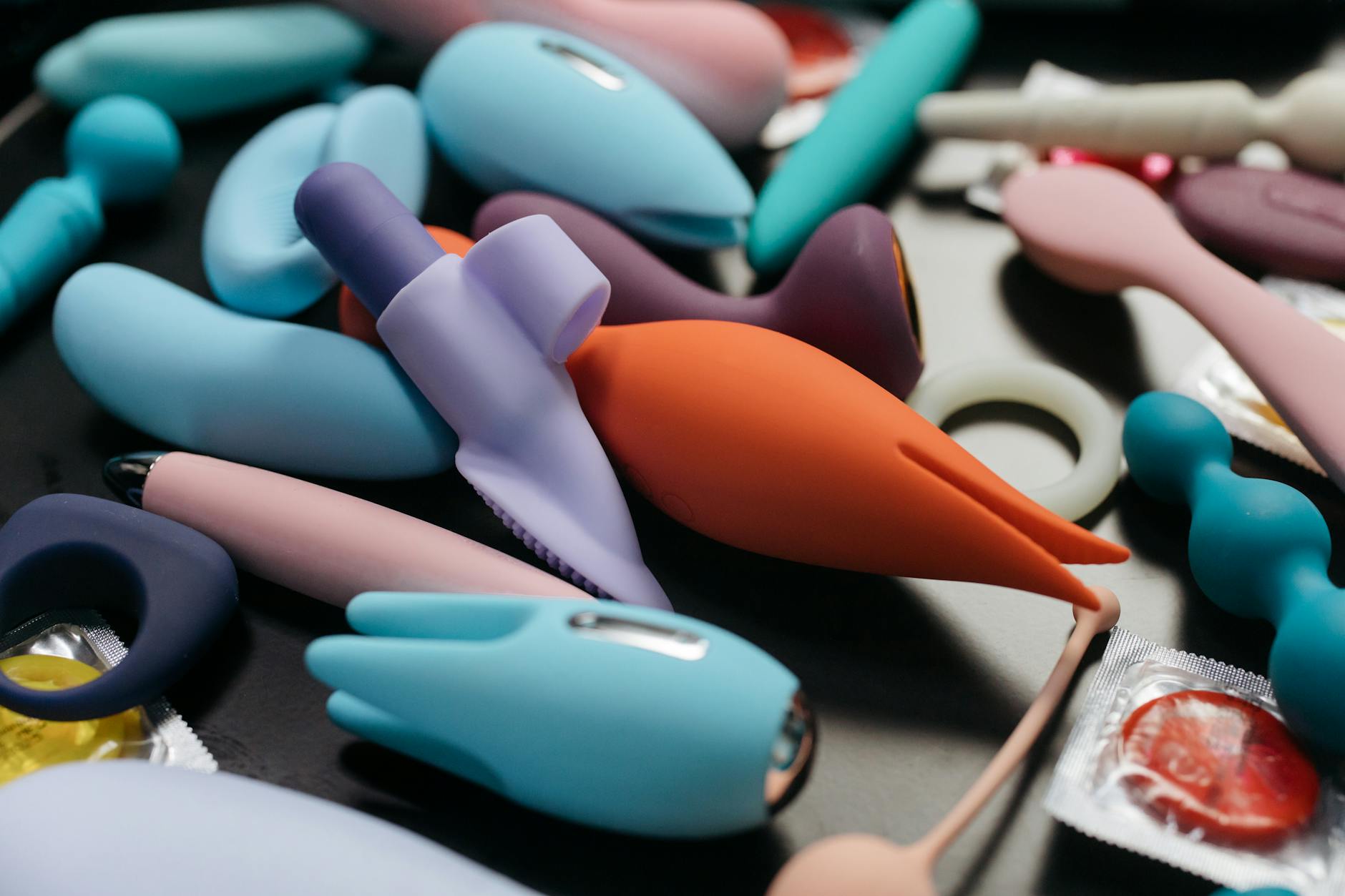
Lemon vibrators, including air-suction designs like the Lem, work differently from traditional vibrators in a way that matters when you're rebuilding sensation after depression.
They don't require a lot of active participation from your nervous system. With a wand or bullet vibrator, you have to stay engaged, direct the stimulation, decide if it feels good or not. That decision-making can feel effortful when you're emerging from depression.
Air-suction vibrators create a kind of sensation that's harder to ignore. The suction technology stimulates nerve endings in a way that's harder for a dampened nervous system to tune out. You don't have to convince yourself it feels good. It either does or it doesn't, and the feedback is immediate and unmissable.
For people rebuilding pleasure, that clarity is actually really valuable.
The practical framework for starting again
Here's what I recommend to clients who are navigating desire returning after depression.
Start solo, not partnered. This removes the layer of performance anxiety or pressure to reciprocate. When your nervous system is still healing, partner sex often reads as a task instead of a pleasure. Give yourself permission to explore alone first.
Begin with touch that's not sexual. Before you reach for any lemon vibrator, spend a week or two simply touching your body without expectation. Shower, lotion, massage your own shoulders and arms. The goal is to reacquaint your nervous system with the sensation of touch as safe and neutral. This sounds basic but it's crucial. Your body needs to remember that touch doesn't have to lead somewhere.
When you introduce your lemon vibrator, start on the lowest setting. Not because you're broken, but because sensation that feels intense when you're depressed-adjacent can feel overwhelming when you're not. Your nervous system is learning to process pleasure signals again. Low intensity gives it room to do that without flooding.
Set a timer for 10-15 minutes maximum, at first. Pleasure fatigue is real when you're rebuilding. Your nervous system can only process so much before it checks out. Better to stop while it still feels good than to push until it feels like nothing.
Don't chase orgasm. This is the biggest mistake people make. When desire returns, there's often this urgency to prove it's really back by having an orgasm. Orgasm is not the finish line here. Sensation, arousal, any kind of pleasurable response is the win. If an orgasm happens, great. If it doesn't, you've still accomplished something your nervous system needed.
What you might feel (and why it's fine)
When you first use lemon vibrators after depression, you might experience any of these and all of them are completely normal.
Numbness or muting. The sensation is there but it doesn't feel intense or significant. Your nervous system is still recalibrating. Keep going, keep exploring. The intensity will build.
Anxiety instead of arousal. The vibration triggers something that reads as nervous energy instead of pleasure. This usually means you're moving too fast or the setting is too intense. Dial it back, breathe, maybe pause for a day or two.
Physical response without emotional desire. Your body gets aroused but you don't feel "in the mood." This is incredibly common and not a sign something is wrong. Your nervous system and your mind are on different timelines. That's okay.
Waves instead of steady pleasure. You feel good, then neutral, then good again. Not a smooth climb toward orgasm. This is normal and actually shows your nervous system is learning to register peaks and valleys in stimulation, which is progress.
How to handle this with a partner
If you have a partner, communication is where the real work happens. Here's what I mean.
First, separate the conversation. "I'm exploring pleasure on my own as part of my recovery" is different from "I want us to have more sex." Your partner doesn't need to be involved in every stage of you rebuilding sensation. In fact, it often helps if they're not.
Second, name what's happening. "My desire is returning but my body is slow to catch up" tells your partner this isn't about them. Silence or vagueness makes partners assume they're the problem. Clarity, even if it's uncomfortable, prevents resentment.
Third, set expectations that don't involve performance. "I'm going to use a lemon vibrator and see what I feel" is a solo project. But "Would you be comfortable being in the room while I explore?" is a different project that might feel connecting without requiring anything from either of you.
Fourth, protect your partner from the pressure to fix it. If they ask "Can I help?" your answer might be "Not yet. Let me rebuild this on my own and I'll let you know when I'm ready." That's not rejection. That's self-protection and honesty.
When to loop in your doctor or therapist
If weeks go by and desire isn't budging at all, that's worth mentioning to your prescriber. It's possible your medication dose needs adjustment or a switch to something with fewer sexual side effects.
If anxiety consistently crowds out pleasure when you're using a lemon vibrator, that's worth exploring with your therapist. Sometimes depression leaves behind some anxiety, and that anxiety needs its own attention.
If you're experiencing pain or discomfort during self-exploration, that's a signal to pause and check in with a healthcare provider.
But if you're just moving slowly, feeling sensation gradually return, having confusing emotional experiences alongside physical ones? That's recovery. That's normal. That's worth patience.
The honest timeline
Desire doesn't return on a schedule. For some people it takes three weeks. For others it's three months. For a few it's closer to six months. All of these timelines are fine.
What matters is that it's moving. That you're exploring without pressure. That you're using tools like lemon vibrators that meet your nervous system where it actually is instead of where you think it should be.
The return of pleasure after depression is not a straight line. It's not guaranteed to feel like it did before depression. Sometimes it feels better because you appreciate it differently. Sometimes it feels weirder because your body has changed. Both of those are recoveries.
Your job is just to show up, be patient with your body, and keep exploring. The pleasure comes back when it's ready. Lemon vibrators just make that exploration a lot less lonely.
People also ask
Can I use a lemon vibrator if I'm still taking antidepressants?
Completely yes. Using a lemon vibrator while on an SSRI or other antidepressant is safe and actually pretty common. Medication side effects on sexual function are real, but they don't mean you can't explore pleasure. In fact, exploring can sometimes help you notice if a side effect is severe enough to warrant a conversation with your doctor about adjusting dose or switching medications.
How do I know if my lack of desire is depression returning or just normal low libido?
Depression-related desire loss usually comes with other mood symptoms. Flatness, lack of interest in things you normally enjoy, sleep changes, energy shifts. Just low libido without those other signs might be hormonal, relational, or just how your body is right now. If you're unsure, ask your therapist or doctor. They can help you distinguish between the two.
What if my partner wants sex but I'm not ready and don't know when I will be?
Tell them. "I'm not ready for partnered sex yet and I don't have a timeline for when I will be" is an honest sentence. It's uncomfortable but it's better than silence or pretending. Give them permission to have feelings about that too. Your recovery isn't their responsibility but your honesty is.
Is it okay to use a lemon vibrator every day when rebuilding desire?
Yes, but with a caveat. Daily exploration is fine as long as it doesn't start to feel like a task or an obligation. The moment it becomes "I have to do this" instead of "I want to try this," scale back. Quality over quantity always.
Should I tell my therapist I'm using a lemon vibrator for recovery?
If you have a therapist who specializes in sexual health or somatic work, absolutely. It's relevant clinical information. If your therapist is more general practice, you don't have to, but it might be worth mentioning if you want support thinking through what you're discovering about your body.
What if I use a lemon vibrator and feel nothing?
Then you pause for a few days and try again. Feeling nothing is different from feeling pain or distress. It might just mean the timing wasn't right or your nervous system wasn't ready. Some clients tell me it took three or four attempts before sensation clicked in. Be patient. Your body will let you know when it's ready.
The reset you actually deserve
Depression takes a lot from you. It takes mood, energy, connection, and yes, desire. When it lifts, you don't get all of it back at once. You get to rebuild it slowly, piece by piece, with tools that actually work for your nervous system.
Lemon vibrators are one of those tools. Not because they're magical, but because they create sensation in a way that's easy for a recovering nervous system to register and enjoy. That matters.
Your pleasure is worth rebuilding. Your body is worth exploring again. And you deserve to do that at your own pace, without shame or pressure. That's where real recovery happens.