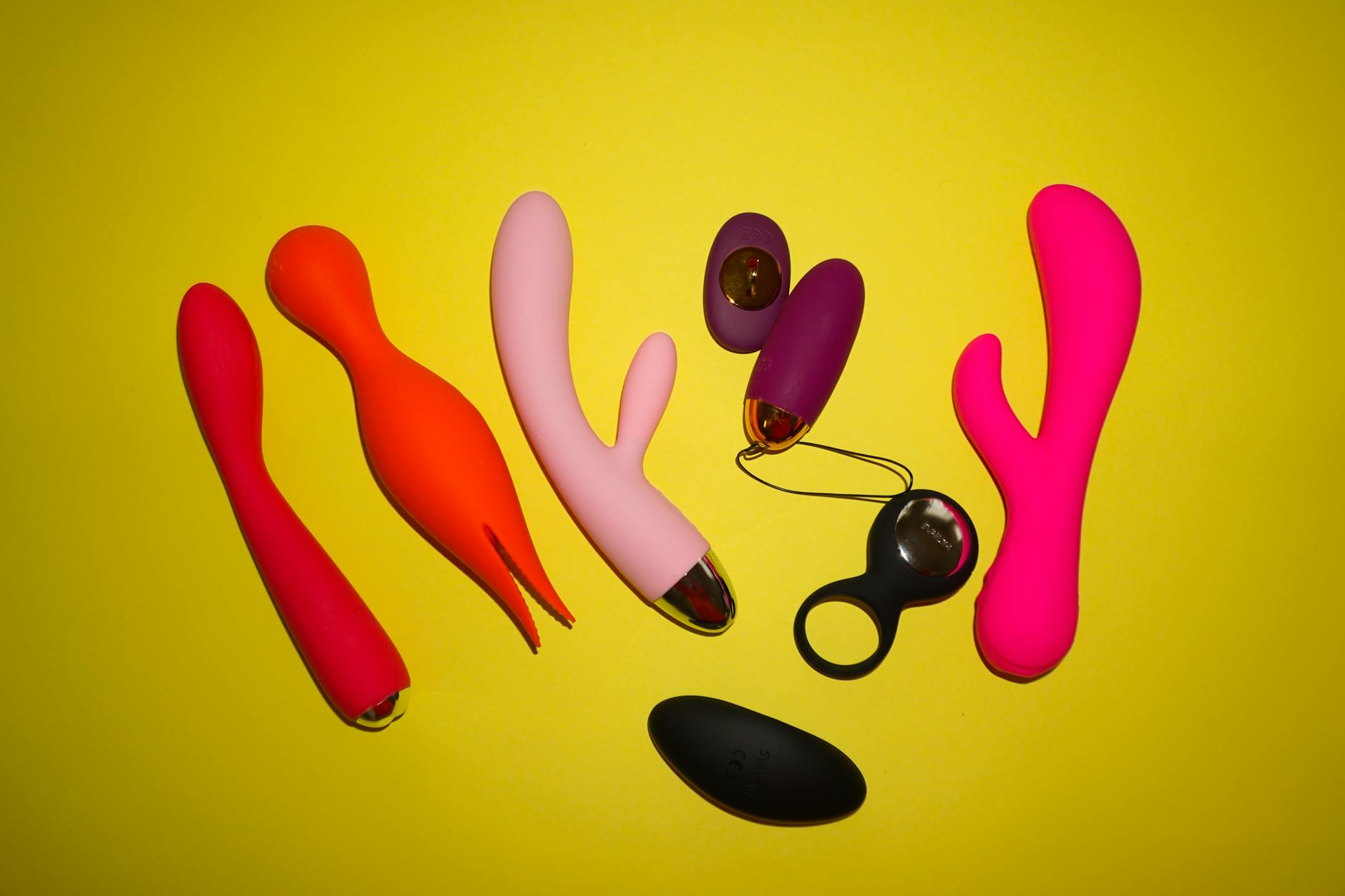
Let's talk about refractory periods
Your body used to bounce back faster. One orgasm rolled into another with barely a breath between them. Now there's actual space. Minutes. Sometimes longer. It's not broken. It's not less. It's just different.
Refractory period is the window your nervous system needs to reset after climax before it can build toward the next one. In your twenties, that might be seconds. By your forties, fifties, or after hormonal shifts, it stretches. This is so common that feeling frustrated about it is almost guaranteed.
Here's what changes: not your capacity for orgasms, but the rhythm of how you get there.
What actually happens during the refractory period
After orgasm, blood flow to the clitoris decreases. The vaginal and clitoral tissues become less sensitive temporarily. Prolactin, a hormone released after orgasm, tells your brain you're done. Oxytocin (the bonding hormone) floods in, making you want to relax. This is your body's way of saying: rest.
But here's the thing. This refractory period isn't one fixed window. It's influenced by:
- Estrogen and testosterone levels (which drop with age, hormonal birth control, and perimenopause)
- Stress and nervous system state (chronic activation shortens recovery time sometimes, or lengthens it through exhaustion)
- How intensely the first orgasm was (bigger peak often means longer recovery)
- Blood pressure and cardiovascular fitness
- How much attention you're paying to your body versus distraction
Most people assume the refractory period is fixed biology. It's not. It's malleable. And lemon vibrators are one of the most efficient tools for working with it, not against it.
Why lemon clitoral vibrators change the game for multiple orgasms
Traditional vibrators rely on you feeling the same thing repeatedly. After an orgasm, direct vibration often feels too intense or numb. You need novelty. You need stimulation that feels fresh.
Lemon vibrators, especially air-suction clitoral vibrators like the Lem, work differently. Instead of continuous buzzing, they pulse gentle suction. This feels completely different from a standard vibrator because they're stimulating nerve clusters rather than overwhelming them with friction.
After an orgasm, your clitoris is swollen and hypersensitive. Suction-based stimulation on a lower setting feels like a gentle massage instead of relentless pressure. This means you can often stay engaged and build arousal again without that moment of "too much, too soon" that derails multiple orgasms.
The pulsing pattern also interrupts prolactin's signal more effectively. Your brain doesn't get the full "we're done" message when sensation is cycling rather than sustained. It's not tricking your body. It's just speaking its language more fluently.
The practical setup for back-to-back orgasms
If you want multiple orgasms and your refractory period has lengthened, start here:
Step one: longer warm-up on the first orgasm. Spend 15 to 20 minutes building to that first peak instead of rushing. Use patterns 1 through 3 on the Lem, start low, let your body have time to fully awaken. A more gradual first orgasm sometimes shortens the recovery needed.
Step two: switch stimulation immediately after. The moment orgasm peaks, you have maybe 30 seconds before sensitivity spikes. Keep contact but drop to the gentlest suction pattern. Many people find pattern 1 or a pulsing mode feels amazing right after orgasm when direct vibration would feel overwhelming.
Step three: let your mind wander slightly. This sounds counterintuitive, but staying hyper-focused on sensation after orgasm can actually extend refractory time. Take 60 to 90 seconds to enjoy the feeling without pushing toward the next one. Then gently return focus as your body signals readiness.
Step four: build the second orgasm differently. Don't replicate the first one. Switch patterns, change speed, maybe shift angle. Novelty is what breaks through that refractory ceiling. The Lem's multiple settings exist for exactly this reason.
The role of lubrication and tissue health
Your clitoral tissue quality matters for refractory periods. If tissue is thinner or drier due to hormonal shifts, refractory periods often lengthen because the body is being more protective. Adding proper lubrication isn't just about comfort. It's physiology.
Water-based lubricant reduces friction and allows lemon vibrators to glide smoothly even in the sensitive window after orgasm. This matters because it means your body doesn't have to tense protectively, which actually extends recovery time.
Apply lube before starting and refresh between orgasms if needed. Your clitoris self-lubricates with arousal, but after that first orgasm, adding a bit extra creates a buffer that lets you stay engaged without tissue stress.
Pelvic floor tension and multiple orgasms
Most people think about kegels (contracting the pelvic floor). But for multiple orgasms across a longer refractory period, the opposite movement matters more: relaxation.
A tense pelvic floor actually prolongs refractory time because the muscles are exhausted from the first orgasm and need recovery. If you can learn to relax the pelvic floor between orgasms, you shortcut that recovery window.
Before using your lemon clitoral vibrator, spend 30 seconds consciously softening your pelvic floor. Imagine the muscles unclenching, spreading wide. During stimulation between orgasms, maintain that softness rather than gripping. This single shift makes multiple orgasms feel less like chasing something and more like a natural flow.
Many people find that when sensation builds slowly over time, pelvic floor awareness becomes even more important, since tension compounds the difficulty.
The partner dimension
If you're exploring multiple orgasms with a partner, the refractory period becomes a conversation instead of a solo problem. Some partners expect you to want the same thing they want. They don't realize your body has changed.
Here's what works: frame it as an exploration together. "I want to try something different" lands better than "my body doesn't work like it used to." Using a lemon sucker or clitoral vibrator during partnered sex isn't replacing them. It's including a tool that makes your pleasure possible in a new timeline.
For many couples, the shift to longer refractory periods actually improves sex. It slows everything down. It makes each orgasm feel more intentional instead of rushed. That's not a downside. That's a different kind of intimacy.
If you've felt disconnected from your body after major relationship shifts, reframing your refractory period as information rather than failure can help you reconnect to what your body is actually asking for.
How many is realistic
Honestly, multiple doesn't always mean three or four. For some people with lengthened refractory periods, two orgasms in one session is the realistic win. For others, it's possible to have four or five if you're patient and using the right stimulation.
The number doesn't matter. What matters is whether it feels good to you and whether you're working with your body's actual timeline instead of fighting it.
Lemon vibrators help because they don't require your body to do anything dramatic. You're not straining toward intensity. You're using precise stimulation that aligns with how your nervous system is actually functioning at different points in arousal.
When to check in with yourself
If refractory period has lengthened significantly and multiple orgasms feel impossible even with good tools, a few things are worth exploring. Hormonal shifts are common culprits, but so are medications, stress levels, and sometimes relationship dynamics that create tension you're not consciously aware of.
There's no rule that says you need multiple orgasms. One good orgasm is plenty. The only reason to chase multiples is if they feel genuinely pleasurable to you, not if they feel like an obligation or a performance metric.
That said, if multiple orgasms used to feel natural and now they don't, it's worth understanding why. Sometimes it's a simple fix. Sometimes it's information about what's actually going on in your body or your life.
FAQ
How long should I wait between orgasms when using lemon vibrators?
There's no universal timeline. Most people find that keeping light contact and low stimulation for 60 to 90 seconds allows the nervous system to reset while staying engaged. Some people need two to three minutes. Listen to what your body signals. When arousal starts building again without you forcing it, you're ready.
Will using a lemon clitoral vibrator actually shorten my refractory period?
Not permanently, no. What it does is work with your refractory period rather than fight it. The suction-based stimulation feels different enough after orgasm that your body doesn't register it as "too intense," which means you can stay in the pleasure zone while your nervous system recovers. That's not changing biology. It's using better tools.
Can I use the same lemon vibrator pattern for multiple orgasms or should I switch?
Switching is usually more effective. After an orgasm, your clitoris feels different. The same pattern that brought you to climax often feels numbing or too intense right after. Dropping to a lower speed or switching to a pulsing pattern (if your vibrator has options) gives your nervous system fresh input, which actually shortens perceived refractory time.
Is it normal for multiple orgasms to feel less intense than a single strong one?
Completely normal. When you're spreading arousal across multiple peaks instead of building to one massive one, each individual orgasm might feel less intense. That doesn't make them less valuable. Many people find multiple smaller orgasms more satisfying overall than one huge one, especially when that one orgasm leaves them exhausted.
What if my partner finishes before I'm ready for my second orgasm?
That's a logistics conversation, not a pleasure problem. Some couples use lemon vibrators during partnered sex specifically to manage different timelines. Others take turns. Others find that exploring solo play with tools removes the pressure of synchronization. There's no wrong answer. The answer is whatever feels good to both of you.
Can hormonal changes explain why my refractory period got longer?
Most likely yes. Estrogen and testosterone both affect how quickly your nervous system recovers after orgasm. Perimenopause, menopause, hormonal birth control changes, and aging all shift those levels. A good conversation with a healthcare provider who understands sexual function can clarify what's happening. Sometimes supplementing or adjusting birth control helps. Sometimes it's just knowing your body's new normal and working with it.
The real shift
Refractory periods lengthening isn't a loss. It's information. Your body is telling you something about what it needs now. Lemon vibrators help because they let you listen to that information without judgment or force. They're precise enough to work with tissue that's more sensitive. They're flexible enough to feel different across multiple peaks. Most of all, they let you stay curious about pleasure instead of defensive about what's changed.
Multiple orgasms aren't the measure of good sex. But if they matter to you and your body's timeline has shifted, the tools you use and how you approach recovery make all the difference. That's not settling. That's getting smarter about what actually works.