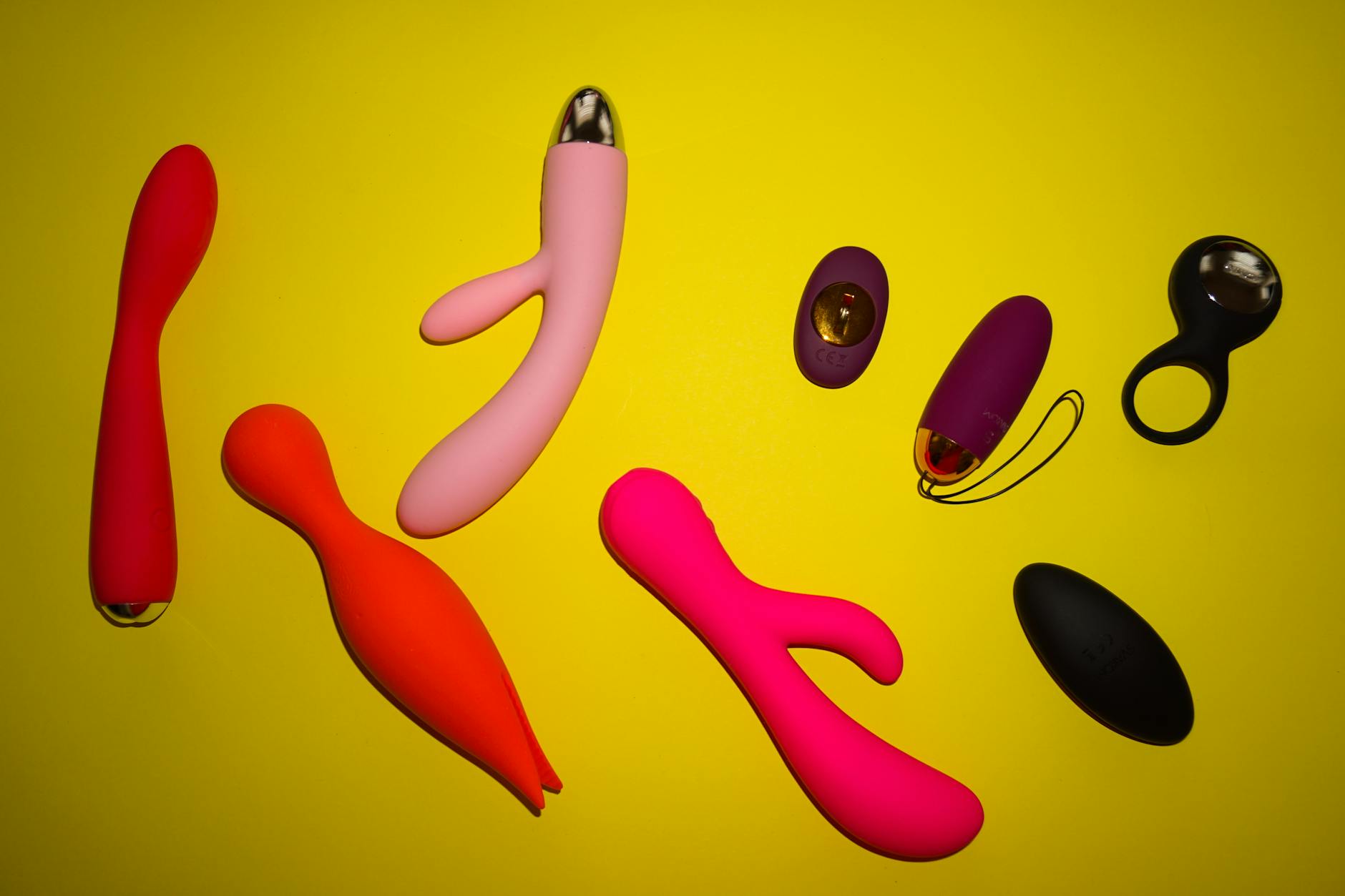
Let's talk about the thing everyone's afraid to bring up
Introducing a lemon clitoral vibrator early in a new relationship feels risky. What if your partner thinks you're not satisfied? What if they feel replaced? What if the moment gets weird and you both freeze?
Here's what actually happens. The couples who talk about toys early, use them together, and normalize them as a tool for shared pleasure end up with better sex, deeper trust, and less resentment down the road. The couples who don't? They often spend years wondering why orgasms feel distant and intimacy feels like work.
The timing question (it's not as late as you think)
There's this myth that you need to be in a relationship for six months before mentioning toys. That's backwards. The best time to talk about lemon vibrators and clitoral pleasure is actually much earlier. After you're comfortable being naked together but before you've fallen into a rhythm. So maybe three to eight weeks in, depending on how often you're seeing each other.
Why? Because at that stage, you're both still in the vulnerable, honest phase. You're asking each other real questions. You're being truthful about what feels good and what doesn't. Once a pattern sets in around sex, changing it feels like criticism. "I actually need more clitoral stimulation" reads as "what you've been doing isn't working" instead of what it actually is: sharing preference.
If you're already past that window in your relationship, don't panic. We'll cover that too. But the neurochemistry is simpler when you introduce it early.
How to actually start the conversation
Forget the dramatic reveal. You're not proposing. This is just information.
The easiest opener is during a non-sexual moment. On the couch, in bed before you're trying to do anything, over breakfast. Something like: "I really like what we're doing together, and I've been thinking about what would make things feel even better for me. Have you ever used toys with a partner?" That question does three things at once. It compliments them. It frames toys as something that enhances what's already good. And it asks about their history without judgment.
If they say yes, great. You're probably going to have an easier conversation. If they say no or they're hesitant, the next move is simple: "I think it might be fun to try together. There's something called a lemon vibrator. It's not like the older stuff. It works completely differently." And then you explain what suction stimulation actually does.
Most people don't understand how lemon vibrators work. They think all vibrators are the same buzz. They're not. A lemon clitoral vibrator uses gentle suction instead of vibration, which means it feels less intense, more precise, and honestly, more pleasurable for a lot of people. Saying "it's a suction toy, not a traditional vibrator" instantly changes the vibe from intimidating to interesting.
The vulnerability piece (this is where trust actually builds)
Here's something that couples therapists know but people don't talk about enough. The moment your partner sees you reach for a toy and use it without shame, something shifts. You're telling them, with your body, "my pleasure matters to me. I'm not performing. I'm being real."
That's powerful. And partners respond to it.
When you introduce a lemon vibrator together, you're not asking your partner to do something different. You're inviting them into something more honest. You're saying, "here's what my body actually responds to," and you're letting them be part of learning that. Some couples find that the first time they use a lemon clitoral vibrator together is the first time they see their partner have a real, uninhibited orgasm. That changes everything.
The vulnerability goes both ways. When you bring up toys, you're also creating space for your partner to say what they want. "I actually want to slow down more." "I'm worried about lasting long enough." "I'd like to try something different." Those conversations barely happen in relationships. Toys give them permission to happen.
What to actually do the first time
Start slow. Like, slower than you think.
Set aside time when you're not exhausted and don't have somewhere to be. This isn't a quickie situation. You want to explore what feels good without pressure. Some partners like to watch first. Others want to try it right away. Read the room.
Begin with external stimulation on the lowest setting. A lemon vibrator or lemon sucker (different sensation, same idea) starts at about 40 percent of its intensity, so there's nowhere to go but up. You're not trying to have an orgasm. You're trying to see how it feels. Honestly, most people are so nervous the first time that anything intense would be too much anyway.
What you're really doing is building a map. Does this feel good on the right side? The left? What happens if we use it in a different pattern? What if your partner holds it while you guide them? The pleasure part comes later. The first time is about discovery and trust.
Why lemon vibrators specifically work for this
Clitoral vibrators like the lemon vibrator are designed for external pleasure, which means there's no performance anxiety. You're not trying to achieve penetration or last a certain amount of time. You're just exploring sensation. That's already lower stakes.
The suction design of a lemon clitoral vibrator also means it doesn't overstimulate. Traditional vibrators can feel buzzy and intense. A lemon sucker or lemon vibrator builds sensation gradually. That matters when you're nervous. You're not getting shocked into pleasure. You're being guided there.
And practically, a toy like a lemon vibrator is easy to introduce and remove from the equation. If something feels off or you both want to switch gears, it's right there and then it's not. Low commitment. High control.
What to do if your partner says no (or not yet)
There's a difference between "no" and "not yet." Listen for which one it is.
If it's "not yet," ask what would make them more comfortable. "I want to wait a few months." Okay. You can respect that timeline. "I'm worried about pain." Okay. That's information. You can address it. "I don't understand how it would work with penetration." Perfect. That's a question you can answer.
If it's a hard no, you have a bigger conversation to have. And honestly, that conversation is more important than the toy. A partner who's completely opposed to sex toys usually has a reason. Sometimes it's insecurity. Sometimes it's religious or cultural. Sometimes they've had a bad experience. Sometimes they just don't like the idea. You need to know which.
Some couples find that once they address the actual concern (insecurity, religious conflict, whatever), the toy becomes possible. Others decide that toys aren't for them, and that's also fine. What's not fine is having one person wanting more exploration and the other refusing to discuss it. That's the real issue.
The connection part (why this matters beyond orgasms)
Let me be clear. You're not using a lemon vibrator because you need to fix your relationship or because the sex is bad. You're using one because you're curious, because pleasure matters, because you want to know your partner's body better and have them know yours.
Couples who use toys together report higher satisfaction not because the toys are magic, but because they've had to be honest about sex. They've had to say what they want. They've had to see their partner's pleasure as real and important. That's the shift that changes things.
Introducing something like a lemon clitoral vibrator early in a relationship gives you permission to keep having these conversations. When things shift in a few years (stress, kids, work, aging), you already have language and trust built in. You're not starting from scratch.
If you're already further in and want to introduce toys now
The conversation is slightly different, but not harder. "I've been thinking about something I want to try, and I'd feel better if we explored it together. Would you be open to that?" Tone matters here. You're not frustrated. You're not saying "we need to fix this." You're saying "I want us to explore something new."
It might take more time if you're already in a pattern. Your partner might need reassurance that this isn't about dissatisfaction. But if the relationship is solid, most partners will say yes to trying something once. And often, once they see how it works and how it makes you feel, they're in.
FAQ
How do I know if my partner will be into it?
You won't know until you ask. But here's the thing. The question isn't "are you into toys?" It's "are you interested in exploring what makes us both feel good?" Most people say yes to that framing. They might be hesitant about the execution, but the underlying desire is usually there.
What if using a lemon vibrator makes my partner feel insecure?
That's worth talking about directly. "I want to make sure you know that this is about exploring sensation together, not about you not being enough." Some partners need to see how it works first. Some need to use it on you. Some need you to use it on them. There are a lot of ways to make it collaborative instead of solo. But if the insecurity is deep, that might be a couples counseling conversation worth having separately.
Can we use a lemon clitoral vibrator during penetration?
Yes. External stimulation during penetration is actually really common and often makes orgasms easier for people with vulvas. A lemon vibrator can be held against the clitoris while you're penetrating, or used before or after. The toy doesn't interfere. That said, some people prefer toys separately from partnered sex at first, and that's fine too. You'll figure out what you both like.
Is it weird if I already use toys and my new partner doesn't know?
No. You don't have to disclose your solo pleasure practices. But at some point, if you're building a sexual relationship, it makes sense to mention that you use toys sometimes. You can frame it simply: "I like using a lemon vibrator when I'm alone, and I'd love to explore that with you too." That's not oversharing. That's being honest.
How often should we use a lemon vibrator together?
There's no rule. Some couples use them every time. Some use them occasionally. Some use them for a while and then stop. It's a tool, not a requirement. Use it when it feels good to you both. If you find you're relying on it for every orgasm, you might want to vary things. But if it's part of your regular rotation, that's completely normal.
What if I orgasm with the toy but not with my partner alone?
First, that's incredibly common and not a sign anything is wrong. Second, it's actually information. Orgasm with a clitoral vibrator and orgasm with penetration involve different nerve pathways and sensations. You might need both, or you might find that once you've orgasmed with the toy, partnered sex feels different and better. The key is not turning this into a problem. You're learning about your own pleasure. That's the goal.
The bottom line
Introducing a lemon vibrator or lemon clitoral vibrator early in a new relationship isn't awkward if you frame it as what it actually is: a conversation about pleasure and honesty. The couples who do this tend to have better, more open sex lives because they've built trust around vulnerability. And trust is the actual thing that makes good sex sustainable. The toys are just the vehicle.
If you want to talk through how to navigate this conversation in your specific situation, reach out. That's what I'm here for.