
Let me be honest about what happens after fifteen years
You're still attracted to your partner. You still love them. But somewhere between the mortgage payments, the career pushes, the kids or aging parents or just the weight of daily life, sex became another item on a list instead of something you actually wanted. This isn't a relationship failure. It's what happens to most long-term partnerships when pleasure stops being a priority.
Here's the thing nobody tells you: you can't think your way out of a sensation problem. Your brain has learned that this familiar body produces familiar sensations, and familiar sensations no longer activate desire. The fix isn't communication (though that helps) or scheduling sex (though that helps too). The fix is novelty. Specifically, the kind of novelty that your nervous system actually notices.
Lemon clitoral vibrators, and suction-based stimulation in general, work here because they introduce a sensation so different from what your body's been receiving that it forces neural attention. You can't zone out during suction play. Your brain wakes up.
Why midlife partnerships specifically lose sensation
After a decade or more together, your brain has optimized your partner's touch into a pattern. Patterns are efficient. They're also boring to your nervous system. Every neuroscientist agrees: novelty activates the dopamine system. No novelty, no dopamine release. No dopamine release, no desire.
The second thing that happens is you stop paying attention to your own pleasure. Partners in long-term relationships often shift into a rhythm where one person initiates, the other responds, and you're not really present for either. You're thinking about tomorrow or what's happening downstairs or whether you locked the door. A lemon vibrator demands presence because the sensation is unfamiliar.
The third piece is physiological: the clitoris has roughly 8,000 nerve endings, but years of the same touch pattern means those nerves are responding to an established rhythm. New stimulation recruits different nerve fibers. Suction technology specifically activates both surface and deeper nerve clusters simultaneously, which is why it feels so distinctly different from vibration alone.
What actually changes when you introduce a lemon vibrator to the bedroom
First, the sensation itself is novel. Suction feels nothing like fingers or traditional vibrators. It's more diffuse, less directly intense, and recruits a wider sensory field. Many people describe it as a "fullness" rather than a vibration. Your nervous system notices this immediately.
Second, you have to communicate about it with your partner. That conversation alone breaks the autopilot rhythm you've fallen into. "Do you want to try this?" opens a dialogue that probably hasn't happened in years. Even if the answer is no at first, you're talking about pleasure again. You're acknowledging that pleasure matters.
Third, the physical experience of using a lemon clitoral vibrator together, or having a partner hold it while you explore, reintroduces novelty into touch. Your partner is watching your response to something new. You're experiencing sensation you haven't felt before. Biologically, this activates the mesolimbic dopamine pathway that drives desire.
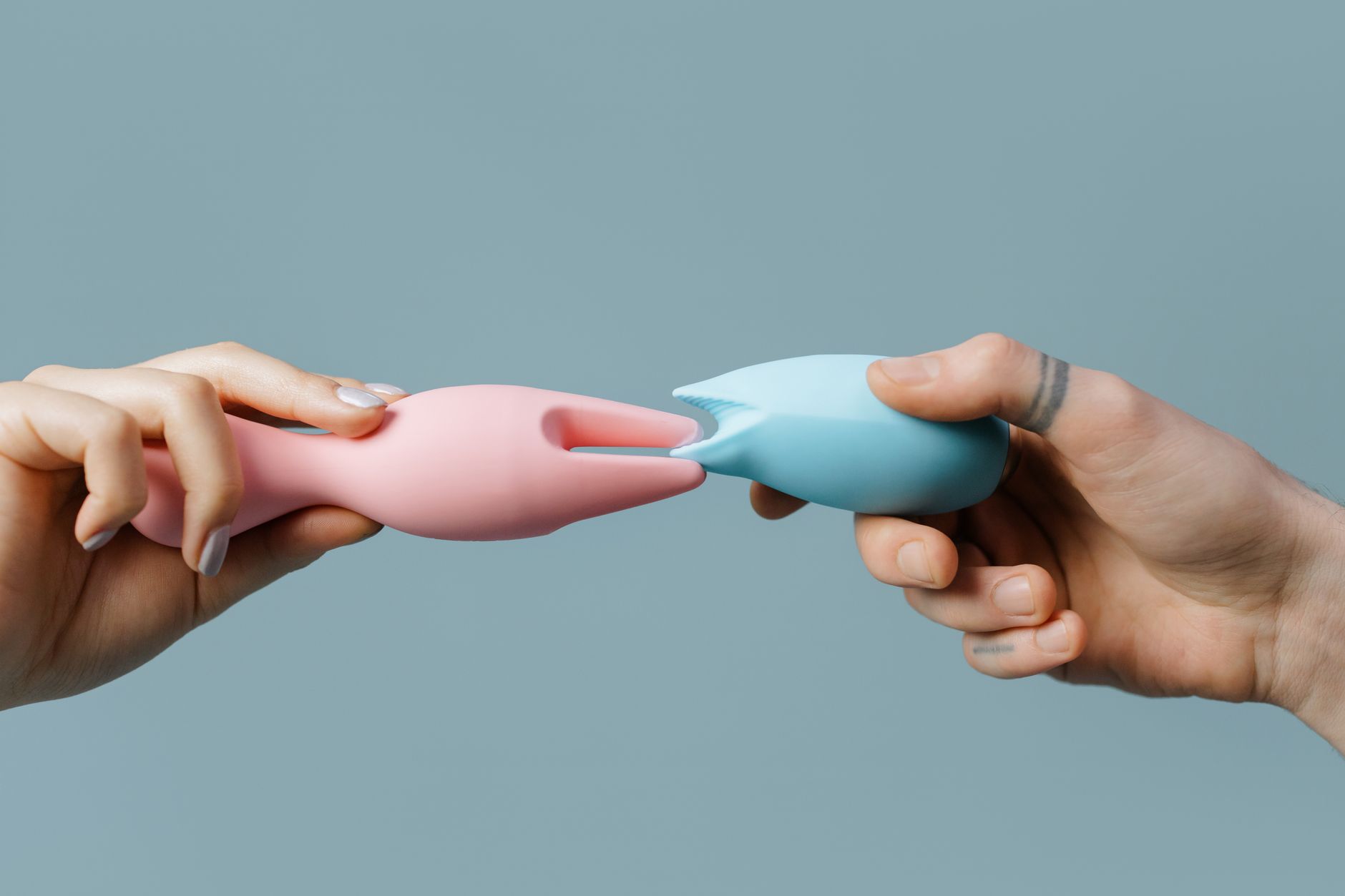
Photo by cottonbro studio on Pexels
The specific way lemon vibrators rebuild desire in long-term couples
Most couples I work with don't have a relationship problem. They have a sensation problem. They've been touching the same way for fifteen years, and the system has adapted down. Lemon suction toys bypass this because they work on completely different nerve endings than fingers or conventional vibrators.
When you introduce a lemon adult toy into a partnership that's felt stalled, something shifts: you're suddenly both focusing on sensation again instead of performance. There's no pressure to orgasm in a certain way or on a certain timeline because you're both discovering something new. This takes the pressure off, which paradoxically makes orgasm easier.
The second thing is proprioceptive reset. Your body has learned its partner's touch as a pattern your brain processes automatically. When sensation changes, you have to pay attention. Attention is what desire actually requires. The lemon vibrator forces attention.
Third, there's a permission structure that happens. By explicitly choosing a tool together, you're saying: "I want to feel something new. I want us to try something different." That permission extends beyond the toy. It opens a conversation about what else might be different, what other forms of intimacy might be worth exploring, what pleasure could look like if you stopped defaulting to the same rhythm you've always used.
How to introduce this without it feeling clinical
Don't frame it as a problem-solving tool. You're not introducing a lemon vibrator because something is broken. You're introducing it because you want to feel something you haven't felt before. That's it.
The natural entry is curiosity, not crisis. "I read something about how these work differently. Want to try it?" is enough. You don't need a long conversation beforehand about sensation systems or dopamine. You need one sentence and willingness.
Start with the lowest setting if using a suction toy. The sensation is strong even at low intensity, so ease in. Many people in midlife relationships, particularly if they've had limited toy experience, assume they need to jump straight to high intensity. You don't. You're not trying to shock your system. You're trying to wake it up.
Have your partner involved in some capacity, even if it's just being present. This isn't about the toy replacing them. It's about you both exploring sensation together. Some couples prefer one partner to control the toy. Others prefer to take turns. Find the version that feels collaborative.
The emotional piece that makes the physical work
Here's what I see fail in midlife reboots: couples introduce a tool, it feels good physically, but they still don't talk about pleasure. The tool becomes another thing you do in silence, and within weeks, it's back in a drawer.
What works is tying sensation back to conversation. "How did that feel?" "Do you want to try that again?" "What else should we explore?" These tiny conversations rewire the partnership more than any single tool can.
The second emotional piece is reframing desire. Most long-term couples think desire should be spontaneous, always there, requiring no effort. That's not how desire works. Desire is built through attention and novelty. A lemon clitoral vibrator is a permission structure to pay attention again.
The third piece is patience with your own body. If you've spent years in autopilot, your nervous system won't wake up on the first try. That's normal. It takes three to five experiences with new sensation before your body actually registers it as novel and your brain releases the dopamine hit. Don't expect transformation from one session. Expect rediscovery over time.
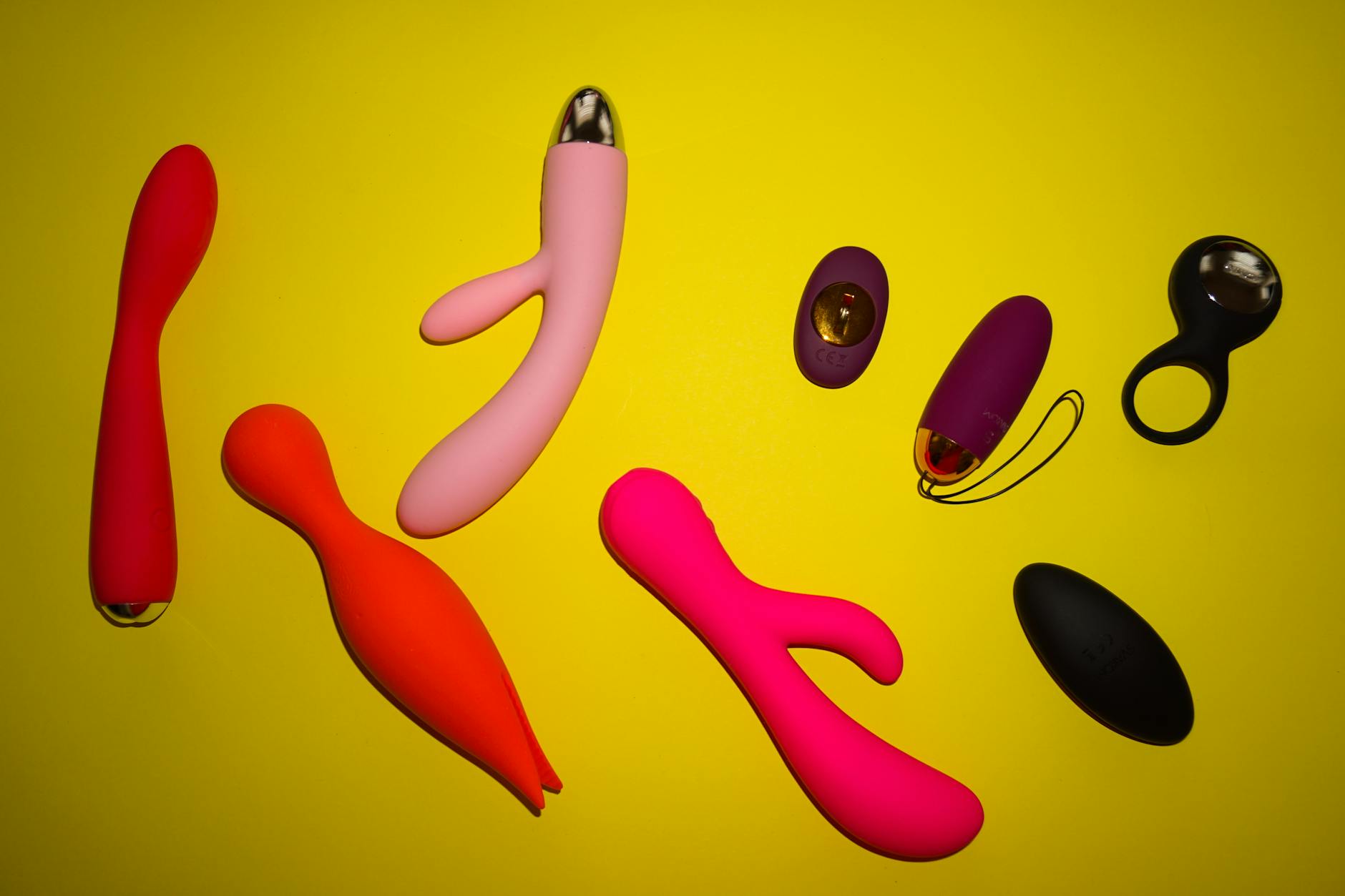
Photo by FounderTips on Pexels
What to actually expect from lemon suction technology
Lemon vibrators work through suction and pulsing, which is mechanically different from traditional vibration. This difference is the whole point. Your clitoris has adapted to the same touch pattern for years. Suction recruits different nerve clusters and creates a sensation that feels fuller and more diffuse.
Expect the sensation to feel stronger than you anticipated, even at lower settings. Suction technology is efficient. Expect to need lubrication, even if you typically don't. The suction works better with a barrier. Expect the first few sessions to feel novel but not necessarily explosive. Your nervous system needs time to integrate new sensation and start releasing dopamine in response.
Don't expect it to solve relationship problems that exist outside the bedroom. If you're exhausted, resentful, or emotionally distant from your partner, a toy won't fix that. But if your relationship is solid and desire has just flatlined, a lemon vibrator addresses the sensory part of that flatness directly.
Why this works better in midlife than any other phase
By midlife, you know your body. You know what doesn't work. You know what you actually want rather than what you think you should want. You're also less likely to be self-conscious about trying something new, which is huge for pleasure. Shame kills arousal. Midlife partnerships tend to have less shame and more pragmatism, which is actually ideal for sensation play.
You also have more context. You've been together long enough to know this person, to feel safe, to understand that novelty isn't threatening. A lemon vibrator isn't a suggestion that your partner isn't enough. It's a tool you're both choosing to explore. By midlife, most couples can understand that distinction.
The science also shifts. Testosterone production decreases gradually across adulthood, which means novelty and stimulation matter more for desire activation. You can't coast on spontaneous desire the way you might have at twenty-five. You have to build it. A lemon clitoral vibrator is one concrete way to build it back.
Common questions when starting out
Should we talk about it first, or just try it?
Talk first. Even a thirty-second conversation helps. "I want to try something new" is enough. You don't need a full negotiation. You need acknowledgment that you're both choosing this.
What if my partner feels threatened by a toy?
That conversation is separate from the toy. You're talking about whether they feel insecure about inadequacy, whether they think pleasure should be spontaneous, whether they have shame around sex toys in general. These are real conversations that matter. If your partner is uncomfortable, start there, not with the tool.
How often should we use it?
As often as you want. There's no rule. Some couples use it every time. Some use it occasionally to reignite novelty. The point isn't frequency. It's intention.
Can I use a lemon vibrator alone if my partner isn't interested yet?
Absolutely. Solo exploration with a new sensation can actually help you then invite your partner later. "This felt amazing, I want you to see" is a different and often more compelling invitation than "we should try this."
Will my body adapt to this the way it adapted to fingers?
Eventually, maybe. But you can switch up patterns, intensities, and techniques to maintain novelty. Suction technology is also mechanically different enough that adaptation is slower than it is with traditional vibration.
The actual reset that happens
What I've observed in couples who introduce lemon vibrators during midlife reboots is that the novelty isn't just about sensation. It's permission. Permission to care about pleasure again. Permission to be curious about your own body. Permission to try something different.
The physical sensation matters. The neural pathway activation matters. The dopamine hit matters. But what actually rebuilds desire is the couple deciding together that pleasure is worth prioritizing again.
A lemon clitoral vibrator is a tangible way to make that decision real. It says: "We're going to pay attention to sensation. We're going to try something new. We're going to do this together."
That's what actually restarts the system. The tool is just the vehicle. The real work is the choice to make desire matter again.
If you're in a long-term partnership that's felt stuck, if desire has flatlined and you're not sure how to rebuild it, start here. Not with a therapist conversation, though that helps. Not with a forced date night, though that's good too. Start with curiosity. Start with novelty. Start with something that forces your nervous system to pay attention.
Your body remembers how to want. It just needs a reason to tune back in.
FAQ
How long does it take to feel a difference in desire after introducing a lemon vibrator?
Most couples notice increased novelty and attention within the first session. The actual dopamine-driven desire shift typically takes three to five sessions of consistent use. Your nervous system needs time to register new sensation as arousal-activating rather than just novel. Patience matters here. Expect two to three weeks of regular exploration before you notice your baseline desire starting to increase.
Can a lemon vibrator help if my partner and I have stopped having sex entirely?
A lemon clitoral vibrator can help restart physical intimacy, but it's not a substitute for addressing why sex stopped. If you've avoided sex due to pain, shame, resentment, or disconnection, those need attention too. A vibrator removes one barrier (sensation flatness) but not all barriers. Use it as part of a broader conversation, not instead of one.
Is using a toy with a partner different from using one alone?
Yes. Partnered use reintroduces collaborative pleasure and attention, which is often what midlife couples have lost. Solo exploration helps you discover what feels good, which is valuable information. They serve different purposes. Both are useful in a reboot.
What if I've never used a sex toy before and I'm nervous?
Start alone first. Get comfortable with the sensation, the settings, the controls. Then, once you know what you enjoy, you can invite your partner in. Nervousness usually comes from unfamiliarity, not from anything being wrong with the experience itself. Give yourself time to acclimate before adding the relationship dynamic.
Does using a lemon vibrator mean something is wrong with our relationship?
No. It means you're being intentional about pleasure. It means you've noticed desire has flatlined and you want to rebuild it. That's relationship strength, not weakness. Couples who ignore pleasure decline often do so because they're pretending nothing is wrong. You're choosing to fix it.
How do I talk to my partner about this if we haven't discussed sex toys before?
Keep it simple. "I've been thinking about trying something new for pleasure. Would you be interested in exploring that together?" You don't need to make a big presentation. You need curiosity and an invitation. If they say no, ask what they're uncomfortable with. If they say yes, start exploring.