
Let's name what's actually happening
If your clitoris has felt muted, numb, or distant for years, you're not broken. You're experiencing what I call nerve dormancy. The sensation is still technically there. The neural pathways still exist. But the signal has weakened to the point where ordinary touch barely registers.
This is different from temporary sensitivity fluctuation. This is the kind of reduction that makes you wonder if pleasure is just something that happened to you once, not something you'll experience again.
Why chronic reduced sensitivity develops
Three main routes lead here, and they often overlap.
Chronic stimulation fatigue happens when the same tool, same pressure, same pattern hits the same nerves day after day for years. Your nervous system adapts. Nerves stop firing as readily. It's not laziness. It's your body's way of preventing overstimulation. The problem is that adaptation tends to be sticky. Once your system has downregulated, it doesn't automatically spring back.
Hormonal quieting shows up in people on long-term birth control, people in early perimenopause, or people managing stress-related cortisol elevation. Hormones control blood flow to genital tissue. Less blood flow means less sensation. Less sensation means less signal reaching your brain. Over years, this can feel like permanent reduction.
Emotional distance is the third layer. When pleasure becomes routine, when sex becomes obligation, when you stop expecting to feel much, your brain literally down-prioritizes genital sensation. This isn't psychology dressed up as neurology. This is your nervous system being efficient. Why send full sensation signals to a place you've stopped attending to emotionally?

Photo by FounderTips on Pexels
What lemon vibrators do differently
A lemon clitoral vibrator like the Lem operates on suction and air pulse technology, not traditional vibration. This matters for desensitized tissue because suction activates different nerve endings than friction or direct vibration does.
When your clitoris has adapted to one type of stimulation for years, switching the sensation pattern forces your nervous system to reorient. You're not asking the same tired nerve pathways to fire harder. You're activating adjacent neural real estate that's been quiet.
The air-pulse pattern also creates a rhythmic pressure wave rather than constant vibration. This intermittent signal is more likely to register with dormant nerves than steady stimulation, which your system has learned to tune out.
The rebuild protocol: three phases
Phase One: The pause pattern (weeks one to three).
Start at intensity setting one. Spend 20 minutes once every two days (not daily) applying the Lem. Here's the critical part: use it for 30 seconds, then stop completely for 60 seconds. Repeat. This on-off pattern interrupts the adaptation cycle. Your nervous system can't habituate to stimulation that keeps disappearing.
You're aiming for curiosity here, not orgasm. Most people in this phase report feeling almost nothing. That's expected. You're sending weak signals to nerves that have been sleeping. The goal is consistency, not intensity.
Phase Two: The duration extension (weeks four to eight).
Stay on setting one, but shift the pattern. Use the Lem for 45 seconds, pause for 45 seconds. Do this for 25 minutes every other day. By now, some people start noticing texture returning. A slight warmth. A vague sense of engagement.
Don't upgrade to setting two yet. Patience here prevents re-adaptation. You're building a new baseline, not racing back to where you were.
Phase Three: The layered approach (weeks nine onward).
Introduce variation. One session use setting two for 15 minutes with no pattern breaks. The next session return to setting one with pause patterns. Then try setting two for a full 30 minutes. By mixing intensity and duration, you're keeping your nervous system engaged with novelty instead of allowing it to settle into a new routine.
Many people report genuine sensation returning somewhere in week six to twelve. For others, it takes longer. The timeline depends on how long you've been in reduced sensitivity territory.
Why consistency beats intensity
The temptation is to turn the Lem up to maximum and hope that jolts feeling back. This backfires almost every time. High-intensity stimulation on desensitized tissue feels like pressure but not pleasure. Your brain learns that the tool is unpleasant, and you avoid it.
Low-intensity, consistent engagement with novel patterns does something different. It says to your nervous system: "We're not asking you to fire at maximum. We're asking you to wake up." That's a conversation your body is actually willing to have.
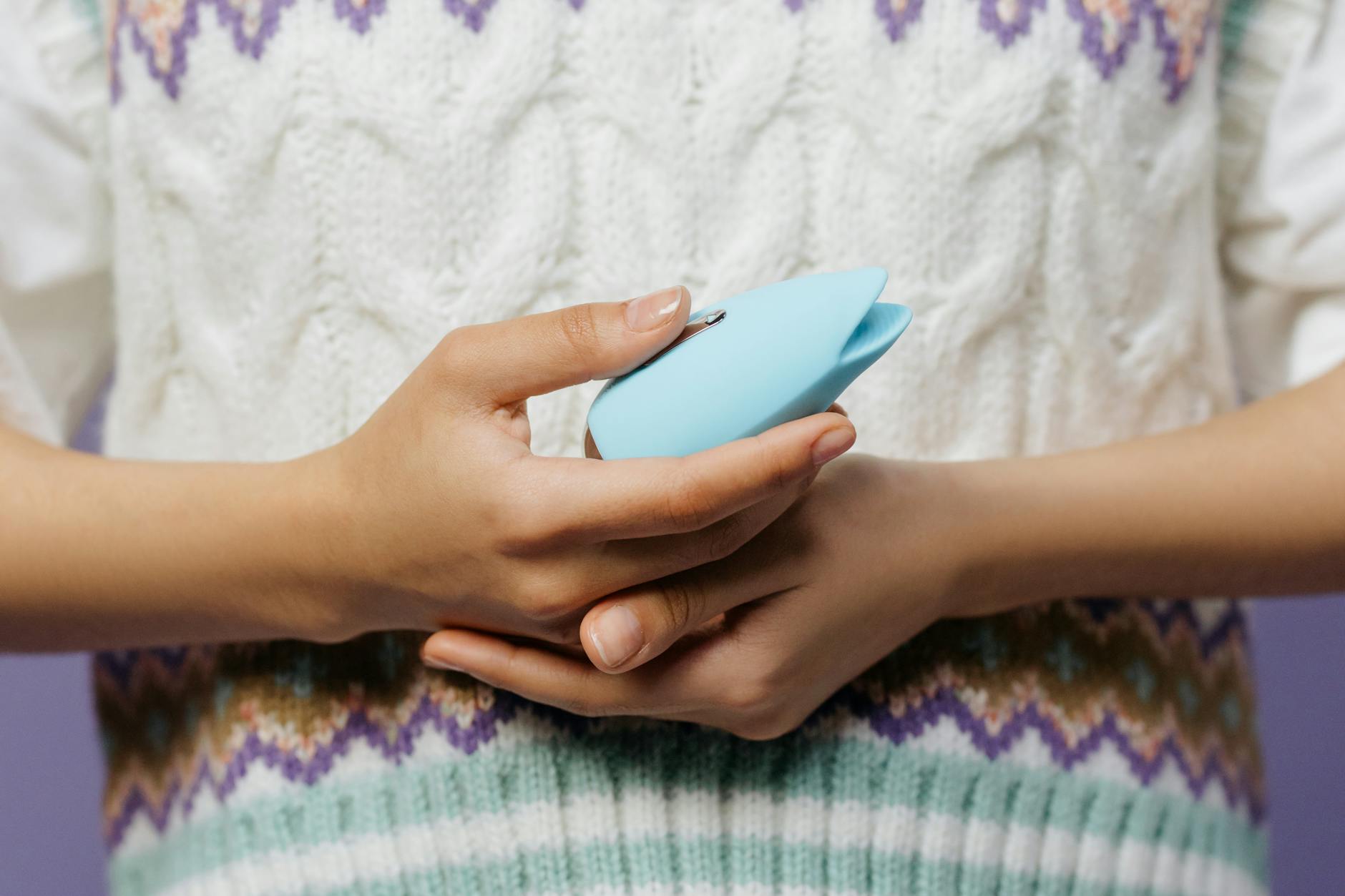
Photo by cottonbro studio on Pexels
The partner piece
If you're doing this rebuild with a partner, the conversation matters as much as the tool. You're essentially telling your partner: "I need to spend time with myself rebuilding this, and it might look unsexy for a while." That honesty prevents resentment and keeps your partner from interpreting the rebuild process as rejection.
Many couples find that after the person with desensitized sensation rebuilds baseline feeling, partnered sex becomes genuinely different. There's actual sensation to build on. Desire has territory to live in again. It's not just duty or habit.
You might also explore whether the lemon sucker sensations feel good to you in a partnered context. Some people find that their partner is relieved to have an actual tool in the conversation, something concrete rather than vague reassurance.
Common obstacles and how to move through them
Impatience. You spent years in reduced sensitivity. Rebuilding takes weeks, sometimes months. If you jump to setting five after three sessions, you'll re-adapt within days and end up right back where you started. Boring consistency wins.
Expectation of immediate pleasure. Early-phase sensation often doesn't feel like "pleasure." It feels like awareness. A slight electrical hum. A sense of presence in tissue that felt gone. This is good data. It means the pathway is waking up.
Stopping when you don't feel something. People often interpret the absence of sensation in week two as "this isn't working" and quit. The process is actually working. Your nervous system is recalibrating. Stopping interrupts that process. Staying with it matters.
Mixing too many variables. Don't change intensity, duration, pattern, and frequency all at once. Shift one variable at a time. That way you actually know what's creating change instead of guessing.
When to see a specialist
If you're six months into the rebuild protocol and sensation still hasn't shifted at all, check in with a gynecologist who has training in sexual function. Reduced sensation can sometimes indicate low-level nerve damage, hormonal deficiency that requires treatment, or circulatory issues. Most of the time it doesn't. But it's worth ruling out.
If antidepressants are the culprit, a psychiatrist can sometimes adjust your regimen or add an augmenting medication. That's a different fix than the rebuild protocol, but knowing the cause changes the approach.
FAQ: Rebuilding sensation with lemon vibrators
How long does it actually take to feel sensation return?
For most people, initial signs show up between week six and week ten. Some people take three to four months. A few take longer. Variables include how long you've been desensitized (longer baseline means slower rebuild), your baseline hormonal health, stress levels, and whether you stick to the protocol or keep adjusting it. Consistency beats speed.
Can I use a regular vibrator instead of a lemon clitoral vibrator?
You can, but the lemon sucker design has advantages for this specific situation. The air-pulse pattern activates different nerve endings than friction-based vibration. That novelty is part of what makes the rebuild work. That said, any device you haven't used regularly for years could work in a pinch. The suction design just gives you a better shot.
What if sensation comes back but feels different than it used to?
That's normal and usually good. Nerves that have been quiet sometimes rewire slightly. You might find your most sensitive spot has shifted a millimeter. Your orgasm pattern might feel different. Pleasure often comes back in a new shape. That's not failure. That's your body being honest about what actually feels good now.
Can I do this rebuild protocol with a partner touching me at the same time?
Not in the early phases. You need isolated signal. Once you're in phase three and sensation is more robust, partnered touch during the Lem use can feel amazing. But the early rebuild works better solo. Your nervous system has less competing input to process.
What if I get bored using the Lem every other day for months?
You can mix in other tools or manually stimulation between Lem sessions, but keep the Lem sessions consistent and separate. Think of Lem time as maintenance. Think of other exploration as supplemental. The boring consistency is actually the point. It's not supposed to be thrilling right now. It's supposed to be reliable.
Is reduced sensation always reversible?
Most of the time, yes. But the longer you've been desensitized and the more structural factors involved (nerve damage, advanced circulatory issues), the slower or more incomplete the return can be. This isn't doom. Most people who stick with the rebuild protocol experience genuine sensation shifts. They just need to let the timeline be what it is.
The bottom line
Reduced clitoral sensitivity that's lasted years isn't a life sentence. It's an adaptation your nervous system made. Adaptations can shift, but they shift on their own timeline, not yours. A lemon clitoral vibrator using the Lem's air-pulse technology gives you a tool that speaks to dormant nerve pathways in their language, not a language they've learned to ignore.
The rebuild is boring and slow. It's also one of the most reliable ways to coax sensation back online. Your pleasure isn't behind you. It's just quieter than it used to be. Sometimes all it needs is the right kind of consistent attention.
Ready to start? Grab your Lem, clear your schedule for 20 minutes every other day, and commit to the pause pattern for three weeks. You might be surprised what wakes up.
Have questions about rebuilding sensation or choosing the right intensity for your needs? Reach out to our team. We're here to help.