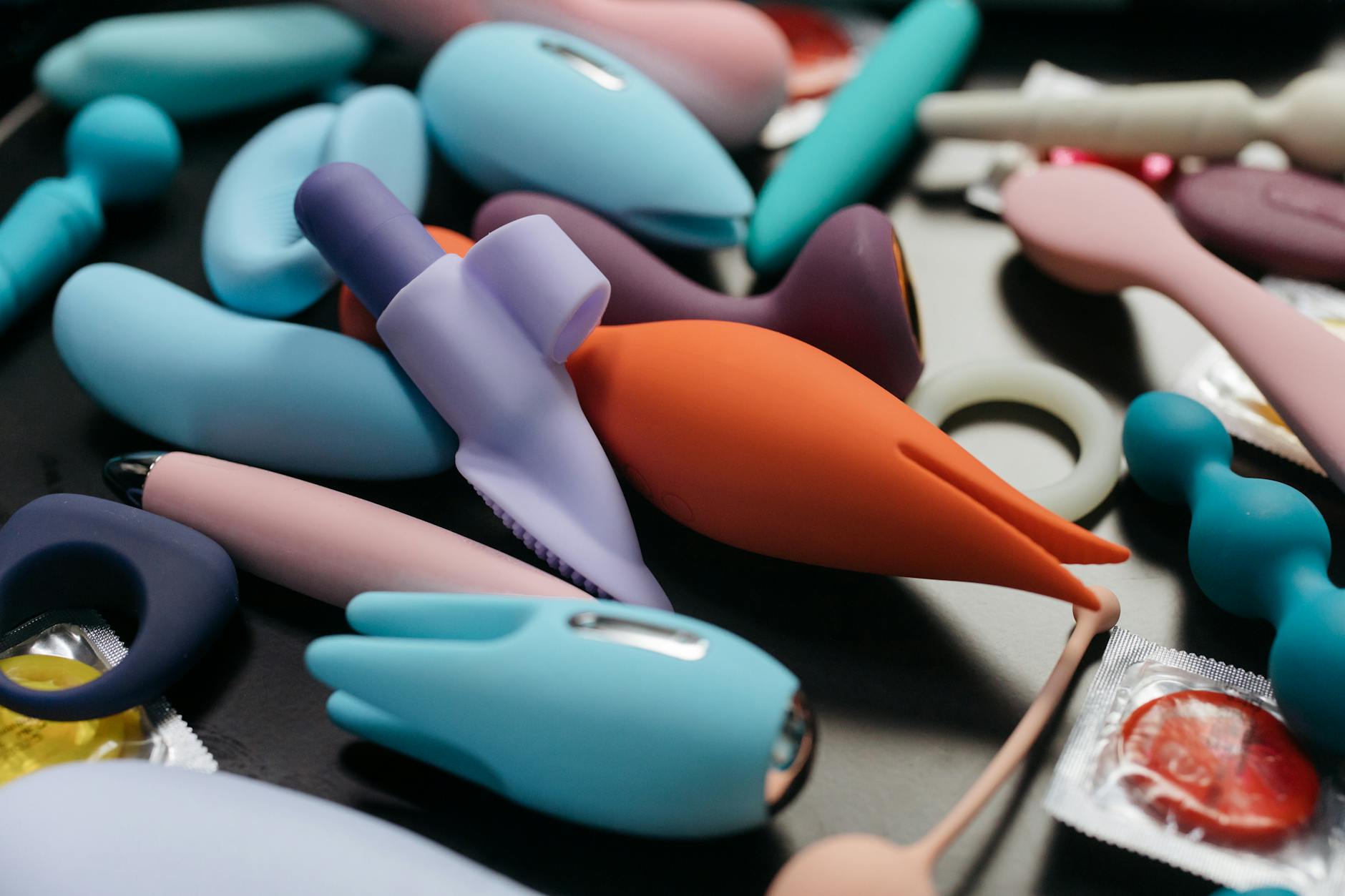
Let's start here: mismatched desire is incredibly common
I've worked with couples for decades, and here's what actually happens when one partner wants sex more than the other: resentment builds faster than anyone expects. The higher-desire partner feels rejected. The lower-desire one feels pressured. Both start keeping score. And sex becomes a source of distance instead of connection.
The thing nobody tells you is that lemon vibrators and other clitoral toys can actually help solve this. Not by forcing desire, but by creating a framework where you both win.
Why desire mismatches feel so loaded
First, the biology. Arousal is not a light switch. For many people, it's a dimmer. Some days it's ready to go at 20%. Other days it caps out at 40%, no matter what your partner does. Add work stress, hormones, caregiving load, aging, or just the weight of life, and desire tanks in ways that feel personal but aren't.
Your partner wants connection. You want to want it. Neither of you is the villain here. But when there's no middle ground, every attempt at sex becomes a negotiation. And negotiated sex is the opposite of pleasure.
How a vibrator actually changes the dynamic
Let's get specific. When you use a tool like the lemon clitoral vibrator, something shifts psychologically.
First, pleasure stops being entirely dependent on your partner. You're not waiting for arousal to build through their touch alone. You're taking an active role. That agency changes everything.
Second, the vibrator is faster and more consistent than manual stimulation. So arousal actually builds on a predictable timeline. No guessing. No performance anxiety about whether it's "working." Your body gets what it needs efficiently, and you're present instead of stressed.
Third, your partner gets to be present without being responsible for the outcome. They can kiss you, hold you, touch you in other ways, but the clitoral stimulation is handled. That removes the pressure from both sides.
Three ways to frame this conversation with your partner
None of this works if you can't talk about it first. Here's how.
Frame One: "This is for me, and you get to be part of it." Not "I need a toy because you're not enough." The message is: "I want to feel better during sex, and I want you here with me while that happens." That's collaborative, not rejecting.
Frame Two: "This is about building arousal faster, not replacing you." Explain the science. Lemon clitoral vibrators work through suction and pulsing patterns that are hard to replicate by hand. You're not upgrading partners. You're upgrading efficiency so you can actually enjoy the time together.
Frame Three: "Let's try this and see what happens." Remove the stakes. It's not a referendum on your relationship. It's an experiment. You might find it works. You might not. But you're exploring together, which is the point.
The practical setup that actually works
Here's what I recommend to couples dealing with this exact friction.
Start solo, then bring your partner in. Use the lemon vibrator on your own first. Get to know how it feels, what patterns work for you, how long it takes to build arousal. You'll feel more confident and less self-conscious when your partner is present. You'll know what you want instead of discovering it in real time.
Use it during partnered sex, not instead of. You can use a clitoral vibrator while your partner touches you elsewhere. It's not an either-or. It's an and. That distinction matters because it keeps you connected instead of in separate corners.
Build in non-sexual touch. When desire mismatches exist, sex can start feeling like an obligation. Schedule time together that isn't about sex. Massage, showering together, just talking in bed. That reconnection makes the sex less fraught when it happens.
Talk about what turns you on. Not just during sex. Talk about it before. If there's a fantasy, a scenario, a pattern that gets you going, say it. Your partner can't meet you halfway if they don't know where halfway is. And you can't expect arousal to show up if you're not even thinking about what would help.
Why lemon adult toys specifically help with this dynamic
I mention lemon vibrators because they're genuinely designed with this kind of situation in mind. The suction-based technology means they're effective at lower speeds. You don't need to crank intensity to 10 to feel something. That's huge when you're new to using toys during partnered sex, because you're not distracted by overwhelming sensation.
They're also quiet, which matters when you want to stay connected through sound and conversation instead of drowning it out. And they charge fast, so there's no fumbling with dead batteries when the moment is right.
When this is actually a bigger conversation
Here's my clinical take: if desire mismatch is the only problem, a vibrator can help. But if the lower desire is coming from resentment, untreated depression, hormonal issues, or actual relationship rupture, a toy won't fix it. It might even make it worse because now you're both focused on sex instead of the real issue.
If your partner's desire is significantly higher than yours and you've tried the framework above without improvement, talk to a couples therapist. Mismatched desire is incredibly treatable when you address what's underneath it. Sometimes it's medical. Sometimes it's emotional. Sometimes it's just incompatibility. But a good therapist can help you figure out which.
The actual outcome most couples report
When both partners approach this from a place of curiosity instead of blame, what happens is almost always positive. The lower-desire partner feels less pressured because there's a plan that actually works. The higher-desire partner gets sex more often, and it's better because their partner is actually present instead of just going through it. Resentment decreases. Connection increases.
You're not "fixing" yourself. You're both investing in an experience that works better for both of you. That's the whole point.
FAQ
What if my partner thinks using a vibrator means I don't want them?
That's a narrative, not a fact. The narrative says: toy equals replacement. The truth is more like: toy equals better sex for both of us. Your partner might need reassurance. Offer it. Use the vibrator together a few times so they see it's collaborative. And if they're still resistant after a genuine conversation, that's a different problem that a vibrator can't solve. That's about insecurity or control, and it deserves its own conversation.
How do I know which vibrator to start with if I've never used one?
Start with something designed to be intuitive. Lemon clitoral vibrators are specifically built for people new to toys because the suction patterns are effective without being overwhelming. Avoid anything super noisy or super intense on the first try. You want to focus on the sensation, not on managing the experience.
Can I use a vibrator if I have low desire to begin with?
Yes, actually. Low desire often comes from low sensation. If your body never gets stimulated in ways that actually work, desire doesn't show up because there's nothing to desire. Using a tool that generates consistent, predictable pleasure can actually build desire over time. Your brain learns what good feels like, and then you want more of it.
What if my partner has very high desire and I have none?
That's not a vibrator problem. That might be medical, hormonal, relational, or both. See a doctor first. Rule out thyroid issues, hormonal imbalances, depression, or medication side effects. Then have a real conversation with your partner about whether this relationship is sustainable long-term. You can't fix incompatibility with a toy. You can only manage it honestly.
How do I make this feel natural and not awkward?
Start small. Bring it up casually, not as a crisis intervention. "I've been thinking about trying something that might make sex better for both of us." See what they say. If they're interested, order it, let it arrive, and then use it without making it weird. The more you treat it like a normal tool, the more it becomes one.
Is there a best time to introduce this into the relationship?
When you're not in conflict. Not during a fight about desire or sex. Have the conversation when you're calm, connected, and open. And pick a time when you actually have space to explore it, not when you're stressed or rushed. The foundation matters.
The real issue is connection, and vibrators just help you get there
Desire mismatch doesn't mean your relationship is broken. It means you need a different framework. Lemon clitoral vibrators and other adult toys aren't the fix. They're the bridge. The actual fix is talking honestly, showing up for each other, and being willing to meet in the middle.
If you want to explore this further or work through the relational side of desire mismatch, reach out to us. That's what we're here for.